

 Phoenix 24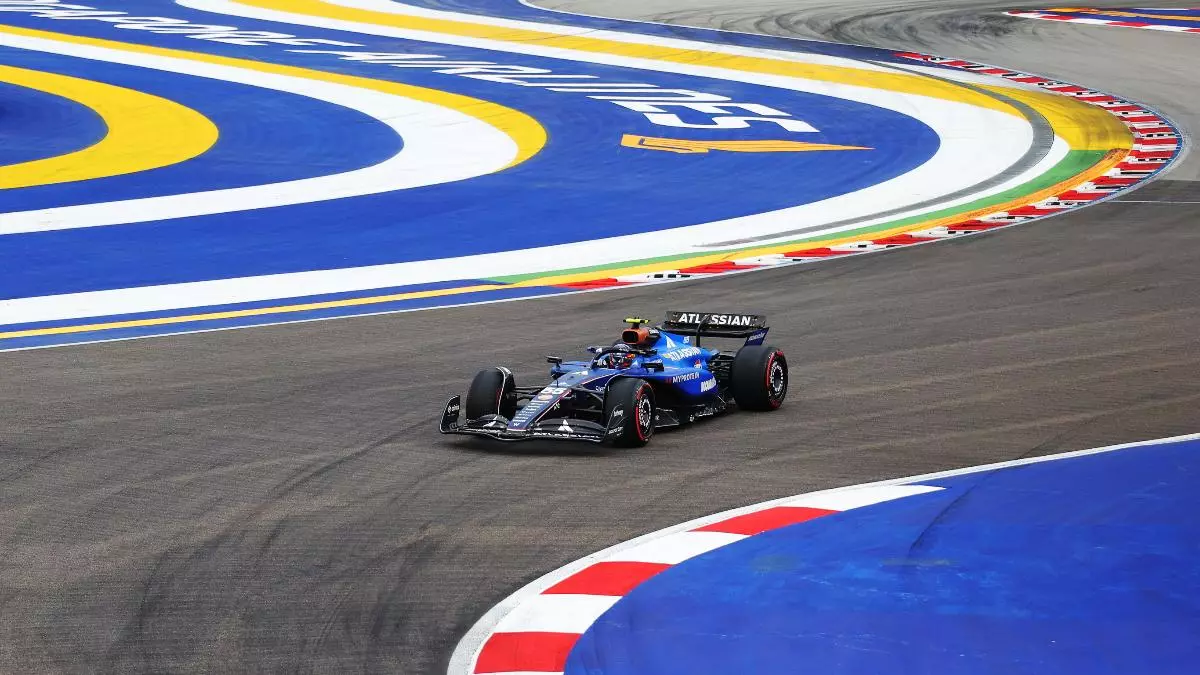
What began as a routine post-race inspection has erupted into one of the most dramatic controversies of the Formula 1 season, with multiple teams and drivers now facing the possibility of losing their hard-earned results.
Suzuka, October 2025. Formula 1 was rocked this weekend by reports that Williams Racing, along with drivers Carlos Sainz and Alexander Albon, could be disqualified from the Japanese Grand Prix after technical inspections revealed potential breaches of the FIA’s strict regulations. The news has shaken the paddock and could significantly reshape the championship picture as the season approaches its final rounds.
According to sources within the governing body, early findings from the post-race scrutineering process indicate irregularities involving minimum ride height and floor wear, two elements that are crucial for aerodynamic performance and driver safety. Even the smallest deviation from FIA specifications can lead to exclusion from the race classification. This principle, repeatedly enforced over the years, ensures that teams do not gain performance advantages beyond what the rules allow.
Williams has confirmed that its engineers are cooperating fully with the investigation, while Ferrari declined to comment on Sainz’s situation until an official decision is announced. For Albon, the potential disqualification could erase one of his best finishes of the season and deal a heavy blow to Williams’ battle for midfield positions in the Constructors’ Championship. Sainz, currently engaged in a close fight for third place in the Drivers’ standings, also stands to lose valuable points if excluded from the results.
The FIA has long taken a zero-tolerance stance on technical infringements, regardless of intent. In past seasons, teams have faced disqualification for issues as small as rear wing flexibility, underbody thickness, or plank wear. The reasoning is simple: any advantage gained outside the regulatory limits, no matter how minor, undermines the integrity of competition. That strict interpretation of the rulebook is now under the spotlight again.
The consequences of a disqualification could extend far beyond this single race. McLaren and Aston Martin, both locked in close battles in the Constructors’ standings, could benefit significantly if their rivals lose points. The Drivers’ Championship could also see dramatic shifts, particularly in the battle behind runaway leader Max Verstappen. A penalty for Sainz could allow rivals like George Russell or Lando Norris to close the gap with only a handful of races remaining.
The incident has also reignited a broader debate about the fine line between engineering innovation and regulatory compliance. Teams often push designs to the absolute edge of legality in search of performance, a practice that is both celebrated and scrutinized in Formula 1. Yet this case highlights the risks of operating so close to the limit. A component that passes all internal checks on Friday can fall foul of the regulations by Sunday due to track conditions, kerb impacts, or unforeseen wear during the race.
Team principals have expressed frustration with the situation but acknowledge that the rules must be enforced consistently. One senior engineer described the post-race inspection process as “brutal but necessary” and emphasized that teams understand the consequences of non-compliance when they choose to push the boundaries. The FIA, for its part, maintains that its enforcement of technical standards is crucial to preserving the sport’s credibility and fairness.
There is also a psychological dimension to the controversy. Disqualification would not only impact the standings but also the morale of teams and drivers heading into the final stretch of the season. A points deficit at this stage can be devastating, and recovering from a setback of this magnitude requires both strategic and technical precision. Furthermore, a ruling against a high-profile driver like Sainz could intensify scrutiny on Ferrari’s development program and its decision-making under pressure.
The paddock now awaits the stewards’ final verdict, expected within the next 48 hours. If the disqualifications are confirmed, it will mark one of the most significant regulatory decisions of the 2025 season. If the teams are cleared, the incident will still serve as a powerful reminder of how unforgiving Formula 1’s technical landscape can be. The championship, after all, is not decided solely on the track but also in the microscopic measurements and technical details that define the sport.
For now, the tension is palpable. Mechanics, engineers, strategists, and drivers all wait for an outcome that could reshape the rest of the championship fight. The stewards’ decision will determine whether Suzuka becomes a footnote in a season of dominance or a turning point in one of the most fiercely contested battles of the modern era.
Facts that do not bend. / Hechos que no se doblan.