

 Phoenix 24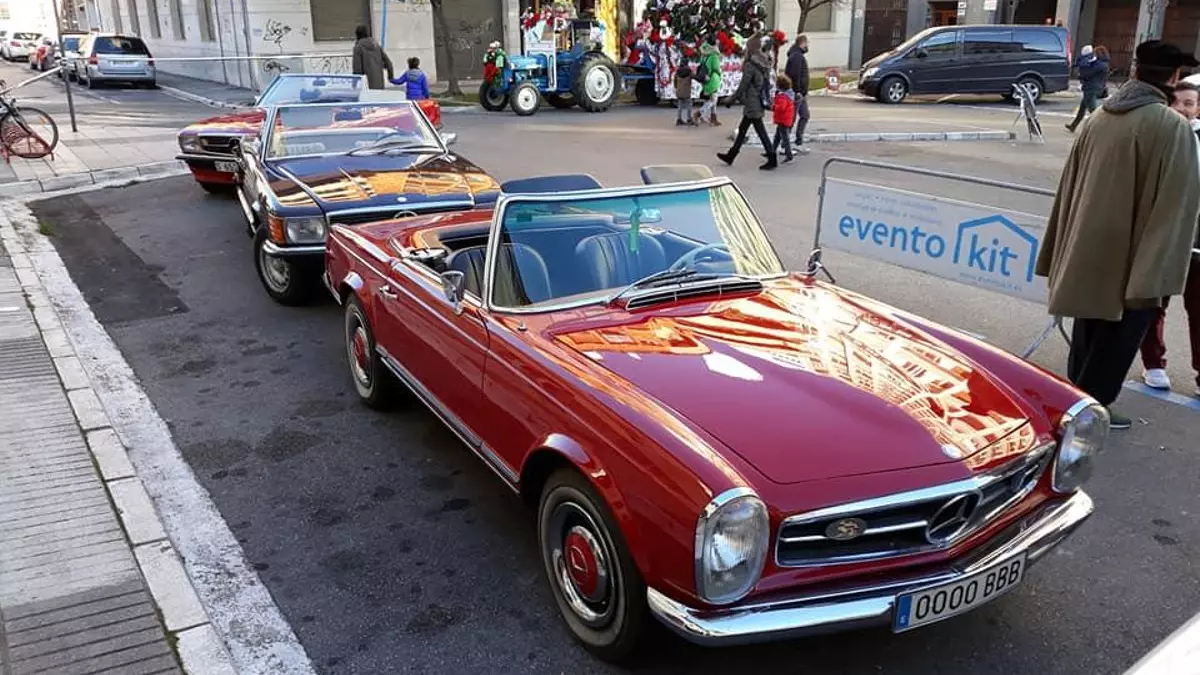
A simple sequence of digits and consonants marked a profound turning point in Spain’s automotive history, symbolizing not only a bureaucratic shift but also the modernization of a country where cars and identity have always been deeply intertwined.
Madrid, October 2025. In Spain today, more than thirty-four million vehicles circulate on its roads, each carrying a small but indispensable element of legal and cultural significance: the license plate. While most drivers rarely think twice about the numbers and letters attached to their cars, these combinations reflect over a century of change in how the state regulates mobility, organizes its territory, and connects with European standards. Among them, one stands out as a symbol of transition and historical importance: 0000 BBB, the very first license plate issued under Spain’s current registration system.
The evolution of Spanish vehicle registration mirrors the country’s social and technological transformation. The first plates appeared in 1900, using a simple provincial numeric system that remained in place until 1971. This was followed by a provincial alphanumeric model, which lasted nearly three decades. But by the late 1990s, the growing number of vehicles and the administrative complexity of regional codes made change inevitable. On September 18, 2000, the government introduced a new national system based on four numbers followed by three consonants. The reform was not purely cosmetic: it created a single, unified registry and allowed for more than eighty million possible combinations. Certain characters, such as vowels, the letter Ñ, and Q, were excluded to prevent the accidental formation of names, acronyms, or offensive words.
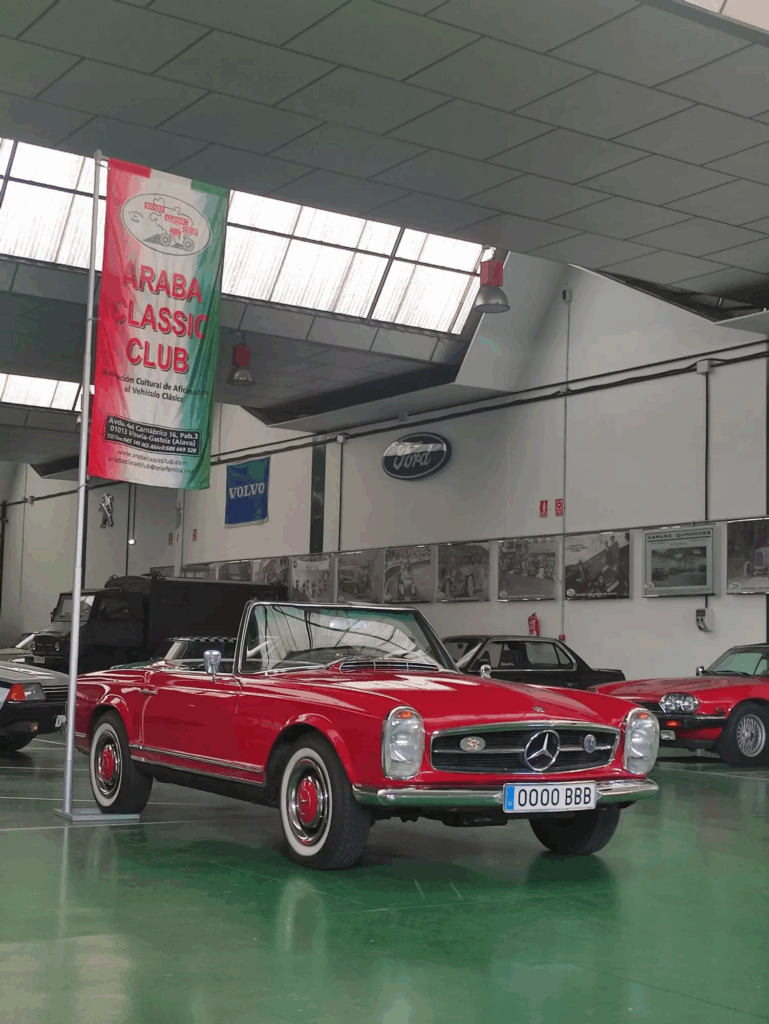
The first plate under this new system, 0000 BBB, was assigned to a striking red Mercedes-Benz 230 SL Pagoda, a two-seater classic sports car produced between 1967 and 1973. The car was registered in the province of Álava, which was chosen to receive the first batch of plates based on alphabetical order. Only 300 vehicles were part of that initial rollout, ranging from 0000 BBB to 0299 BBB. The Mercedes belonged to a member of the Araba Classic Club, and it was his son who went to the provincial traffic office to complete the paperwork and collect the new registration.
Interestingly, the vehicle was not brand new. Originally registered in León and imported from Germany, it underwent a re-registration process to adopt the new format. This change coincided with the issuance of the last plate under the previous provincial system in Vitoria, VI-8538-Y, symbolizing the transition from a fragmented, locally defined system to a modern, standardized one.

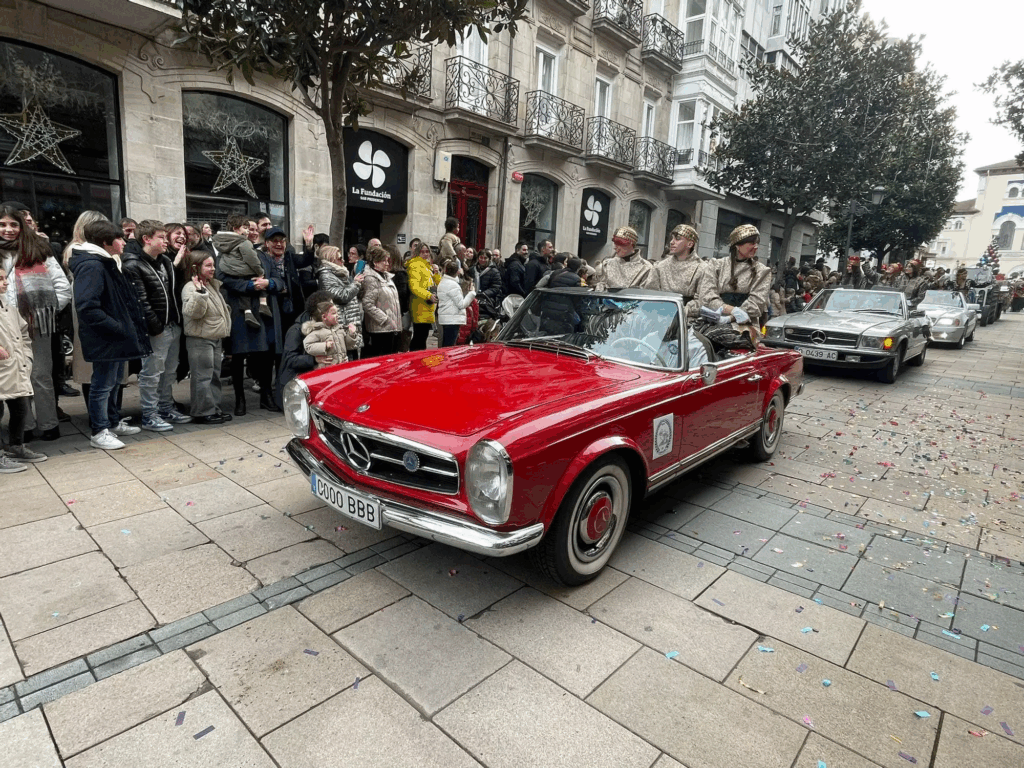
The event did not go unnoticed. The assignment of 0000 BBB attracted widespread media attention, and journalists were eager to photograph the historic plate. To satisfy the demand, a family friend — also a member of the classic car community — created a temporary mock-up until the official plate was ready. Over time, the Mercedes itself became something of a celebrity. Today, it remains a cherished part of Álava’s cultural landscape, appearing each year in the city’s Epiphany parade on January 5.
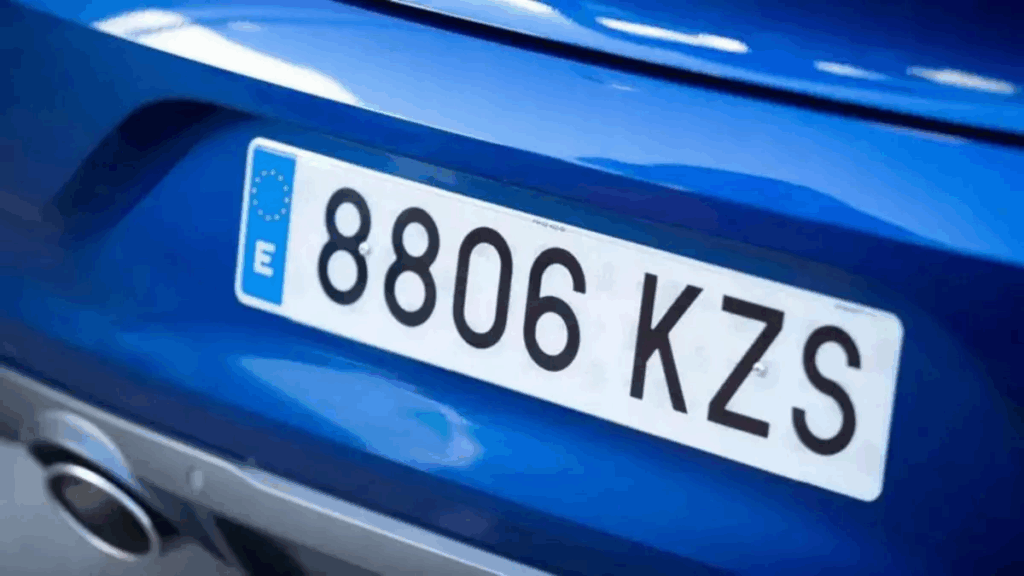
The reform of 2000 also brought Spain in line with European standards. Plates now include a blue strip on the left featuring the EU’s circle of twelve stars and the letter “E” for España. The changes went beyond aesthetics, creating a system capable of managing the country’s growing vehicle fleet efficiently and uniformly.

Spain’s current registration framework is diverse, reflecting the varied functions of its vehicles. The most common plates follow the four-digit, three-consonant pattern used by private cars. Blue plates, introduced more recently, identify taxis and ride-hailing vehicles with white lettering on a blue background. Vehicles over thirty years old and meeting specific criteria can receive historical plates beginning with the letter “H.” Temporary authorizations, meanwhile, allow vehicles awaiting permanent registration to circulate legally for limited periods.

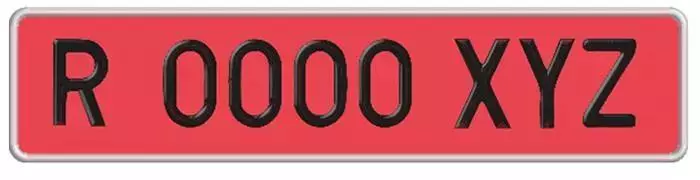
Special categories also exist for state and diplomatic vehicles. Law enforcement agencies use unique identifiers such as PGC for the Civil Guard and CNP for the National Police. Diplomatic vehicles feature red, green, yellow, or blue backgrounds with codes like CD for the diplomatic corps or OI for international organizations. Trailers weighing more than 750 kilograms are issued red plates beginning with the letter “R,” while mopeds use distinctive yellow vertical plates.

Each type of plate tells a story about the vehicle’s role and status, but none carries the historical weight of 0000 BBB. That single plate marked a decisive break with the past, signaling Spain’s embrace of a unified national system and a future of mobility governed by European integration and administrative efficiency. More than two decades later, the red Mercedes that first bore it remains a living artifact — a link between the nostalgia of classic motoring and the realities of modern transportation.
Today, 0000 BBB is more than just a registration number. It is a symbol of how something as ordinary as a license plate can reflect deeper changes in technology, law, and society. Its story is a reminder that even the smallest details — a set of numbers and letters — can become milestones in a nation’s ongoing journey toward modernization.
Beyond the news, the pattern. / Más allá de la noticia, el patrón.