

 Phoenix 24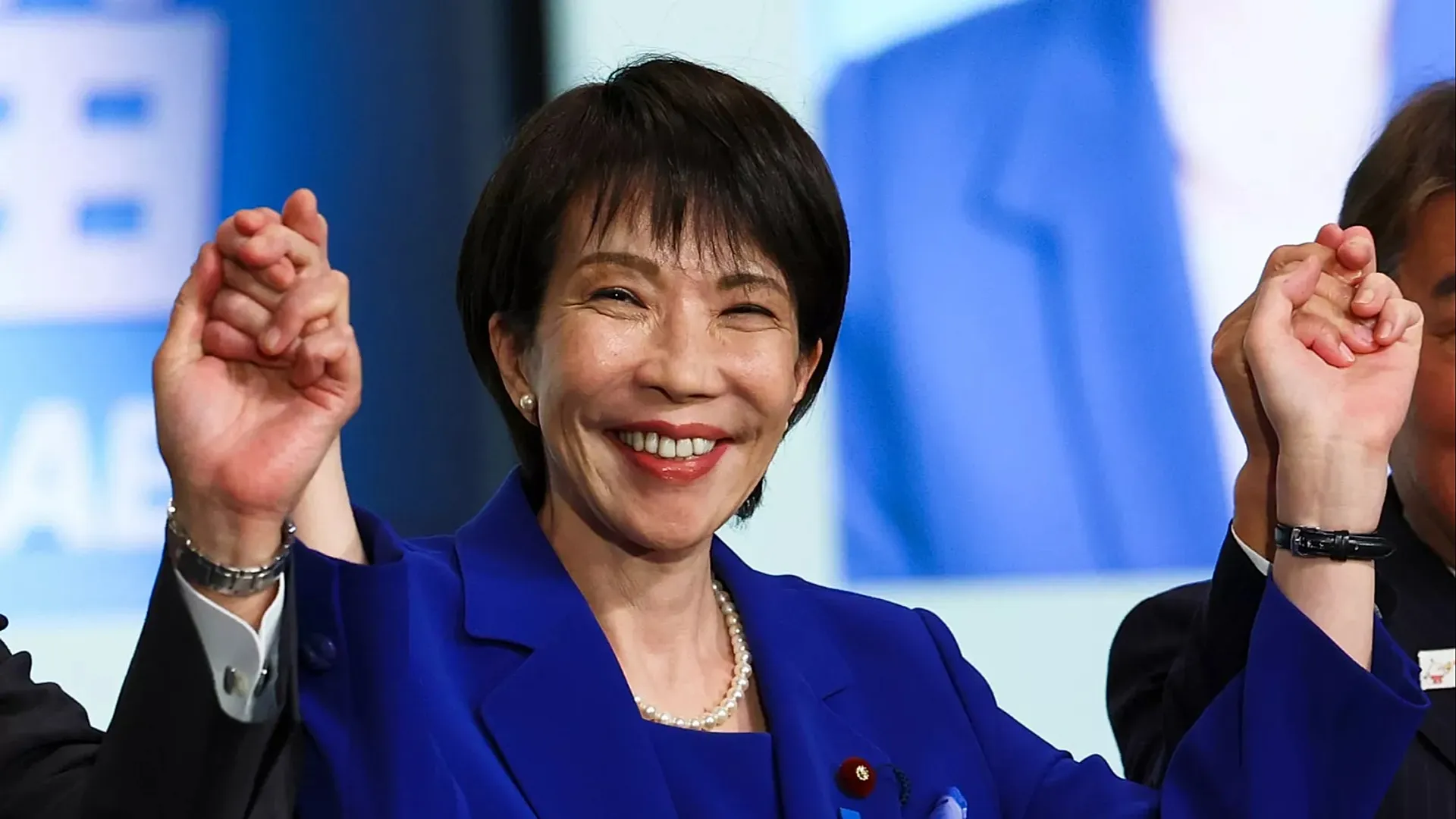
A breakthrough in Japan’s political landscape is unfolding as a prominent conservative figure prepares to shatter one of its enduring barriers.
Tokyo, October 2025. In a closely watched internal election, Sanae Takaichi was chosen as leader of Japan’s ruling Liberal Democratic Party (LDP), positioning her to become the first woman to ever serve as prime minister. Her victory over rival Shinjiro Koizumi marked a turning point in a party long dominated by male leadership, and signals a potential recalibration in Tokyo’s domestic and foreign policy agendas.
Takaichi, formerly minister of economic security, faces a fast-approaching test: the LDP holds a legislative majority in the lower house, and if she secures confirmation, she will replace the current prime minister, Shigeru Ishiba, whose tenure has faced mounting criticism after recent electoral losses. Her ascension comes at a delicate moment, with Japan navigating regional tensions over Taiwan, North Korea’s missile provocations, and pressure from Washington to increase defense commitments.
Observers note that Takaichi’s leadership signals continuity rather than rupture. Known for her conservative views on national security and constitutional revision, she is unlikely to stray sharply from current policy directions. Yet as Japan’s first female head of government, she carries symbolic weight—her leadership may open the door for more inclusive governance, or be used to legitimize a more assertive Japan on the regional stage.
The margin of her victory underscores the factional complexities within the LDP. Only 295 party representatives and a fraction of rank-and-file members participated in the vote, suggesting her mandate is strong in elite corridors but faces challenges in broader public appeal. Analysts warn she must quickly consolidate support within her party and across Japan’s fractious opposition to avoid destabilizing her nascent leadership.
Her immediate agenda will likely emphasize defense readiness, energy security, and strengthening alliances with the United States and regional partners. A summit is expected later this month involving Trump, who will attend the Asia-Pacific Economic Cooperation meeting in Seoul. Tokyo’s decision to reaffirm its defense contributions or pivot toward a more autonomous posture will be carefully scrutinized in Washington.
Yet Takaichi will also contend with structural constraints: Japan’s aging population, economic stagnation, and constitutional limits on military expansion. Public sentiment on gender equality and representation may boost her legitimacy, but any misstep could be amplified in a society unaccustomed to female leadership at the top.
If confirmed by Parliament, Takaichi’s rise would mark a historic shift in Japanese politics—an institutional crack in a long uninterrupted masculine hierarchy. How she wields that change—whether to moderate, innovate or reinforce the status quo—will define not only her legacy, but Japan’s trajectory in a fraught geopolitical era.
Phoenix24: journalism without borders. / Phoenix24: periodismo sin fronteras.