

 Phoenix 24
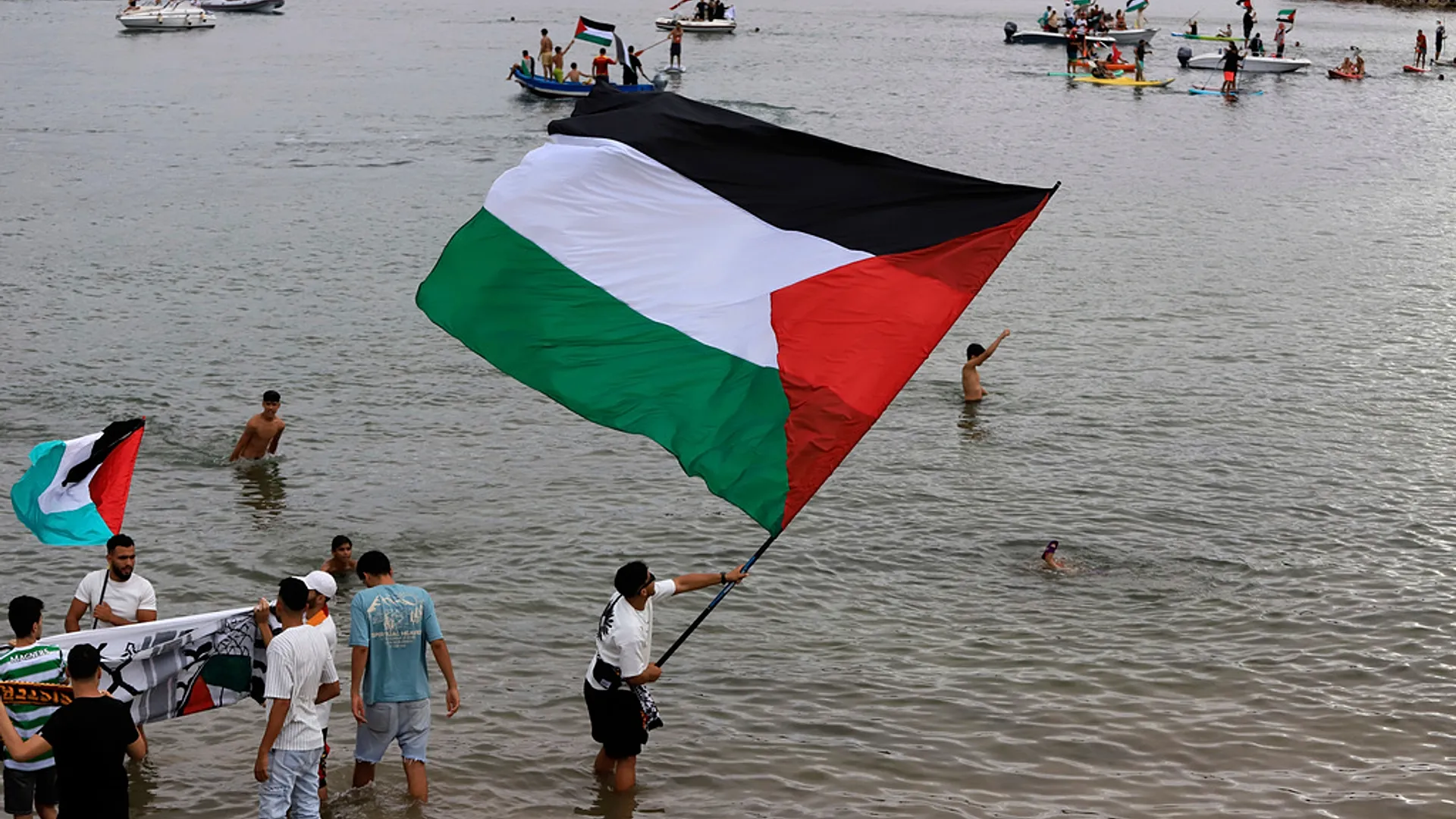
A humanitarian mission launched from Sicily defies blockades, scarred by drone strikes, driven by urgency—the sea becomes protest.
Sicily, September 2025. From the port of Sicily, eighteen vessels of the Global Sumud Flotilla set sail carrying humanitarian aid bound for Gaza, determined to continue their route while adding more ships from Greece to bypass the Israeli blockade that has shut down land crossings. The mission is not only to deliver food and essential supplies but also to establish a maritime corridor that makes assistance possible where land access is blocked.
Difficulties surfaced from the very beginning: some boats were damaged by drone attacks in Tunisia, material losses forced repairs, and security itself became a central factor of planning. Yet the organizers insist that the risk is minor compared to the humanitarian crisis Gaza is facing. On board are international activists, members of the European Parliament, and political and social figures who have joined together to ensure the voyage is not only practical but visible.
Every stop along the sea is both a logistical and ethical test. Every ship departing with provisions, every route carefully charted to avoid incidents, every crew member documenting assistance or denouncing violations transforms a humanitarian gesture into a demand for global accountability. The flotilla does not only challenge physical blockades but also diplomatic silences that, for many, prove as deadly as weapons.
The declared goal of the flotilla contrasts with official reactions, split between recognition of the right to aid, concern for the safety of the ships, and accusations of provocation or illegitimacy. Some European voices warn against illegal attacks or interference, while Israel questions the legitimacy of the mission and cautions about possible consequences. In any case, the flotilla has already succeeded in placing itself at the center of the international debate: what is at stake is far more than a shipment of supplies, it is an indictment of prolonged blockades, invisible suffering, and institutions that prefer to monitor rather than act.
For this flotilla, the sea becomes a stage where human resistance demands recognition. It is not only solidarity: it is action. It is not merely about crossing a maritime boundary, but about crossing indifference. If their ships manage to reach the Palestinian coast, they will have transformed the journey into a political act of pressure with consequences that outweigh the risks they face.
“Detrás de cada dato, hay una intención. Detrás de cada silencio, una estructura.”
“Behind every data point, there is an intention. Behind every silence, a structure.”