

 Phoenix 24
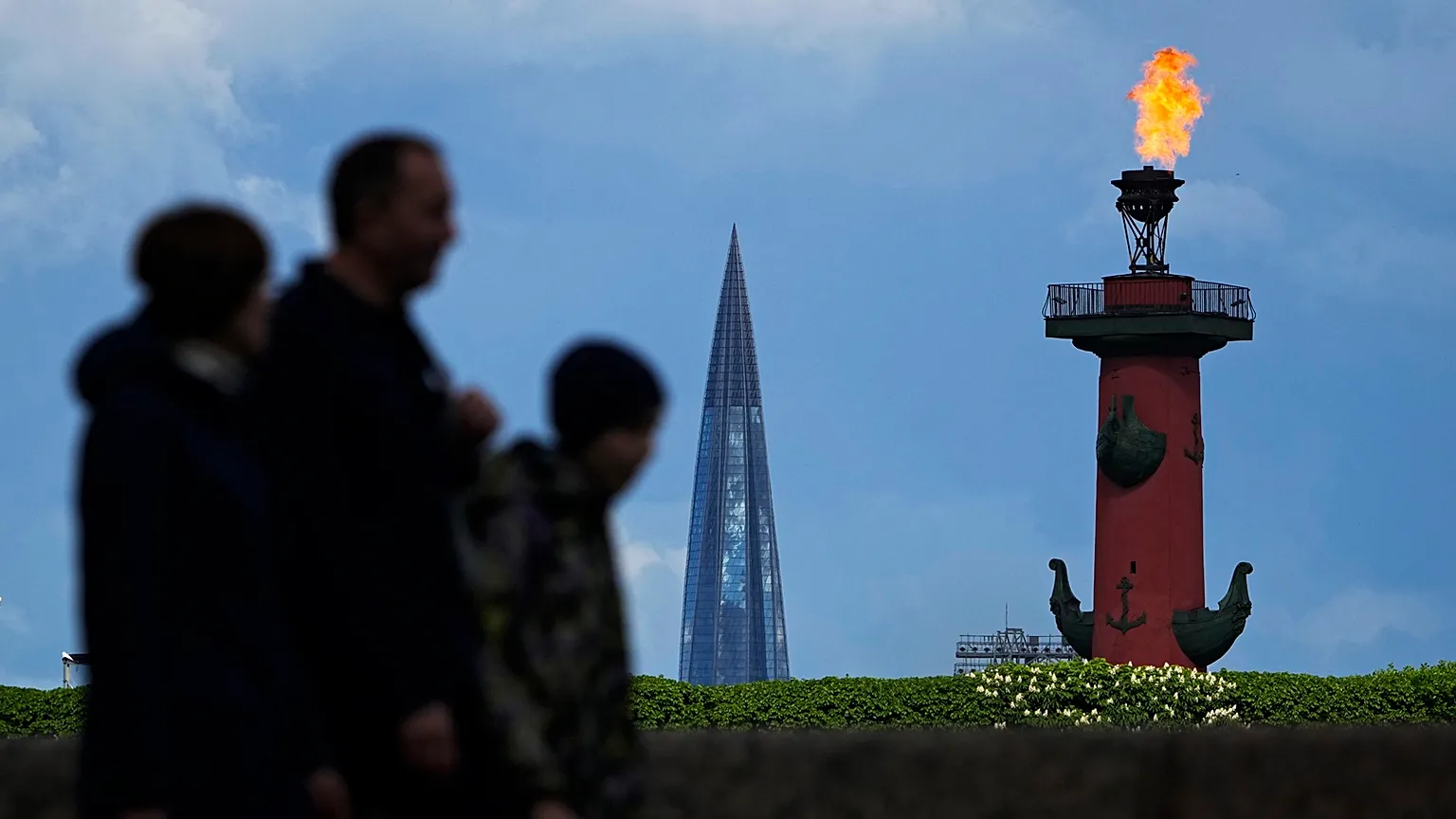
A decisive move that speeds up Europe’s break from energy dependence, Russia’s LNG is now on the blacklist and the game has changed.
Brussels, September 2025. For the first time since the war in Ukraine began more than three years ago, the European Union has imposed sanctions on Russian liquefied natural gas, marking a major escalation in its strategy to cut fossil fuel ties with Moscow. Until now, sanctions had targeted Russian oil and coal, but gas had remained relatively untouched. That barrier has now been broken.
The measure bans imports of Russian LNG, a resource still arriving in Belgium, the Netherlands, France, Spain, and Portugal. According to the European Commission’s Energy Commissioner Dan Jørgensen, this step is designed to accelerate Europe’s full removal of Russian gas, both pipeline and LNG, with the goal of a complete phase-out by the end of 2027.
The Commission, however, faces resistance. Hungary and Slovakia, neither of which rely heavily on LNG imports, have positioned themselves as vocal opponents of the embargo. Their arguments focus on national energy security, the risk of price hikes for consumers, and possible legal disputes. Unlike oil and coal sanctions, unanimity is required to enforce this ban, making the approval process politically complex.
Brussels insists that significant progress has already been made in diversifying supply chains. New LNG terminals, expanded storage, and reverse-flow capacities are designed to mitigate the shock. The message from EU leaders is that the urgency is undeniable and the time for gradual steps has passed.
Energy experts warn of ripple effects on European households and industries. Natural gas price increases could strain economies, particularly in Eastern Europe where dependence on Russian energy has historically been greater. Yet analysts stress that the cost of continuing dependency is even higher, as it undermines strategic autonomy and leaves Europe exposed to manipulation.
Moscow’s response has been predictable: condemnation, threats of countersanctions, and diplomatic pressure. Russia has retaliated in the past when other energy exports were sanctioned, and the inclusion of LNG signals that the EU is willing to escalate despite those risks.
The coming weeks will test political unity. Unanimous approval is required, and the opposition of just one member state could block the embargo. Negotiations will be intense, but European officials underline that strategic security must outweigh short-term discomfort.
This decision reshapes the energy map of Europe. It is not just a matter of diversifying suppliers, but of drawing a line that defines how far dependence on adversaries can go. For Ukraine and Eastern European capitals, it represents a powerful signal of commitment. For Brussels, it is a step that may define its credibility in the face of future crises.
“Detrás de cada dato, hay una intención. Detrás de cada silencio, una estructura.”
“Behind every data point, there is an intention. Behind every silence, a structure.”