

 Phoenix 24
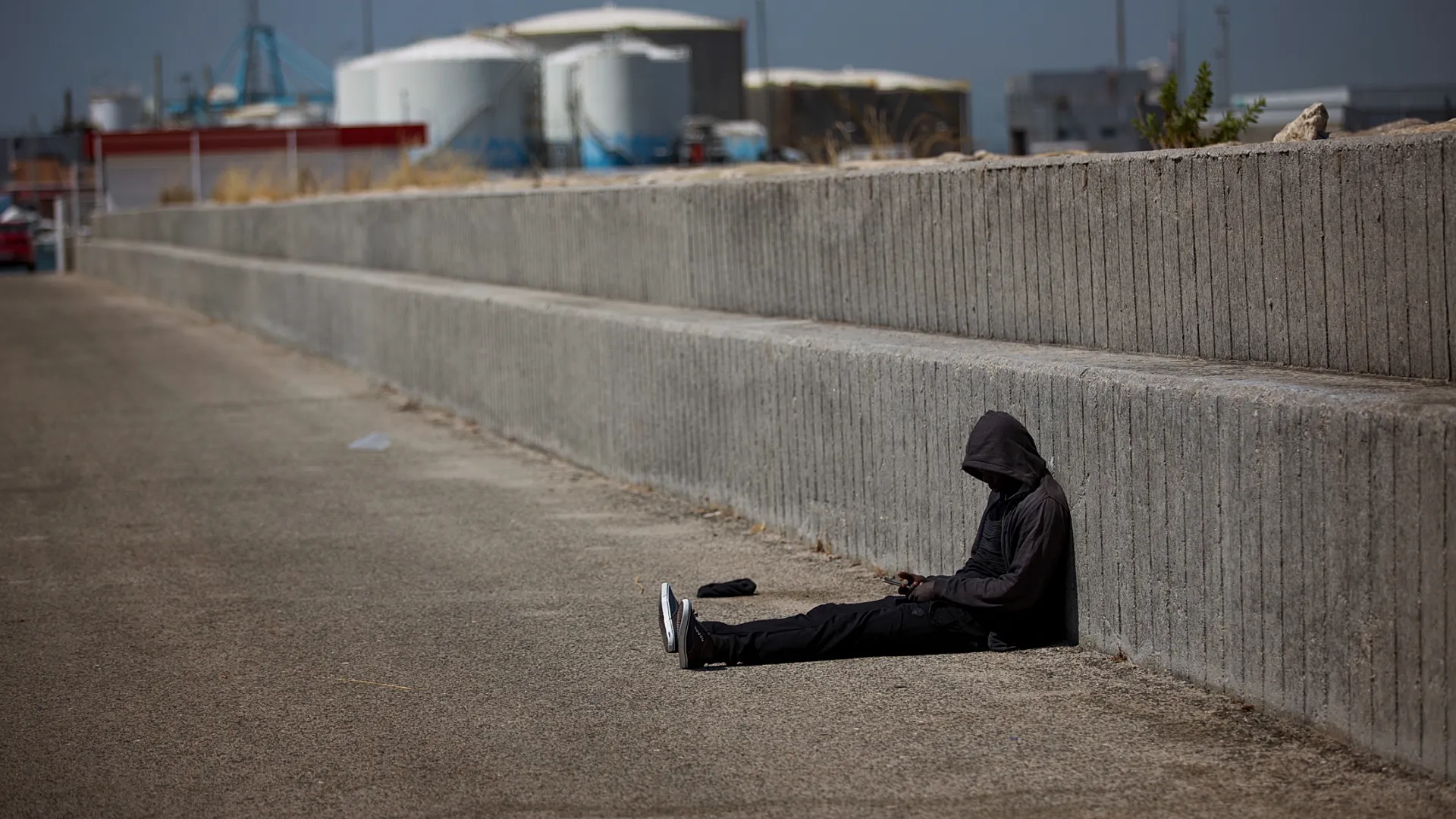
A sudden fire, a viral accusation, and a released defendant: a story that revealed how fear can be manipulated to fuel ancestral hatred.
Las Palmas, September 2025. A 20-year-old Moroccan migrant who had recently arrived in Lanzarote by boat spent 57 days in prison on Gran Canaria accused of trying to burn alive a 17-year-old Spanish girl. The allegation shocked Spain, ignited hate-filled rhetoric, and dominated headlines, yet the investigation later dismantled the distorted narrative. The initial version was built on a late-night emergency call to 112 that described an intruder, “a Moor,” in an occupied house who was “going to blow up” the building, and only at the end mentioned that “there’s a girl burned all over.”
From the start, recordings revealed anomalies. The caller had previously been involved in harassment of migrants. Security cameras captured a woman being evacuated along with a man, apparently both trying to escape from a burning building. Early medical reports spoke of severe burns and hinted at the use of flammable liquid, but these claims unraveled after the hospitalized girl gave her statement and the accused was heard in court. She said the fire was accidental and that he had tried to rescue her. Police and fire department reports ruled out intentional arn or the use of accelerants.
The young man was provisionally released, the charges of attempted homicide and intentional injury dropped. The only precautionary measure that remains is a ban on leaving Gran Canaria while the court examines whether any negligence occurred. Yet the social damage was already irreversible. On social networks and in certain media outlets, the narrative that portrayed him as an aggressor and a monster persists. Far-right politicians continued to brand him a “murderer,” amplifying the stigma.
The case extends far beyond the courtroom. It shows how a single call infused with prejudice can evolve into public condemnation, how virality and sensationalism contaminate social judgment before any official verdict. For those who arrive without papers, without roots, without support networks, one collective alarm can make the presumption of guilt outweigh the presumption of innocence.
In today’s political climate, where migration and identity are debated with high emotional charge, the story quickly became a weapon for divisive rhetoric. It was not merely a fire; it was proof of how fragile institutions can be when confronted with narratives built on fear and prejudice.
What is at stake is more than the fate of one young migrant. It is about collective truth, about how media, social networks, and political actors can distort facts at speed. The justice system corrected part of the course, but the scars remain. Every headline, every denunciation, every amplified tweet leaves behind a residue of mistrust, hate, and stigma.
“Detrás de cada dato, hay una intención. Detrás de cada silencio, una estructura.”
“Behind every data point, there is an intention. Behind every silence, a structure.”