

 Phoenix 24
The headline comparison with 630 cars is dramatic, but the underlying calculations require scrutiny.
MENLO PARK, CALIFORNIA
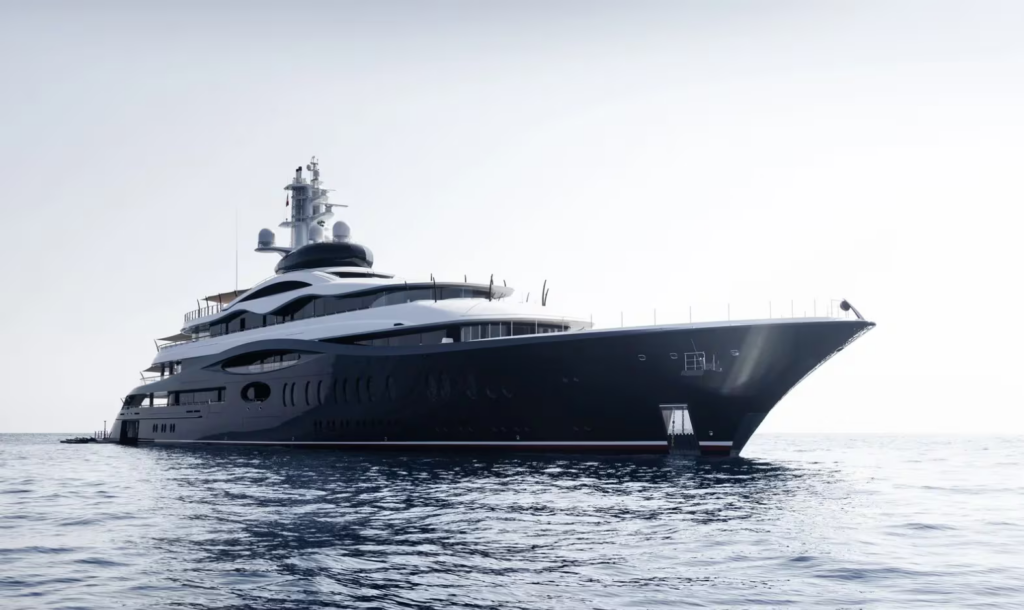
Mark Zuckerberg’s 118-metre superyacht, Launchpad, reportedly consumed more than two million litres of diesel during nine months of international travel. Estimates based on its movements place the resulting emissions at approximately 5,300 tonnes of carbon dioxide. That total is mathematically plausible because burning one litre of marine diesel releases roughly 2.6 to 2.7 kilograms of CO₂, although the figure has not been independently audited or confirmed by Zuckerberg.
Built by Dutch shipyard Feadship and delivered in 2024, the vessel can accommodate 26 guests and a crew of 49. It is powered by four large MTU diesel engines, reaches approximately 24 knots and carries more than 420,000 litres of fuel. Its reported itineraries have included the South Pacific, Norway, Greece and France, while an accompanying support vessel and helicopter may add emissions not included in the principal estimate.

The claim that Launchpad releases 40 tonnes of CO₂ per cruising hour, equivalent to 630 family cars operating simultaneously, appears questionable. A stated consumption of approximately 4,165 litres per hour would produce closer to 11 tonnes of direct CO₂ emissions, based on standard diesel conversion factors. Comparisons with cars also depend heavily on vehicle efficiency, distance, speed and whether emissions are measured per hour, kilometre or year. The 630-car figure should therefore be treated as an illustrative media estimate, not a standardized environmental measurement.
The controversy has intensified because Meta has pledged to reach net-zero emissions across its value chain by 2030. Zuckerberg’s private travel is distinct from Meta’s corporate emissions inventory, however, and the yacht’s footprint cannot automatically be attributed to the company. The contrast nevertheless raises a legitimate question about climate responsibility when business leaders advocate environmental targets while maintaining exceptionally carbon-intensive lifestyles.
Superyachts represent only a small share of global emissions, but their environmental impact is unusually concentrated. Beyond propulsion, these vessels require continuous electricity for climate control, kitchens, lighting, communications and recreational facilities. The broader debate is therefore less about one voyage than about unequal carbon consumption and whether voluntary corporate commitments can address the private emissions generated by extreme wealth.
Lo visible y lo oculto, en contexto. / The visible and the hidden, in context.