

 Mario López Ayala, PhD
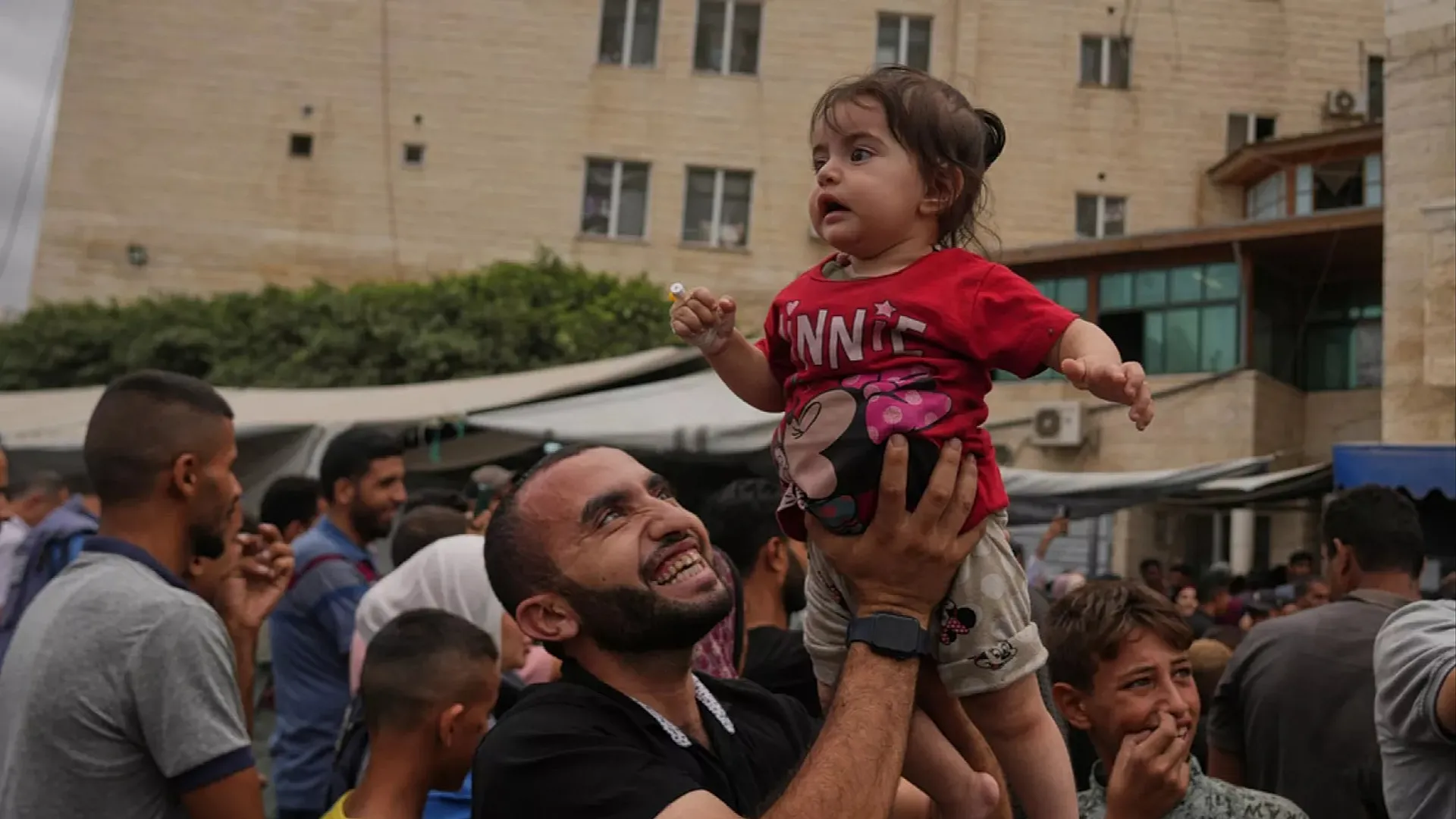
A fragile balance of power hinges on expectations and risks.
Gaza Strip, October 2025
The recently announced agreement between Israel and Hamas has triggered a scramble to interpret the real gains—and losses—for each side. While both actors claim partial victories, the true balance lies in the shadows: in reconstruction, concessions and in how third parties reinterpret their roles.
From Israel’s perspective, the agreement allows for a reframing of the October 7 attack as a strategic opportunity. It can present the outcome domestically as evidence of strength, despite the military and political costs. By consolidating regional pressure, Israel gains diplomatic cover to justify ongoing operations beyond Gaza: in Lebanon, against Hezbollah, in Yemen or vis-à-vis Iran. The accord may give Israel leverage to reassert zones of influence around the enclave and resist demands for full withdrawal.
Yet the price is steep. Domestically, the government faces fierce scrutiny from opposition and bereaved families over its handling of hostages. Every unreturned captive becomes a political and moral burden. The failure to eliminate Hamas fully undermines maximalist war aims. Meanwhile, Israel must manage its image in global institutions: accusations of excessive force, civilian harm and obstruction of aid have already triggered pressure from European capitals and international observers to impose restrictions or shift tactics.
For Hamas, the deal offers survival. Despite battlefield setbacks, the movement secures its continued existence and retains a degree of local legitimacy. The prisoner swap communicates that it still controls leverage even under siege. Hamas also forestalls proposals to expel Palestinians from Gaza or transform the enclave into a depopulated territory, maintaining its core base.
Nonetheless, the terms exact heavy costs. Hamas has lost numerous senior operatives and faces a dismantling of its infrastructure. Its internal cohesion is fragile, threatening schisms with rival groups or local dissent. The reconstruction burden may diminish its grip on governance; technocratic alternatives or external trustees may emerge. The longer aid is delayed, the more popular discontent grows.
The agreement also redistributes power beyond the two protagonists. The United States, under the Trump plan, positions itself as an arbiter, especially if it helps shape Gaza’s reconstruction and security oversight. That role may shift the balance of influence toward Washington and away from traditional regional mediators. The European Union could exploit the pause to push harder for a two-state formula; its willingness to condition aid or reprioritize ties with Tel Aviv becomes a bargaining chip. Egypt, Qatar and Jordan may emerge as essential intermediaries, reinforcing their diplomatic weight in the post-conflict period.
In the short term, the deal releases a breathing space. Humanitarian corridors can ease suffering, giving relief organizations access to devastated zones. That opens a window for rebuilding trust and leveraging soft power. But pauses in conflict do not guarantee peace. The consistency of implementation will determine whether this is a turning point or a temporary truce in a longer war.
Ultimately, the winners will be those who convert the agreement into sustainable structures of governance and reconstruction. The losers will be those who cling to maximal demands and undermine implementation from day one. In a volatile region, partial success may still carry strategic consequences far beyond Gaza’s borders.
Phoenix24: cada silencio habla / Every silence speaks