

 Phoenix 24
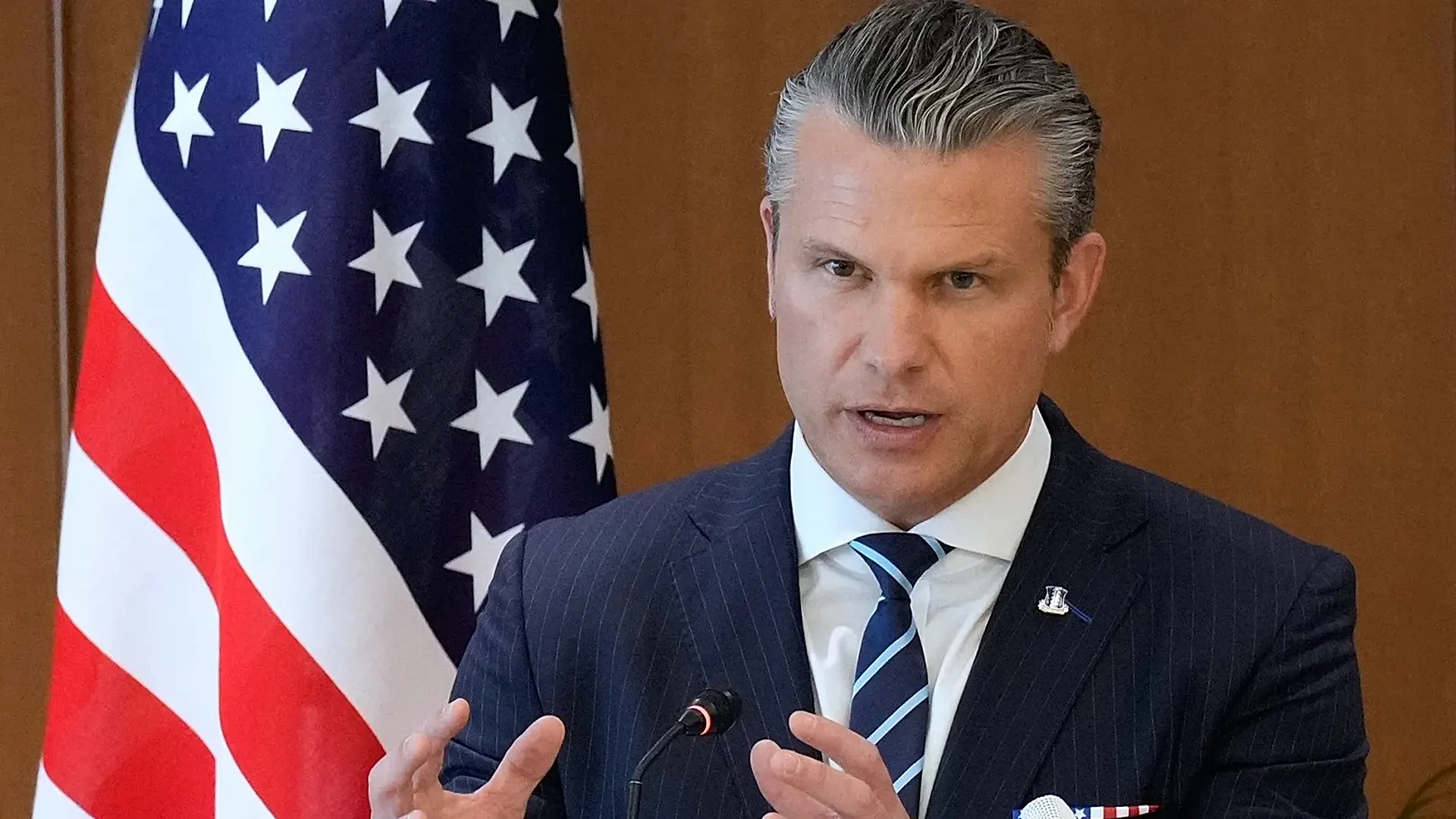
Sometimes a military withdrawal is not a reduction. It is a message.
Brussels, November 2025
The United States has begun withdrawing part of its troop contingent from Romania, a country that has become one of the most strategic points of the Eastern flank of the North Atlantic alliance since the full scale invasion of Ukraine. The announcement, confirmed by senior defense officials in Washington, involves the redeployment of a segment of a rotational brigade that has been stationed near the Black Sea. The decision sets off instant geopolitical shockwaves. The movement of troops is physical, but its impact is psychological.
Diplomats in Brussels insist that the withdrawal should not be interpreted as an abandonment of Europe. According to internal European Commission briefings, Washington communicated that the adjustment is temporary and part of a reallocation of resources. Yet the timing raises questions. It is the first significant reduction of United States boots on the ground in Romania since the buildup of the alliance presence in response to Russia’s aggression.
Analysts at the Center for Strategic and International Studies in Washington describe Romania as a logistical hinge. The bases near the Black Sea have been used to facilitate transport of equipment and humanitarian aid to Ukraine. A partial withdrawal, even if small in numbers, carries symbolic weight because it signals that Washington is recalibrating its global posture toward long term competition in the Indo Pacific. The United States expects Europe to assume more responsibility for its own defense.
In Romania, the announcement created a dual reaction. Public statements were supportive and framed as cooperation within the alliance. However, diplomats close to the matter admit that the news generated unease in internal circles. Eastern European governments interpret military presence not only as deterrence but also as political commitment. When troops leave, doubt enters.
European intelligence units warn that Russia is likely to exploit the perception of hesitation. Analysts from Europol and NATO StratCom have repeatedly documented how Moscow uses narrative warfare to portray the West as fragmented. A single reduction of personnel, magnified through propaganda, can be turned into a narrative of weakness. Deterrence is not only about how many soldiers remain. It is about perception and credibility.
The International Monetary Fund has noted that defense uncertainty affects regional economic stability. Romania has been attracting investment linked to logistics, energy infrastructure and future reconstruction projects for Ukraine. Military presence reassures investors that the region is stable. When troop numbers change, capital flows can hesitate. Markets react not to the number of soldiers, but to the signal behind them.
In Asia, the Lowy Institute observes the shift through a different lens. The reorientation toward the Indo Pacific aligns with a broader strategic redistribution. The United States sees China as the long term competitor and is prioritizing resources for that theater. From that perspective, the withdrawal in Romania is not an isolated act. It fits a pattern. Washington is preparing for competition on two fronts and expects allies to cover gaps.
Romania remains, however, one of the most strategically valuable states in the alliance. Its position on the Black Sea gives NATO surveillance reach toward Russia, Moldova and the occupied regions of Ukraine. It also enables rapid deployment toward the Caucasus. That makes even a partial withdrawal significant. Military presence is not static. It is signaling.
Defense sources in Brussels highlight a concern. Europe still lacks the logistical autonomy to replace American rapid reaction forces in the event of escalation. The European Union’s defense capability remains fragmented and depends on political consensus that is often delayed. The withdrawal underscores this dependency. Europe wants sovereignty, but relies on Washington’s hard power.
Romania continues to host allied aircraft, intelligence units and rotational battalions from several NATO countries, including France and Poland. Yet the United States remains the only ally capable of deploying large combat forces on short notice. A Romanian defense official remarked privately that reassurance is not measured in press releases but in presence.
The partial withdrawal forces Europe to face a difficult question. If the United States reduces its footprint, can the alliance maintain the same level of deterrence. The answer is complex. Militarily, NATO still maintains a robust presence. Politically, deterrence is built on perceived commitment. If perception weakens, deterrence weakens.
Security experts describe a new strategic equation. Europe must decide whether it continues depending on Washington or develops autonomous defense capabilities. Either scenario requires investment, coordination and political courage. The withdrawal becomes a catalyst. It obliges decision making. It eliminates the comfortable ambiguity that allowed Europe to postpone difficult conversations about its own security.
The world will interpret the movement of troops in one of two ways. Either as a tactical redistribution or as a strategic shift. For the Eastern flank, both interpretations matter. In geopolitics, silence is not neutral. It sends a message.
Europe has little time to decide its next move.
Phoenix24: clarity in the grey zone.
Phoenix24: claridad en la zona gris.