

 Phoenix 24
When transparency becomes a strategic signal.
Caracas, January 2026.
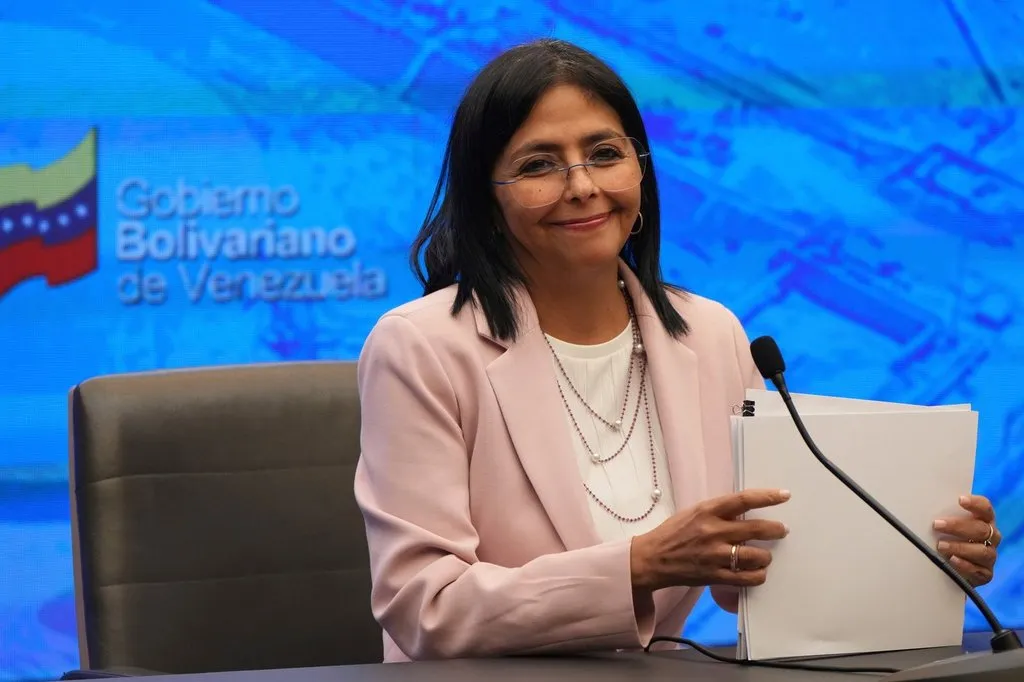
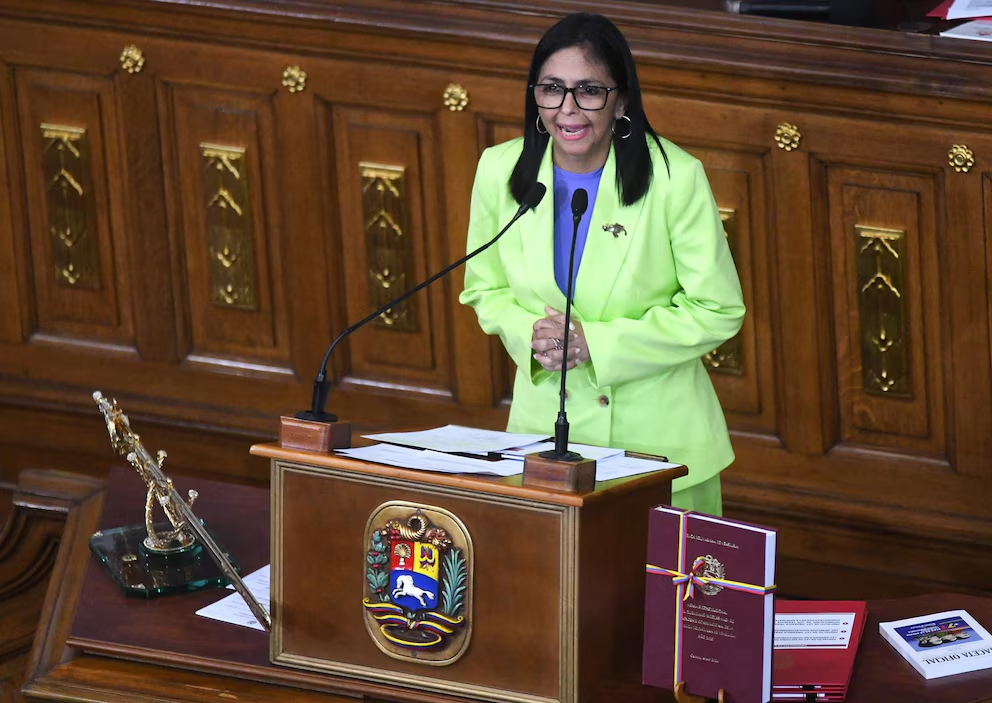
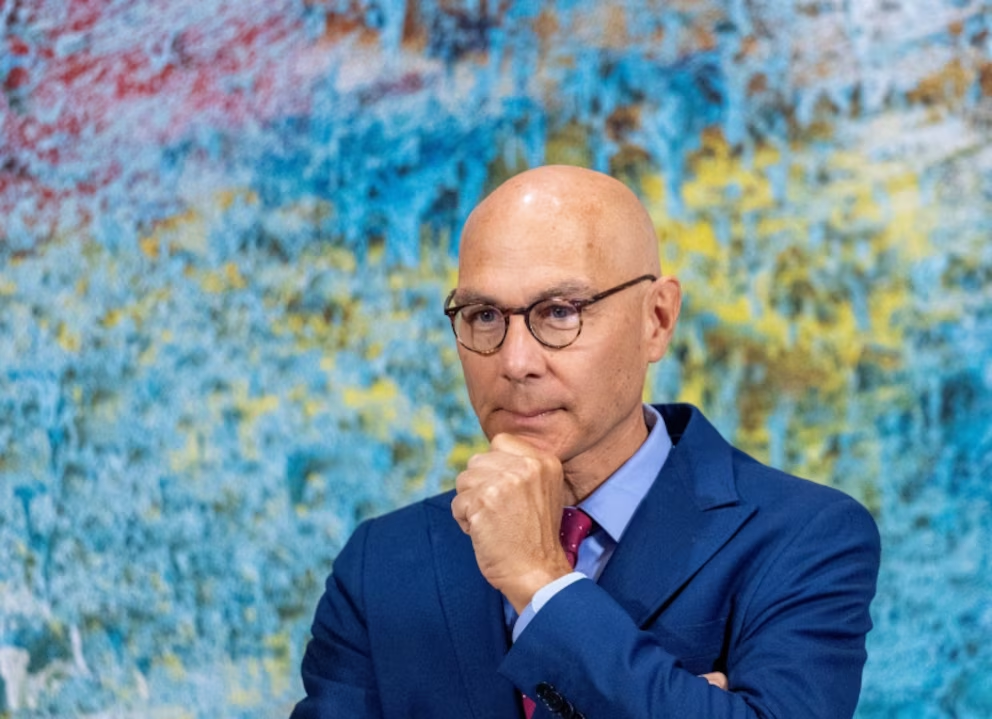
Venezuelan authorities announced that they will request international verification of a list of detainees released from prison, framing the move as an effort to clarify conflicting accounts surrounding politically sensitive detentions. Vice President Delcy Rodríguez stated that hundreds of individuals had been released and that the government would ask the United Nations human rights office to review the official records. The announcement comes amid public disputes between state figures and civil society organizations over the actual number of people freed. Families of detainees and advocacy groups argue that the process has lacked clarity and public documentation. The gap between official claims and independent counts has intensified scrutiny.
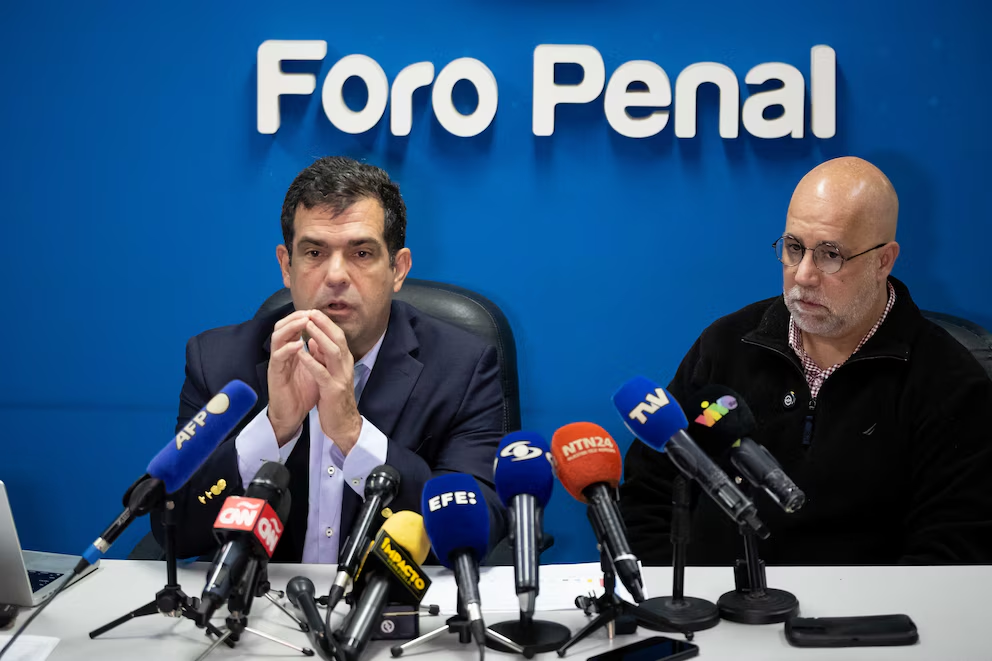
The government’s request for external verification is presented as a confidence building measure aimed at addressing international skepticism. Officials argue that involving a multilateral body could help reconcile competing narratives and confirm compliance with human rights standards. At the same time, critics note that verification is being proposed after figures were announced, rather than alongside the release of detailed and public lists. This sequencing raises questions about accountability and the degree of openness being offered. Transparency, in this context, functions as both a governance tool and a political instrument.
Civil society organizations that monitor detentions have reported lower figures than those cited by authorities. They emphasize that verification must include names, legal status, and circumstances of detention and release in order to be meaningful. Without such detail, they argue, numerical claims risk becoming symbolic gestures rather than substantive disclosures. Families of those still imprisoned continue to demand clarity and access to information. The persistence of these demands reflects long standing distrust rooted in previous episodes of opaque judicial practice.
The broader political environment adds complexity to the episode. Venezuela remains under intense international observation following years of disputed governance, sanctions, and diplomatic pressure. Statements about releases and verification are interpreted not only as domestic policy actions but as signals directed toward foreign governments and institutions. In this setting, cooperation with international bodies can serve multiple purposes, including reputational repair and negotiation leverage. The request for verification therefore operates within a wider strategic landscape.
Human rights observers stress that credibility depends less on announcements and more on consistent process. Independent verification is meaningful only if accompanied by unrestricted access to data and cooperation with monitors. Past experiences have shown that selective engagement can undermine trust rather than restore it. For this reason, advocates insist that verification must be comprehensive and continuous, not episodic. The effectiveness of the current request will depend on how it is implemented.
Ultimately, the episode underscores a recurring tension between state narratives and independent oversight in politically polarized environments. Verification becomes a test not only of numbers but of institutional willingness to submit to scrutiny. Whether this process reduces uncertainty or deepens skepticism will shape both domestic confidence and international perception. In contested political systems, transparency is not a statement but a practice. The outcome will hinge on whether that distinction is respected.
Truth is structure, not noise. / La verdad es estructura, no ruido.