

 Phoenix 24
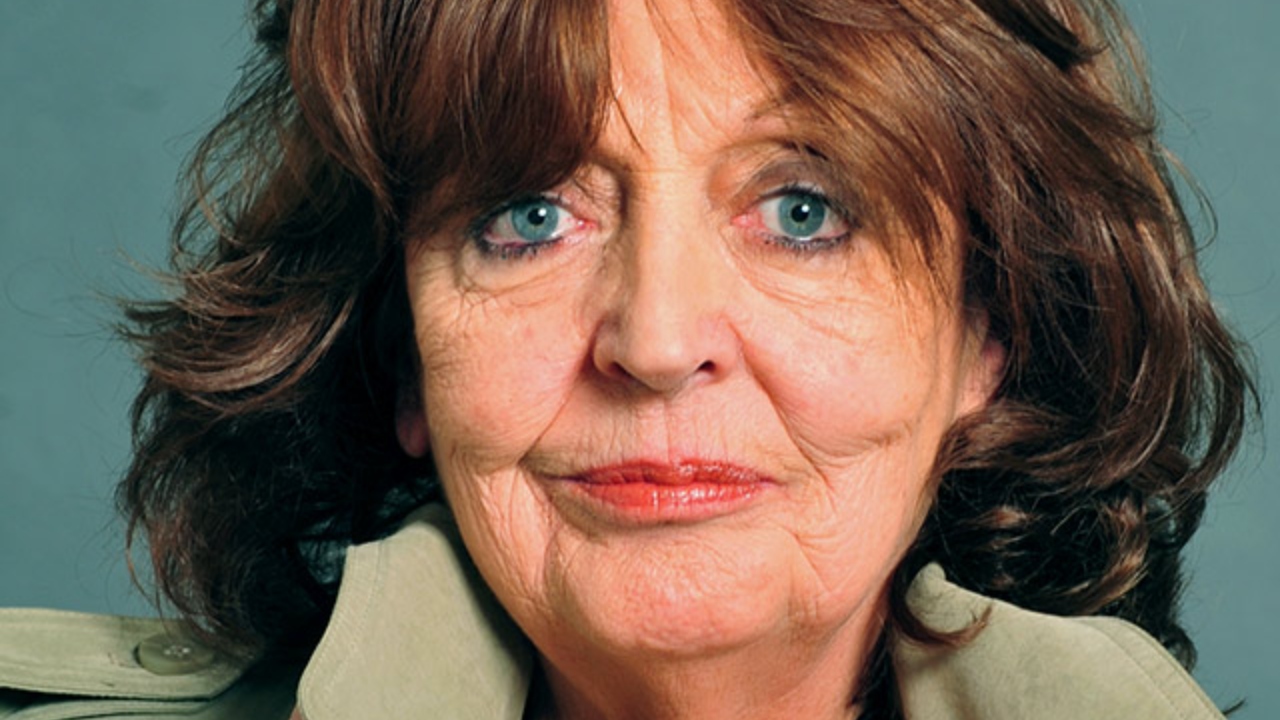
Spain’s highest literary distinction honors a writer who transformed the short story into a powerful exploration of mystery and human experience.
MADRID, SPAIN — November 4, 2026. Spanish author Cristina Fernández Cubas has been awarded the 2026 Miguel de Cervantes Prize, the most prestigious literary distinction in the Spanish language, recognizing a career that has transformed contemporary short fiction and expanded the possibilities of fantastic literature. Spain’s Minister of Culture, Ernest Urtasun, announced the decision on November 3, highlighting the originality, artistic excellence and consistency of her writing. The award, worth €125,000, also represents an important recognition of the short story as a literary form capable of achieving the same artistic depth and international significance as the novel.
Born in Arenys de Mar, near Barcelona, in 1945, Fernández Cubas has spent more than four decades exploring the unsettling dimensions of ordinary life. Her stories frequently begin in familiar environments before introducing unexpected events, uncertain memories or psychological disturbances that challenge the reader’s perception of reality. Rather than relying exclusively on conventional supernatural elements, she creates uncertainty through narrative perspective, carefully controlled information and the tension between what characters know and what they believe. This distinctive approach has established her among the most influential voices in contemporary Spanish-language fiction.
The Cervantes jury emphasized her contribution to renewing the short story, describing her literary achievement as fundamental to the development of Hispanic letters. Its assessment highlighted her precise narrative construction, effective use of silence and ability to transform everyday situations into experiences that challenge established certainties. Her work frequently examines identity, knowledge and the boundaries of reality without providing definitive explanations. In this respect, ambiguity becomes an essential artistic resource, encouraging readers to participate actively in interpreting the stories rather than receiving a single predetermined conclusion.
Fernández Cubas began building her literary reputation with Mi hermana Elba in 1980, followed by collections including Los altillos de Brumal, El ángulo del horror, Con Agatha en Estambul and Parientes pobres del diablo. Her writing developed a recognizable relationship between psychological realism and the extraordinary, often exploring childhood memories, family relationships and unfamiliar dimensions of domestic spaces. The publication of Todos los cuentos in 2008 consolidated much of her earlier work, allowing readers to appreciate the consistency of her artistic vision across different periods of her career.
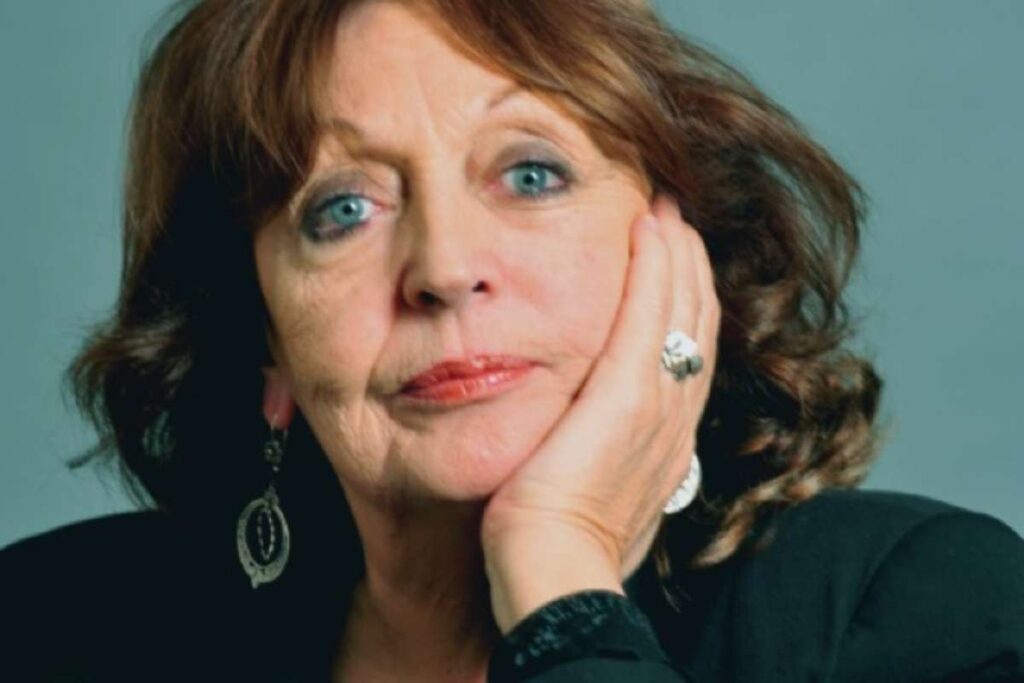
Her 2015 collection La habitación de Nona brought renewed recognition, receiving both Spain’s National Narrative Prize and the Critics’ Prize. She subsequently received the National Prize for Spanish Literature in 2023, an acknowledgment of her overall contribution to the country’s literary heritage. Following another lengthy interval between publications, she returned in 2025 with Lo que no se ve, reaffirming her fascination with the experiences and uncertainties concealed beneath ordinary appearances. Her achievements demonstrate that literary influence can be sustained through carefully developed work rather than constant commercial visibility.
Although best known for short fiction, Fernández Cubas has also written novels, theater and autobiographical prose. Her publications include El año de Gracia, El columpio, Hermanas de sangre and Cosas que ya no existen. In 2013, she published La puerta entreabierta under the pseudonym Fernanda Kubbs, experimenting with another dimension of her literary identity. Her background in law and journalism also forms part of a career characterized by close observation, intellectual curiosity and an interest in how human beings construct explanations for experiences that remain difficult to understand.
Reacting to the announcement, Fernández Cubas told the Spanish news agency EFE that the recognition had taken her completely by surprise. She expressed particular satisfaction that the jury had acknowledged her work as a short-story writer, interpreting the award as recognition not only of her own career but also of the genre and the authors who practice it. During a subsequent appearance in Barcelona on November 4, she reflected on the demanding nature of short fiction, emphasizing that every paragraph must contribute to the overall literary effect. She also explained that she continues writing and developing new material, without announcing a publication date.
The award carries additional historical significance because Fernández Cubas becomes only the seventh woman to receive the Cervantes Prize since its establishment in 1975. Previous female recipients include María Zambrano, Dulce María Loynaz, Ana María Matute, Elena Poniatowska, Ida Vitale and Cristina Peri Rossi. Her selection reinforces the importance of recognizing women’s contributions to Spanish-language literature while highlighting the diversity of narrative traditions across Spain and Latin America. The jury specifically acknowledged the connections between her writing and Latin American literature devoted to the strange, the ambiguous and the unexplained.
Fernández Cubas succeeds Mexican novelist and essayist Gonzalo Celorio, the 2025 Cervantes laureate, who also chaired this year’s jury. The formal presentation of the 2026 award is scheduled for April 23, 2027, at the University of Alcalá, coinciding with World Book Day and the traditional commemoration of Miguel de Cervantes. The ceremony will provide an international platform for recognizing a writer whose influence extends beyond national boundaries and whose work has helped establish the short story as an independent field of literary achievement.
The recognition arrives at a time when publishing markets increasingly emphasize commercial success, digital visibility and rapid consumption. Fernández Cubas’s career offers a contrasting example of literary creation grounded in precision, patience and the deliberate exploration of human uncertainty. Her stories demonstrate that narrative intensity does not depend on length, elaborate plots or definitive answers, but on the capacity to transform familiar experiences into enduring questions. The 2026 Cervantes Prize ultimately celebrates more than an individual writer: it recognizes the artistic power of imagination and the continuing importance of literature that invites readers to reconsider what they think they know.
Phoenix24: Beyond the page, the power of storytelling. / Más allá de la página, el poder de contar historias.