

 Phoenix 24
When interdiction becomes a signal of strategic posture.
Panama City, January 2026.
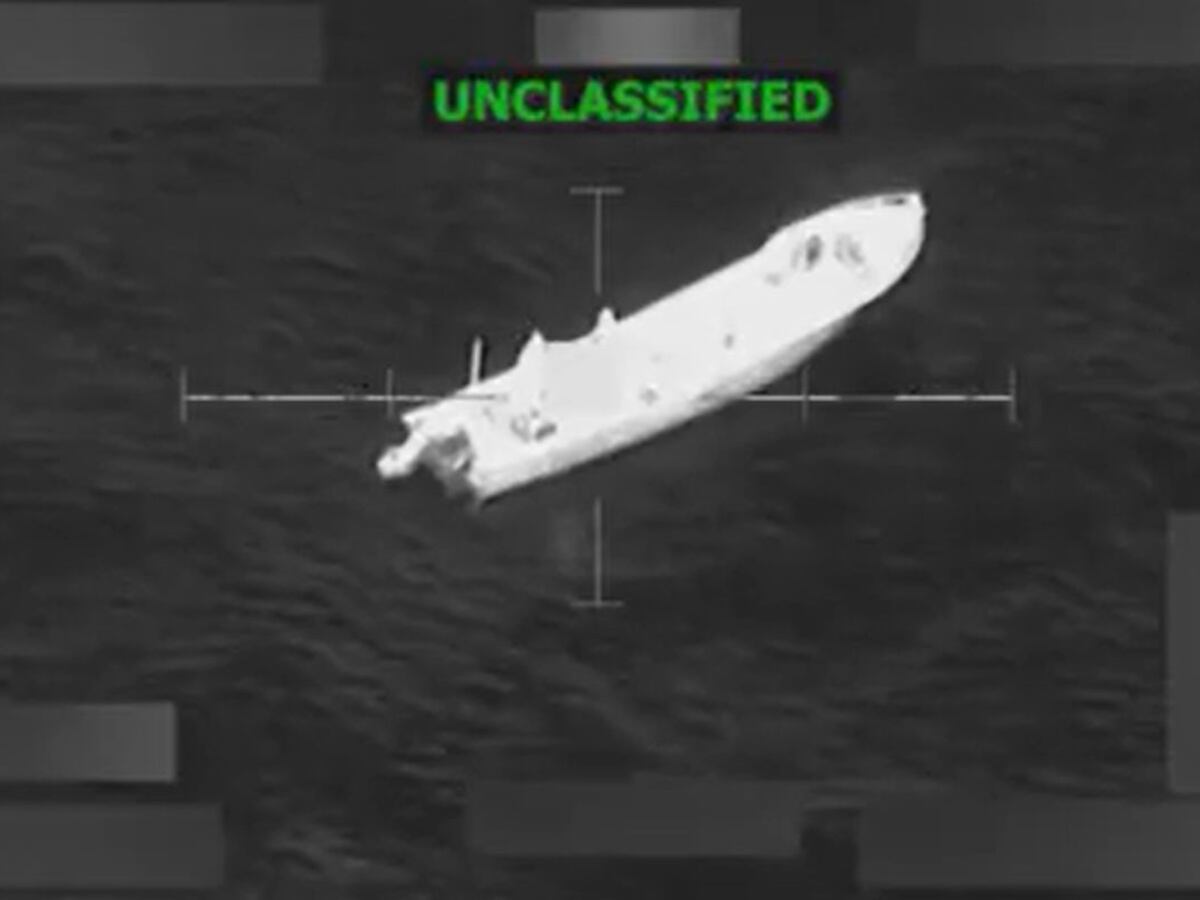
United States forces carried out a maritime strike in the eastern Pacific Ocean against a small vessel suspected of involvement in narcotics trafficking, resulting in the deaths of two individuals and the survival of one person. The operation was conducted in international waters as part of an expanded counter narcotics campaign that has intensified in recent months. According to official accounts, the vessel was identified through intelligence monitoring and assessed as participating in illicit maritime activity. After the strike, U.S. personnel initiated a rescue operation for the survivor, reflecting the dual application of lethal force and humanitarian response within a single operational framework. The incident has drawn attention because it illustrates how military engagement is increasingly used as a tool of law enforcement in transnational crime environments.
This action forms part of a broader shift in how the United States approaches maritime drug interdiction. Rather than relying exclusively on interception and seizure, authorities are applying kinetic measures against vessels deemed high risk. Officials argue that trafficking networks have grown more sophisticated, operating at greater distances and exploiting legal and geographic gaps. In response, interdiction strategy has evolved toward disruption rather than capture alone. This adjustment reflects an assessment that traditional enforcement methods have failed to sufficiently degrade supply chains. The strike therefore signals a recalibration of operational thresholds.
The legal and political dimensions of such actions remain complex. While international law allows states to act against stateless vessels engaged in illicit activity, the use of lethal force raises questions about proportionality and oversight. Regional governments have historically cooperated with U.S. counter narcotics operations, yet the expansion of military action in international waters introduces new sensitivities. Some observers warn that these practices could blur distinctions between military engagement and policing functions. Others contend that transnational criminal networks operate with impunity precisely because of legal ambiguity. This tension remains unresolved.
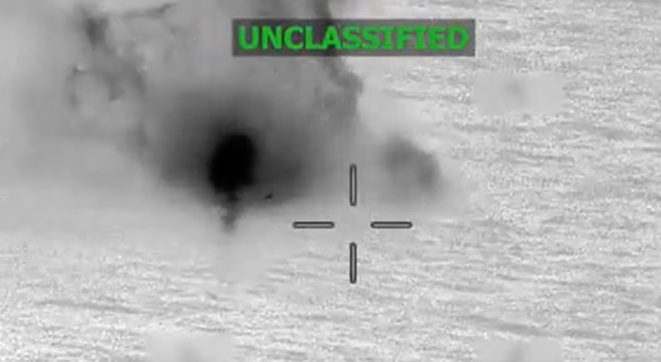
From a strategic perspective, the strike also serves a signaling function beyond its immediate tactical outcome. It communicates deterrence to trafficking organizations by demonstrating reach and willingness to escalate. At the same time, it reassures domestic audiences that maritime routes are being actively contested. The integration of intelligence, surveillance, strike capability, and rescue operations reflects a mature operational model. However, the long term effectiveness of this approach depends on sustained coordination with regional partners. Without broader institutional alignment, tactical success may remain episodic.
Human consequences are central to the debate surrounding such operations. The deaths resulting from the strike underscore that counter narcotics policy increasingly carries life and death implications beyond courtroom prosecutions. Critics argue that militarization risks collateral harm and normalizes force in contexts traditionally handled through judicial systems. Supporters counter that trafficking organizations are themselves violent actors whose activities destabilize entire regions. The ethical balance between enforcement and harm reduction continues to divide policy communities. This incident has reignited that debate.
The eastern Pacific has long been a critical corridor for illicit maritime traffic, linking production zones with distribution networks. Enhanced surveillance and interdiction have displaced routes rather than eliminated them, contributing to an ongoing strategic contest. Each operation reshapes trafficking behavior while prompting new adaptations. In this sense, the strike represents not an endpoint but a moment within a persistent cycle of action and response. Structural solutions remain elusive.
Ultimately, the operation illustrates how counter narcotics strategy is being folded into broader security doctrine. The boundary between crime control and military engagement is increasingly porous. Decisions made in these operations carry implications for international norms and regional stability. Whether this approach yields sustainable results will depend on governance, transparency, and multilateral coordination. The incident stands as a marker of how force is being redefined in contemporary maritime security.
Truth is structure, not noise. / La verdad es estructura, no ruido.