

 Phoenix 24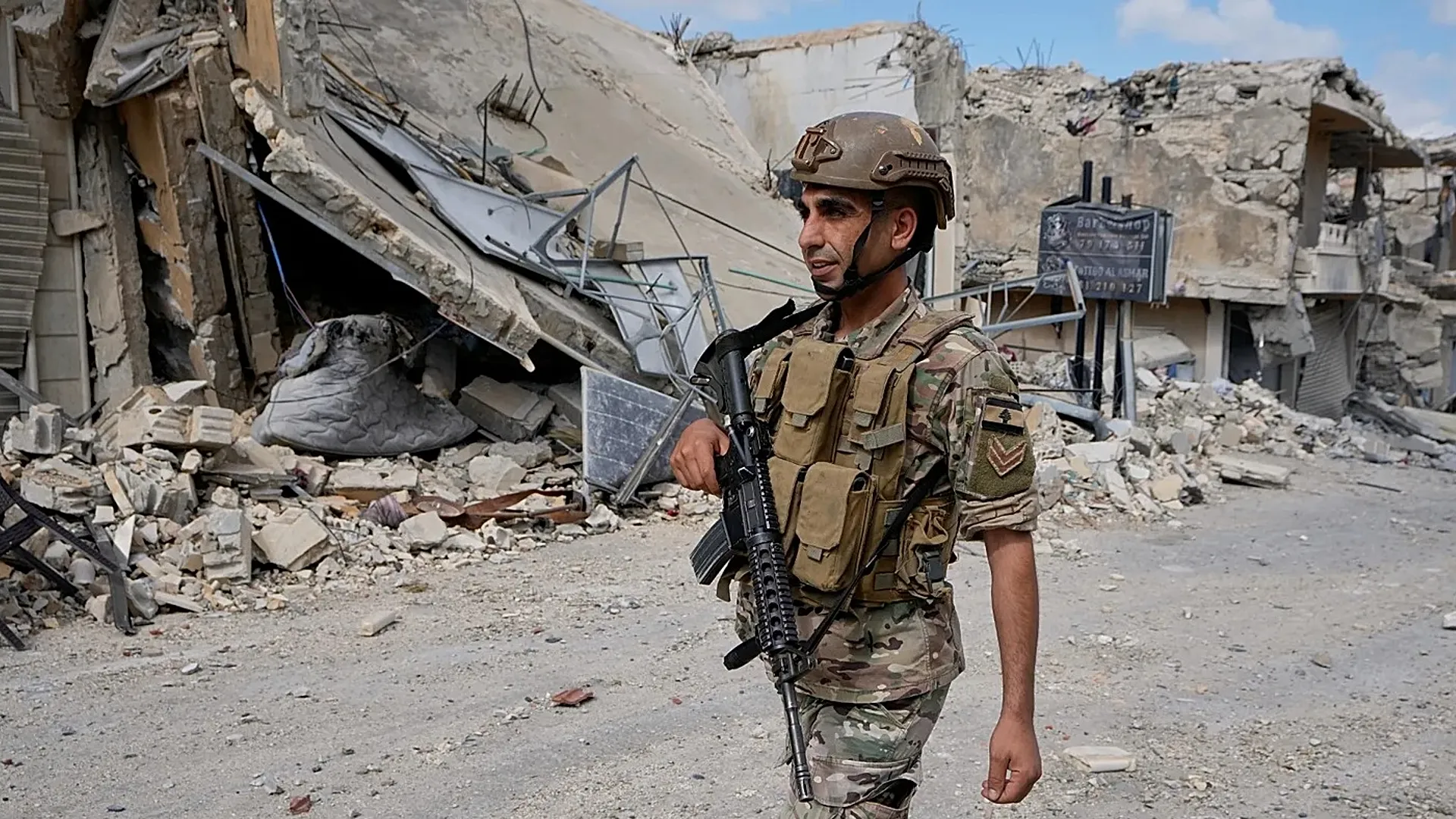
The agreement pauses violence but leaves the conflict unresolved.
BEIRUT, Lebanon | June 2026
The United States announced that Israel and Hezbollah had accepted a ceasefire intended to halt the latest escalation in Lebanon after days of intense exchanges that threatened wider regional diplomacy. The agreement was negotiated with support from Qatar and indirect Iranian involvement, according to officials familiar with the process. It was scheduled to take effect at 4:00 p.m. local time on Friday, although reports of continued military activity quickly raised doubts about its immediate implementation. The truce is designed to stop active hostilities without yet resolving the territorial, military and political disputes driving the confrontation.
The announcement followed a deadly surge in violence across southern and eastern Lebanon. Israeli forces intensified airstrikes after four soldiers were killed in an attack attributed to Hezbollah, while the Lebanese armed group continued launching drones and conducting operations against Israeli positions. Lebanese authorities reported dozens of deaths and injuries during the latest bombardments, adding to the heavy civilian toll accumulated since the conflict expanded in March. The escalation created pressure for an urgent diplomatic intervention before the confrontation undermined parallel negotiations between Washington and Tehran.
Under the ceasefire arrangement, Israel is expected to suspend offensive operations north of the area it currently controls in southern Lebanon. Israeli forces will nevertheless remain temporarily deployed inside a buffer zone, preserving a military presence that Lebanon considers a violation of its sovereignty. Israel has also reserved the right to respond if Hezbollah launches new attacks or poses what it defines as an immediate threat. That condition gives the truce a significant degree of uncertainty because each side retains a different interpretation of legitimate self-defense.
Hezbollah is expected to stop firing rockets and drones and halt attacks against Israeli troops and territory. The Lebanese government will face renewed pressure to prevent the armed group from operating independently in the south and to strengthen the authority of state security forces. Previous ceasefire initiatives have struggled because Lebanon lacks full control over Hezbollah’s military structure. The movement remains deeply embedded in the country’s political system while maintaining weapons and command networks outside direct state authority.
The United States presented the agreement as an essential step toward preventing another regional war. Washington has been attempting to preserve a broader framework with Iran after months of conflict disrupted energy markets, maritime traffic and diplomatic relations. Tehran had reportedly warned that negotiations could not continue while Israeli attacks in Lebanon remained active. The ceasefire therefore became connected not only to security along the Israeli-Lebanese border but also to the future of the emerging United States-Iran understanding.
Qatar played a supporting role in the mediation, using its established channels with regional governments and armed movements. Its participation reflects the increasingly complex diplomatic architecture surrounding Middle Eastern conflicts, where direct negotiations are often impossible and intermediaries communicate between hostile parties. Iran’s involvement was also decisive because of its longstanding political and military relationship with Hezbollah. Washington required Tehran to use that influence to help secure compliance from the Lebanese group.
The agreement does not require an immediate Israeli withdrawal from all Lebanese territory. This remains one of the most controversial elements because Lebanon insists that any durable settlement must restore full national sovereignty. Israel argues that its positions are necessary until Hezbollah is prevented from operating near the border. The disagreement means that the ceasefire freezes part of the military situation rather than eliminating the cause of future confrontation.
There are also unresolved questions about monitoring and enforcement. A truce can be announced within hours, but verifying violations requires an accepted mechanism and trusted observers. Israel and Hezbollah routinely accuse one another of initiating attacks, moving forces or exploiting civilian areas. Without clear procedures, even a limited incident could be interpreted as justification for renewed operations.
The latest escalation demonstrated how quickly localized violence can disrupt wider diplomatic plans. Talks involving the United States and Iran were postponed after Tehran objected to continued Israeli strikes in Lebanon. American officials had hoped to use those negotiations to consolidate a broader regional de-escalation after an initial political agreement between the two governments. The Lebanese front became an immediate test of whether that framework could influence actors beyond its formal signatories.
Israel’s domestic political divisions may further complicate the ceasefire. Hardline members of the government have demanded a more extensive campaign against Hezbollah and rejected pressure to limit military action. Their position reflects anger over Israeli military deaths and a belief that temporary truces allow the Lebanese group to reorganize. Prime Minister Benjamin Netanyahu must balance those demands with pressure from Washington to protect a wider diplomatic process.
Lebanon enters the ceasefire from a position of severe vulnerability. Communities in the south have endured repeated displacement, damage to homes and disruption of essential services. The national economy remains fragile, while public institutions lack the resources required for large-scale reconstruction. Even a complete end to the fighting would leave the government facing a prolonged humanitarian and financial emergency.
For civilians, the immediate value of the agreement lies in the possibility of returning home, receiving medical assistance and restoring basic movement. Yet families displaced by earlier truces have learned that temporary calm does not always produce lasting security. Many villages remain close to contested military areas, and unexploded munitions continue to threaten residents. Confidence will depend on whether the ceasefire survives beyond its first hours and days.
The agreement also exposes the limits of diplomacy based on temporary containment. Washington may succeed in stopping the current exchange, but Hezbollah’s weapons, Israel’s occupation of Lebanese territory and the weakness of the Lebanese state remain unresolved. Each issue is connected to broader regional rivalries involving Iran, the United States and Israel. A sustainable settlement would require political decisions far more difficult than suspending fire.
The ceasefire therefore represents both an achievement and a warning. It may interrupt a dangerous escalation and preserve the possibility of wider negotiations, but it does not yet establish peace. Israel and Hezbollah remain armed, distrustful and capable of returning rapidly to conflict. The coming days will reveal whether the agreement creates a genuine diplomatic opening or merely pauses another cycle of destruction.
Más allá de la noticia, el patrón. / Beyond the news, the pattern.