

 Phoenix 24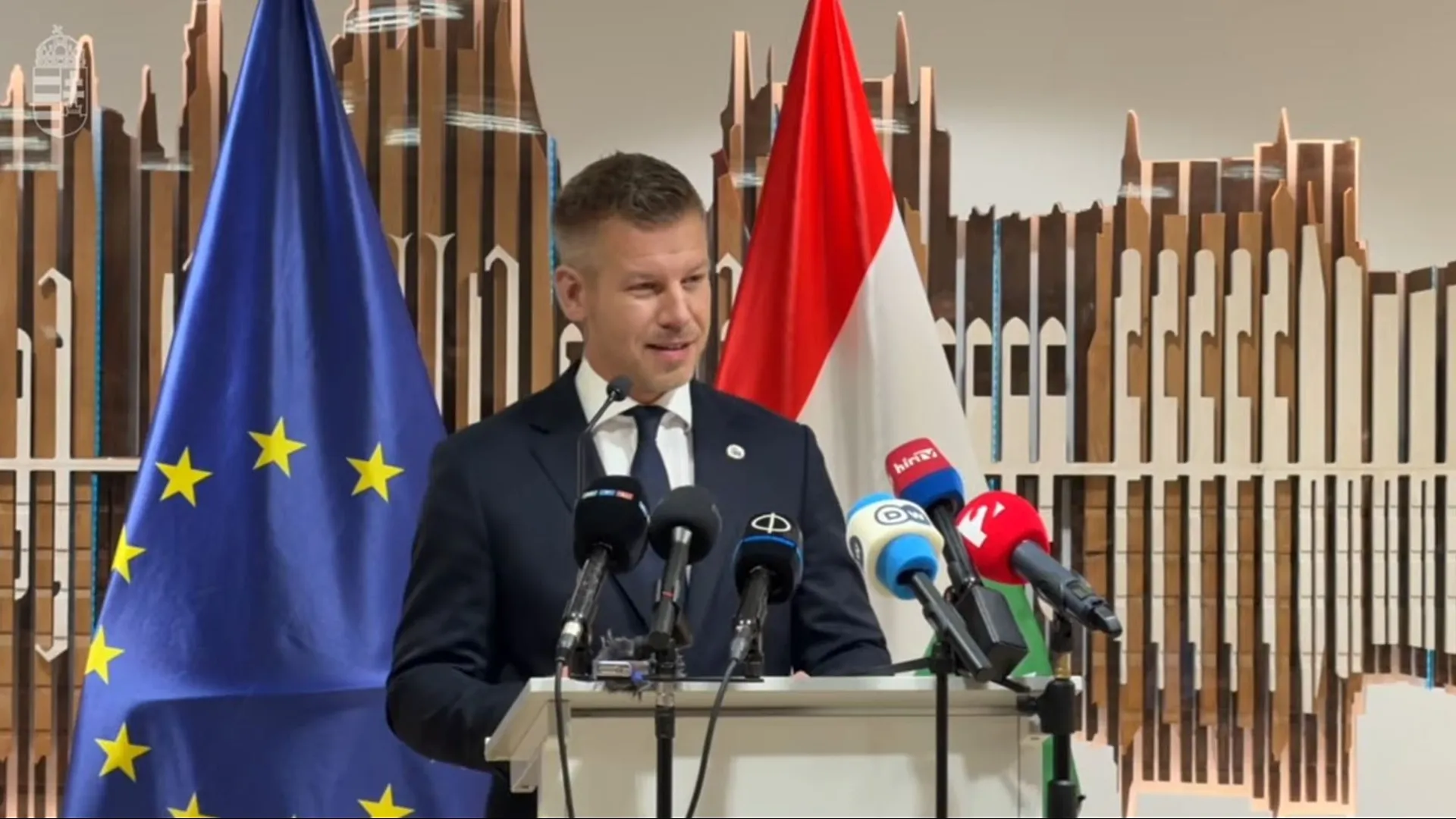
Reform progress unlocks funds once frozen by mistrust.
BRUSSELS, Belgium | June 2026
The European Commission has approved Hungary’s revised recovery plan, opening the path toward approximately €10 billion in grants and low-interest loans from the European Union’s post-pandemic fund. The decision follows negotiations with the new government led by Prime Minister Péter Magyar, which pledged to reverse institutional failures associated with Viktor Orbán’s previous administration. Brussels says the revised package redirects money toward projects that can be completed within the remaining European timetable. The approval offers Hungary an opportunity to revive investment, but access to the full amount will still depend on meeting strict reform milestones.
The package includes approximately €6.5 billion in non-repayable grants and close to €3.9 billion in favorable loans. Hungary intends to use the resources for energy modernization, housing, transport, digitalization and support for small and medium-sized businesses. The revised plan replaces projects considered too slow, outdated or unlikely to meet European deadlines. It also concentrates funding on investments that can generate visible economic effects before the recovery mechanism expires.
Hungary had been unable to receive payments from the fund because of concerns over corruption, judicial independence, public procurement and the protection of European financial interests. Brussels previously required the country to complete 27 preliminary reforms known as super milestones before requesting disbursements. Those conditions were designed to ensure that European money could not be distributed through politically controlled networks or weak oversight systems. The new government has committed itself to completing the unfinished measures under a compressed timetable.
The Commission’s approval does not mean that the entire amount will be transferred immediately. Budapest must demonstrate that the required reforms have been adopted and implemented before individual payments are authorized. European institutions will examine legislation, administrative changes and enforcement mechanisms rather than relying only on political promises. If Hungary fails to satisfy the conditions, part of the money could remain unavailable despite the revised plan.
Time is one of the greatest pressures facing the government. Hungary must complete the necessary recovery targets by August 31, while final payments must be processed before the broader European mechanism closes at the end of 2026. This leaves only a limited period to pass reforms, complete investments and provide evidence acceptable to Brussels. The timetable explains why the revised program favors mature projects over complex initiatives that could encounter administrative or construction delays.
Prime Minister Péter Magyar has presented the recovery package as evidence that Hungary is rebuilding trust with the European Union. His government argues that the funds can stimulate economic growth, repair public services and support companies after years of weak investment and political confrontation. Restoring access to European financing was one of the central promises behind his rise to power. The approval therefore carries both economic and symbolic importance for the new administration.
The decision marks a sharp change from the relationship maintained under Orbán. During the previous government, European funds became one of the main instruments used by Brussels to respond to concerns about democratic standards and corruption. Orbán described the restrictions as political punishment and an attack on national sovereignty. Magyar has adopted a more cooperative approach, arguing that compliance with European safeguards is necessary to recover money intended for Hungarian citizens.
The recovery plan forms only part of a broader financial agreement between Hungary and the European Commission. Brussels has also moved toward releasing €4.2 billion in cohesion funding linked to progress on anti-corruption and judicial reforms. A further €2.2 billion could become available if Hungary completes measures connected to academic freedom and conflicts of interest involving public-interest trusts. Together, these decisions could restore access to €16.4 billion previously frozen or placed under strict conditions.
The possible return of Hungary to the Erasmus student exchange program is one of the most visible social consequences of the reforms. Hungarian universities controlled by public-interest foundations had faced restrictions because of concerns about political influence and conflicts of interest. The government has promised to change the governance of those institutions and reduce the role of politically connected officials. Successful implementation could allow students and researchers to participate fully in European mobility programs again.
The money arrives at a critical moment for Hungary’s economy. Growth has remained weak, investment has slowed and public finances face pressure from inflation and elevated borrowing costs. Access to European grants could reduce the burden on the national budget while financing infrastructure and energy projects. The announcement has also improved perceptions surrounding the Hungarian forint and the country’s relationship with international investors.
Yet the release of funds remains controversial among members of the European Parliament and civil society organizations. Critics warn that the Commission may be rewarding initial commitments before reforms become irreversible. They argue that previous governments demonstrated how laws could be amended formally while political influence continued through institutions and informal networks. For these groups, effective enforcement matters more than the speed of legislative change.
The Commission must therefore balance two competing risks. Releasing money too quickly could weaken the credibility of the European Union’s rule-of-law conditionality system. Holding funds indefinitely despite genuine reform could undermine the new government and punish Hungarian citizens for violations associated with the previous administration. Brussels has chosen a conditional opening in which financial access expands gradually as specific commitments are verified.
The revised plan also demonstrates how European funding has become an instrument of political transformation. Recovery money was originally created to repair economic damage caused by the pandemic and accelerate green and digital investment. In Hungary, it has also become closely tied to judicial independence, transparency and democratic accountability. The financial mechanism now functions as both an investment program and a test of institutional credibility.
For Magyar, the challenge is to convert approval in Brussels into visible results at home. Hungarian voters will expect improved transport, affordable housing, modernized energy systems and stronger public services rather than another series of European announcements. Companies will seek predictable rules and faster access to financing. The government’s political future may depend on whether European funds produce tangible improvements before public patience begins to decline.
The Commission’s decision gives Hungary a new opportunity but not an unconditional financial rescue. Every payment remains linked to reforms, deadlines and verification. The country has recovered a route toward billions in European support after years of confrontation, but the most difficult stage now begins. Trust has opened the door, while implementation will determine how much money ultimately crosses it.
La verdad es estructura, no ruido. / Truth is structure, not noise.