

 Phoenix 24
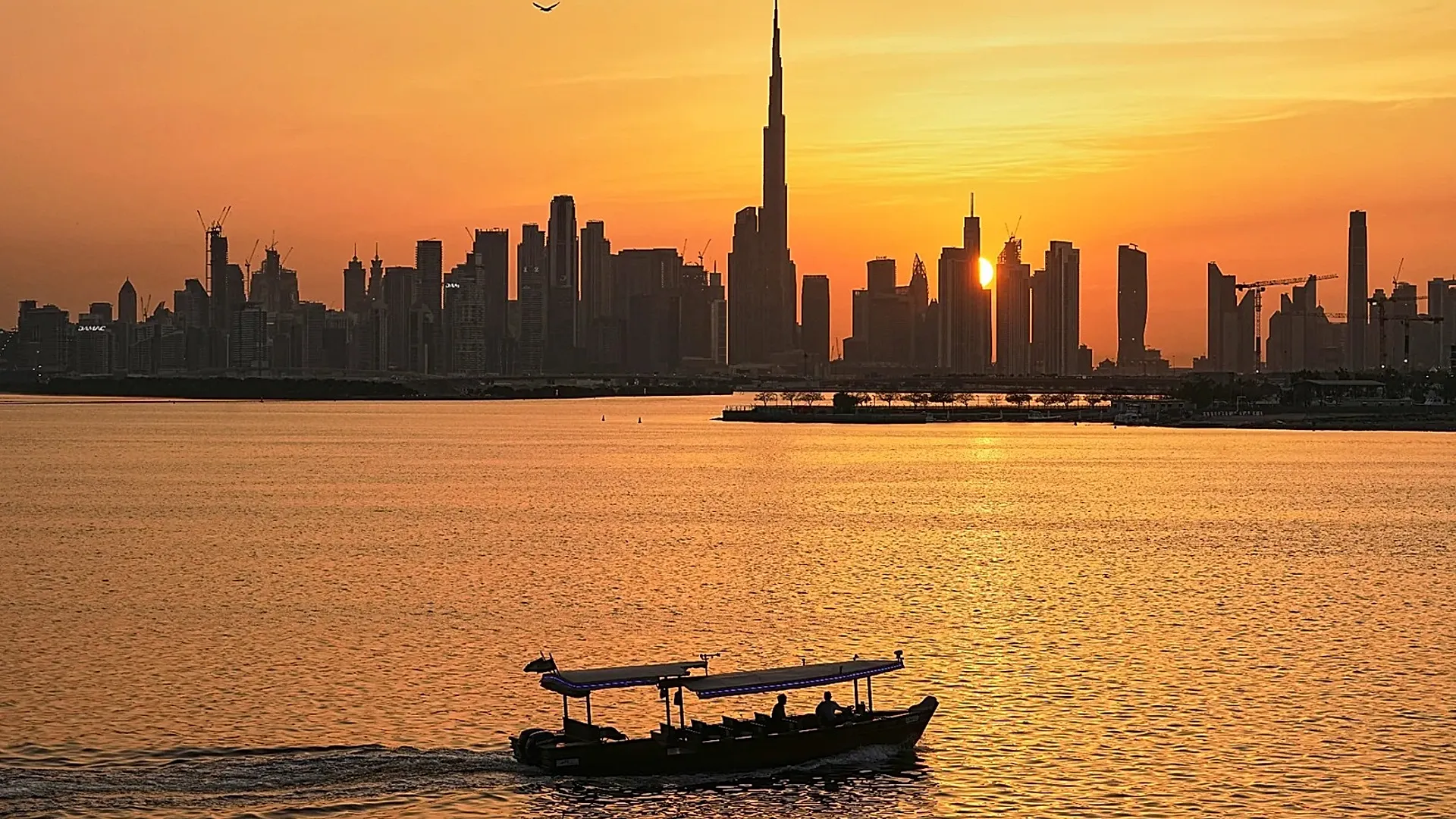
Resilience becomes the Gulf’s strategic message.
Abu Dhabi, March 2026.
The United Arab Emirates says it is prepared to endure the economic and security shock created by the escalating confrontation with Iran, while warning that it will firmly oppose what officials describe as Tehran’s destabilizing strategy in the region. Emirati leaders argue that the current crisis is not only a military conflict but also a contest between two different visions for the future of the Middle East.
Lana Nusseibeh, Minister of State for the United Arab Emirates and former ambassador to the United Nations, explained that the country has faced a wave of missile and drone attacks since tensions intensified across the Gulf. According to Emirati authorities, more than 1,800 missiles and unmanned aerial systems have been launched toward Emirati territory during the past two weeks. Despite the scale of these attacks, officials insist that the country’s infrastructure, energy networks and economic systems remain operational.
Nusseibeh framed the confrontation in broader ideological terms. From the Emirati perspective, the conflict represents a clash between a regional model built on economic openness and international cooperation and what officials describe as Iran’s strategy of destabilization. The UAE has invested heavily over the past decades in positioning itself as a hub for global trade, energy logistics and financial flows, and leaders say defending that model has become a central national priority.
The conflict has already generated concern in global markets. Iranian threats to disrupt maritime traffic and energy infrastructure near the Strait of Hormuz have heightened anxiety among governments and investors. This narrow maritime passage is one of the most critical energy chokepoints in the world, carrying a substantial portion of international oil exports. Any sustained disruption could rapidly affect global fuel prices, shipping routes and industrial supply chains.
Emirati officials emphasize that maintaining stability in the country’s energy sector therefore has international implications. The UAE has long promoted itself as a reliable energy supplier and logistics gateway connecting Europe, Asia and Africa. Authorities say the country intends to continue fulfilling this role despite the security pressures created by the conflict.
A key component of the UAE’s resilience strategy is its economic diversification. Over the past half century, the country has expanded beyond oil by investing in aviation, finance, logistics, renewable energy and advanced technologies. Emirati policymakers argue that this diversification has strengthened the national economy and reduced vulnerability to geopolitical shocks.
Aviation and logistics infrastructure play a central role in this strategy. Dubai and Abu Dhabi operate some of the busiest international airports in the world, while national airlines Emirates and Etihad serve as major connectors in global air travel. Even after the initial disruptions caused by the recent attacks, authorities report that aviation activity has begun recovering as security measures stabilize transportation networks.
Confidence among residents and international investors has also become a key factor in maintaining stability. Although some expatriates initially considered leaving during the early phase of the escalation, many ultimately chose to remain. Government messaging has focused on reinforcing public confidence by emphasizing the country’s ability to maintain security and economic continuity even under pressure.
The conflict has also highlighted the UAE’s importance in global supply chains. The country hosts major ports, free trade zones and financial centers that facilitate commerce across continents. Disruptions to this infrastructure could have consequences far beyond the Gulf, affecting industries ranging from shipping and aviation to manufacturing and global trade.
Despite the firm tone toward Iran, Emirati leaders continue to stress that diplomacy remains the preferred path to de-escalation. Officials argue that a negotiated settlement involving regional governments and international partners will ultimately be necessary to prevent the conflict from expanding further. At the same time, the government has made clear that it will respond decisively to attacks that threaten national security.
The confrontation with Iran is therefore shaping a defining moment in the UAE’s geopolitical positioning. By emphasizing resilience, economic stability and international cooperation, Emirati leaders are attempting to present the country as a stabilizing force in a region frequently marked by volatility.
For international observers, the message from Abu Dhabi is increasingly clear. The conflict unfolding in the Gulf is not only a military confrontation but also a struggle between competing models of regional order. One is built on integration with global markets and diplomatic partnerships. The other, Emirati officials argue, risks pushing the region toward instability and prolonged confrontation.
Phoenix24: journalism without borders. / Phoenix24: journalism without borders.