

 Phoenix 24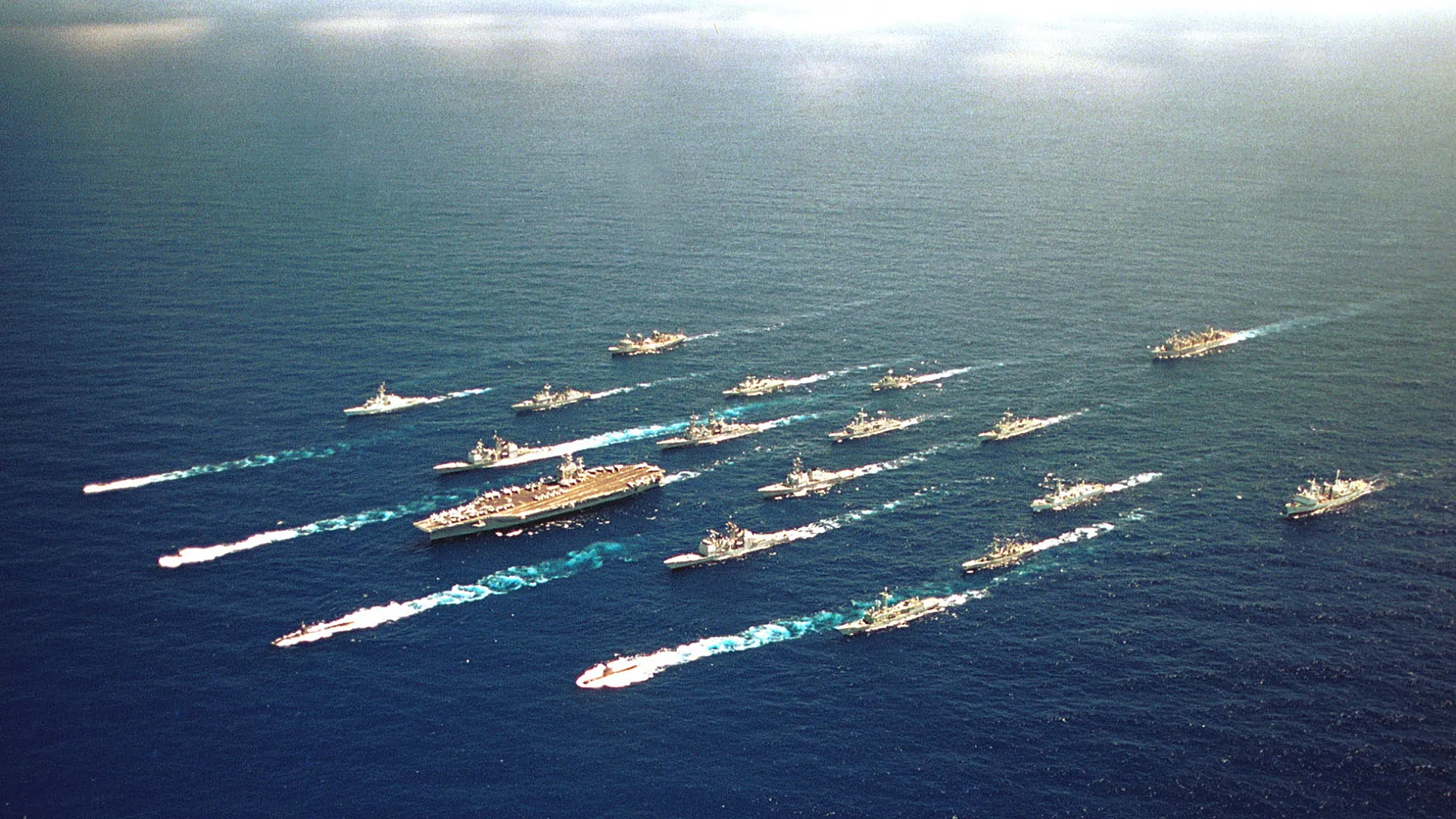
When force is both deterrent and message, the sea becomes a stage for strategic signaling.
Washington, January 2026. In a dramatic escalation of military posture amid rising tensions with Tehran, the United States has dispatched a substantial naval force toward the Gulf region, with Iran as the declared focal point of its deployment. The announcement made by U.S. President Donald Trump has reverberated through political and strategic circles worldwide, underscoring how maritime power is being used as both a deterrent and a geopolitical instrument in a conflict environment fraught with uncertainty.
According to official statements and corroborated tracking data of naval movements, the centerpiece of this deployment is the aircraft carrier USS Abraham Lincoln, a nuclear-powered Nimitz-class vessel accompanied by its strike group. Historically one of the most formidable maritime platforms in the U.S. arsenal, the Abraham Lincoln carries a large complement of aircraft and advanced sensors capable of projecting force across vast distances. Its movement from operations in the Indo-Pacific toward the Indian Ocean and eventually the Gulf underscores a rapid redeployment out of routine patrol zones, suggesting an elevated appraisal of regional risk by U.S. military planners.
The carrier strike group is accompanied by multiple Arleigh Burke class guided-missile destroyers, each equipped with advanced radar and missile systems capable of layered air and missile defense. These surface combatants enhance the fleet’s ability to provide area defense against aerial threats, protect the carrier itself, and contribute to long-range strike options if orders are given. The combination of a carrier and its escort ships forms a mobile, flexible power projection platform that can respond to evolving conditions at sea, in the air, and ashore.
President Trump’s public comments characterized the deployment as a precautionary measure, emphasizing that the United States is monitoring developments in Iran closely and prefers to avoid direct conflict. The term “armada” used in political discourse to describe the fleet conveys both scale and intent, signaling robust capability without necessarily indicating immediate offensive intent. The rhetorical calibration suggests an attempt to balance deterrence with diplomatic restraint as leaders weigh the implications of escalation.
This naval movement follows months of heightened diplomatic tension. Relations between Washington and Tehran have deteriorated against the backdrop of internal unrest in Iran, economic pressures, and contentious political rhetoric. Iranian authorities have responded to U.S. positioning with statements ranging from defiance to open warnings about the consequences of perceived aggression. These exchanges have intensified regional anxieties, prompting allies and adversaries alike to reassess strategic postures.
The strategic logic behind deploying a major naval force toward the Gulf region lies in maritime geography and deterrence theory. Control of sea lanes, access to chokepoints such as the Strait of Hormuz, and the ability to project air power from carriers provide the United States with significant leverage. By positioning these assets within reach, Washington aims to complicate Tehran’s calculus, deter potential hostile actions, and reassure regional partners concerned about security vulnerabilities.
However, the display of naval strength carries risks as well as strategic benefit. Demonstrations of force can be misinterpreted, triggering reciprocal escalatory steps by the opposing side. Tehran’s leadership, aware of its own strategic imperatives, has emphasized readiness to treat any foreign strike as an existential threat, with officials framing potential confrontation in terms of comprehensive retaliation. In an environment where symbolic gestures and military movements intersect, the presence of a powerful fleet offshore can amplify both deterrence and fear.
For analysts, the deployment signals a broader transition in U.S. defense policy toward integrated maritime and aerial postures that bridge traditional theaters of operation. The pivot of forces from the Indo-Pacific to the Gulf illustrates Washington’s prioritization of crisis response, even at the expense of reducing naval presence in other contested regions. This redeployment reflects not only a tactical adjustment but also a strategic judgment about where U.S. interests are most vulnerable in the present moment.
Within the U.S. political context, the announcement has sparked debate over the appropriate use of military assets in pursuit of foreign policy objectives. Supporters argue that demonstrating strength deters miscalculation and protects American interests, while critics caution against entanglement in conflicts that could draw in wider regional actors and impose heavy costs. The tension between projecting strength and managing escalation is a recurring theme in debates over U.S. global military posture.
As the fleet proceeds toward its destination, much will depend on parallel diplomatic efforts, communication channels between capitals, and the unfolding dynamics within Iran and the broader Middle East. Whether the presence of U.S. naval power ultimately stabilizes the situation or contributes to further friction will hinge on decisions made in the coming days by policymakers, military leaders, and regional stakeholders.
Behind every data point, there is an intention. Behind every silence, a structure.
Detrás de cada dato, hay una intención. Detrás de cada silencio, una estructura.