

 Phoenix 24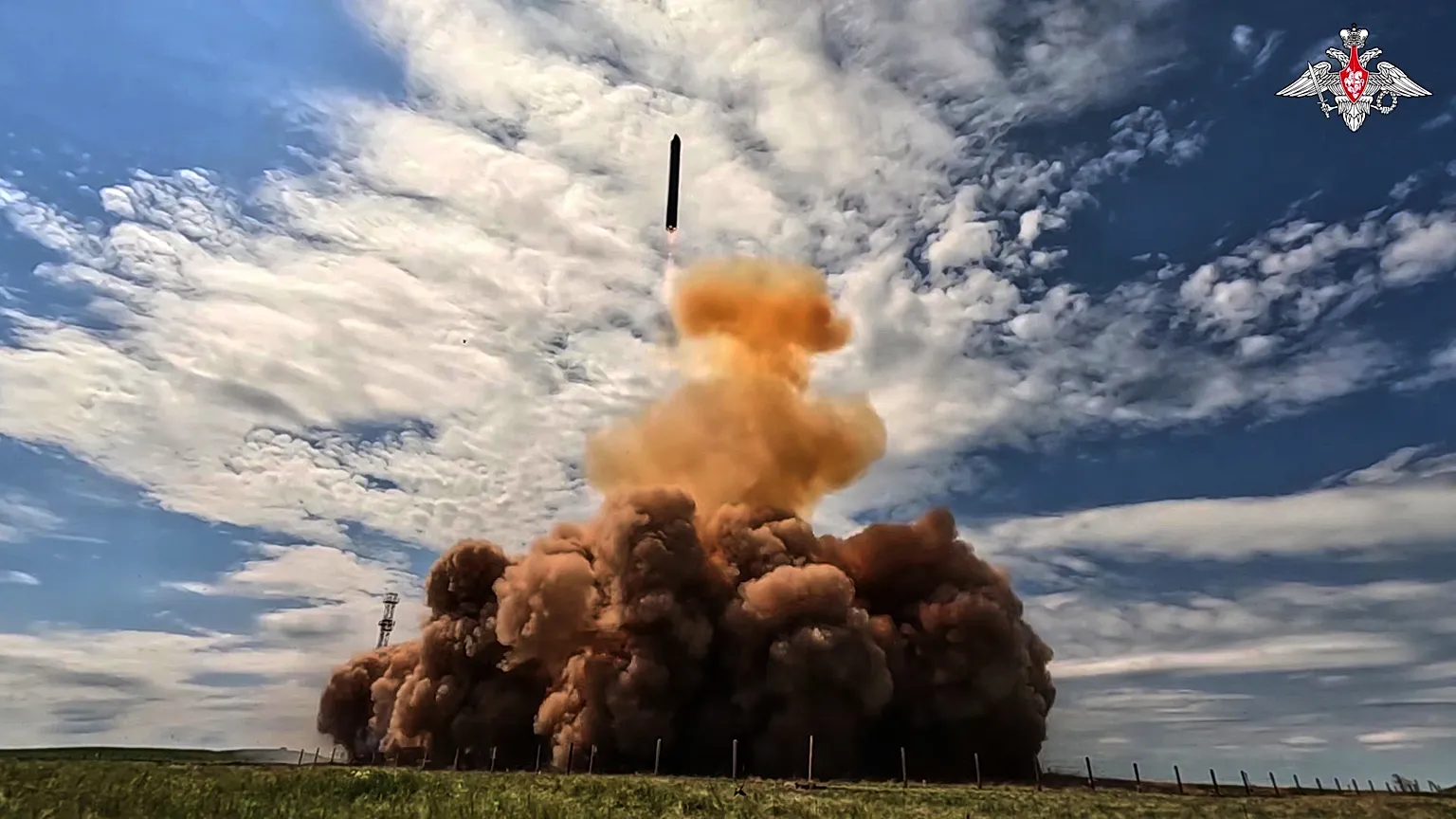
Retaliatory language is pushing the air war toward another dangerous winter.
KYIV, UKRAINE
The death toll from a Russian drone strike on an ammunition depot in Myla, west of Kyiv, has risen to 38, according to Ukrainian authorities. Twenty people were injured and four remained missing as emergency crews extinguished fires and bomb-disposal teams cleared unexploded munitions. Secondary explosions damaged more than 50 residential buildings and a nearby care facility, turning the attack into Ukraine’s deadliest reported strike of 2026.
Russia’s Defence Ministry acknowledged attacking the site, describing it as a military warehouse containing weapons infrastructure and components for long-range drones. Ukrainian President Volodymyr Zelenskyy simultaneously accused officials of criminal negligence for allowing explosives to be stored close to residential areas. Authorities have opened investigations into the depot’s management and the decisions that magnified the consequences for civilians.
Moscow has now threatened “massive strikes” against Ukraine’s energy system in retaliation for recent Ukrainian drone attacks inside Russia. Those operations have targeted oil refineries, logistics centres and commercial warehouses that Kyiv says contribute to Russian military supply chains. One of the latest attacks reportedly caused a fire at the Kirishi refinery, an important facility near Saint Petersburg. The full extent of the damage and the military role attributed to some commercial targets remain disputed.
Zelenskyy said Russia launched almost 2,000 strike drones, more than 1,600 guided bombs and 31 missiles against Ukraine during the previous week. These figures come from the Ukrainian government and have not been independently verified in their entirety, but they reflect the growing scale of the aerial campaign. Kyiv continues to request additional interceptors and air-defence systems as its existing resources are stretched between cities, military positions and critical infrastructure.
The threatened escalation places electricity generation, heating, water systems and hospitals at greater risk as winter approaches. Energy installations may qualify as military targets when they directly support armed operations, but attacks must still satisfy the requirements of distinction and proportionality under international humanitarian law. The Myla disaster also demonstrates that civilian protection depends on decisions made far behind the front, including where ammunition is stored and how dangerous military facilities are separated from populated areas.
Lo visible y lo oculto, en contexto. / The visible and the hidden, in context.