

 Phoenix 24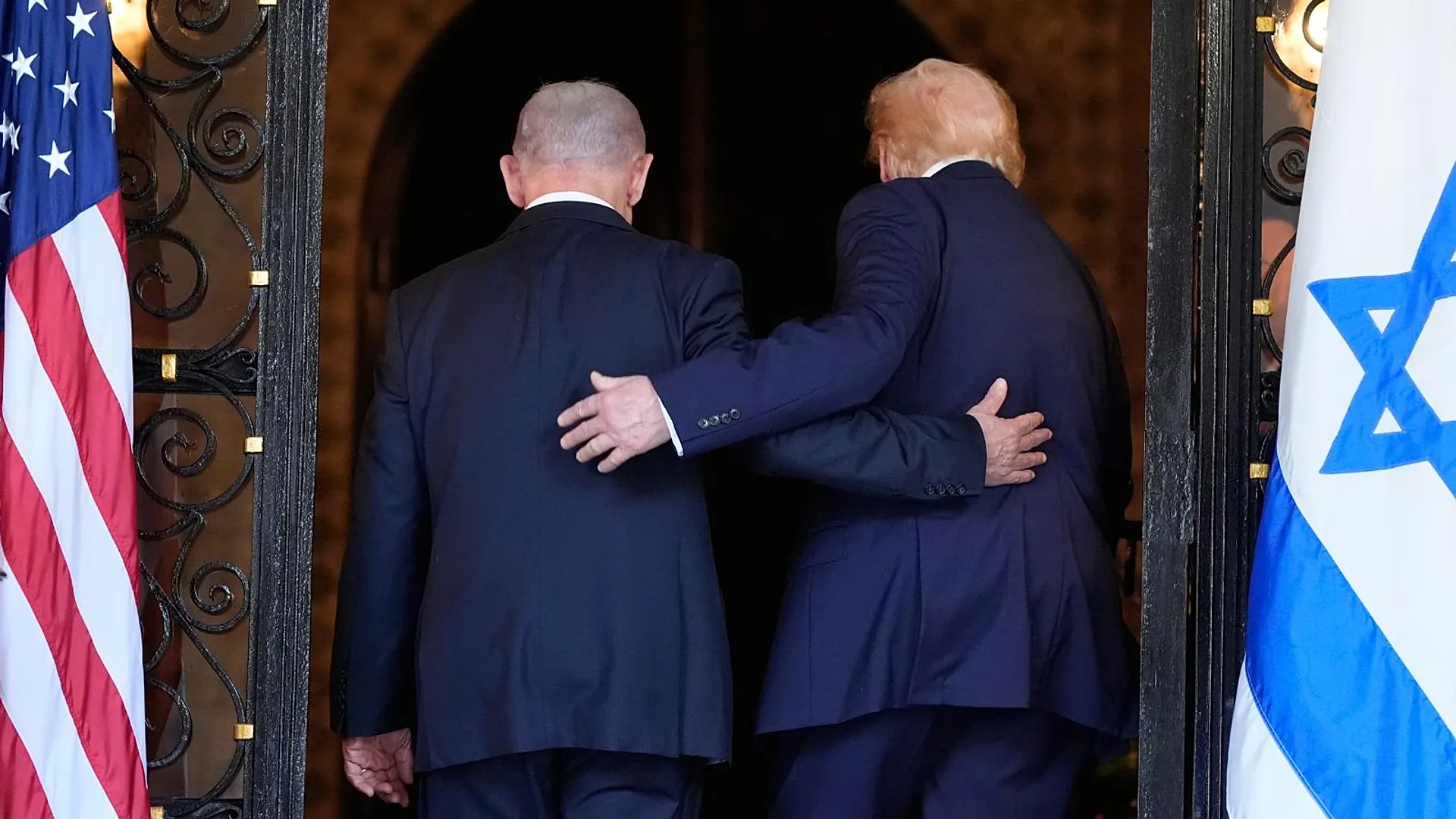
Removing an adversarial regime may appear decisive, but the collapse of a state can generate risks far more dangerous than the threat it was meant to neutralize.
Tehran, January 2026. The prospect of eliminating the government of Iran has emerged as one of the most consequential and sensitive scenarios confronting United States and Israel. Far from offering a straightforward path to regional security, such an outcome is widely regarded by security analysts as a trigger for systemic instability with implications extending well beyond the Middle East.
One of the primary concerns centers on the loss of centralized control over Iran’s extensive military capabilities. In the absence of a functioning state authority, stockpiles of missiles, drones, and sensitive nuclear-related materials could become fragmented, inadequately secured, or diverted into illicit networks. This risk of proliferation, particularly involving non-state actors, represents a security challenge that neither Washington nor Tel Aviv could easily contain once unleashed.
Equally significant is the danger of an internal power vacuum. The sudden disappearance of the current governing structure would likely intensify factional competition, territorial fragmentation, and armed confrontation among rival groups. Historical precedents in the region suggest that state collapse rarely produces rapid stabilization and instead tends to export insecurity across borders, affecting neighboring states and strategic transit zones.
From a regional perspective, Iran has long functioned as a central reference point within the Middle Eastern security architecture. Its role as a strategic adversary has shaped alliances, deterrence calculations, and military coordination. Removing that anchor would force regional actors to reassess their security postures, potentially weakening existing alignments and opening space for unpredictable realignments.
The military dimension further amplifies the risks. Iranian authorities have repeatedly framed any external attempt to dismantle the state as an act of total war, raising the likelihood of rapid escalation through asymmetric responses, proxy actions, or direct retaliation. Such dynamics could expand hostilities across multiple theaters, complicating efforts to control the scope and duration of conflict.
Beyond security considerations, the economic and geopolitical consequences would be immediate. Political disintegration in Iran would reverberate through global energy markets, disrupt critical trade routes, and elevate perceptions of systemic risk. At the diplomatic level, the absence of a recognized central authority would undermine already fragile frameworks for nuclear oversight and crisis management.
For the United States and Israel, the scenario exposes a strategic paradox. While the removal of a longstanding adversary may appear advantageous in the short term, the resulting uncertainty, fragmentation, and diffusion of power could ultimately generate a more volatile and less governable environment than the one it replaces.
Behind every strategic decision lies an intention. Behind every collapse, a structure waiting to emerge.