

 Mario López Ayala, PhD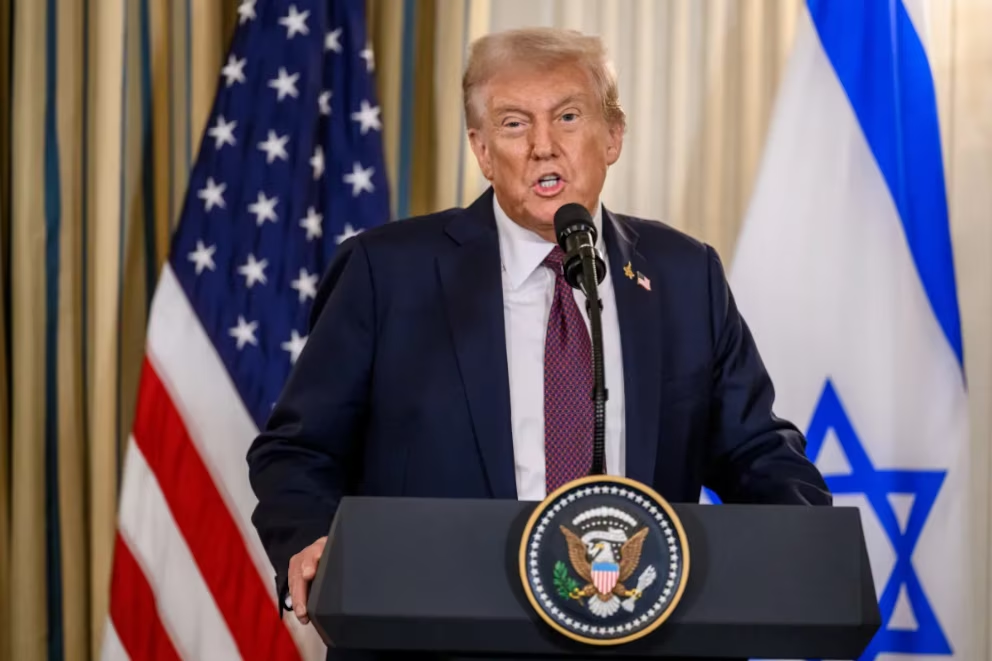
A statement heavy with political symbolism and strategic implications adds pressure to an already volatile conflict.
Washington, October 2025
Former United States President Donald Trump has issued one of his strongest warnings yet on the Israel-Palestine conflict, declaring that Hamas will face “complete destruction” if it does not surrender control of Gaza and allow the formation of a new governing authority. The warning, broadcast through several media channels and amplified by political allies, comes at a pivotal moment in ongoing negotiations and signals a sharp escalation in rhetoric that could reshape the region’s geopolitical landscape.
The statement is part of a broader 20-point peace framework promoted by Washington and supported by the Israeli government. The plan envisions a phased transition in Gaza, beginning with the release of hostages, the withdrawal of armed groups from key areas, and the establishment of an interim administrative council supervised by international actors. Hamas has tentatively accepted some elements of the plan, including limited prisoner releases, but it continues to reject two fundamental conditions: total disarmament and the transfer of governing authority. According to Trump, those refusals are incompatible with any lasting peace.
The former president’s rhetoric follows a familiar strategic logic. By imposing strict deadlines, presenting ambitious proposals, and coupling diplomacy with threats of military action, Washington is seeking to increase the cost of non-compliance. Trump stated that Israeli Prime Minister Benjamin Netanyahu is aligned with this approach and that the United States would continue to apply pressure until Hamas makes a definitive choice.
The international response has been mixed. In the Middle East, Egypt and Qatar, both key intermediaries in ceasefire negotiations, have reacted cautiously. Tehran, a long-standing supporter of Hamas, condemned Trump’s language as “provocative” and warned that such threats could destabilize the region further. Analysts believe the ultimatum could push Hamas toward concessions if internal factions calculate that continued resistance is unsustainable. However, it could also harden their stance and trigger new cycles of violence if they perceive the threats as politically motivated.
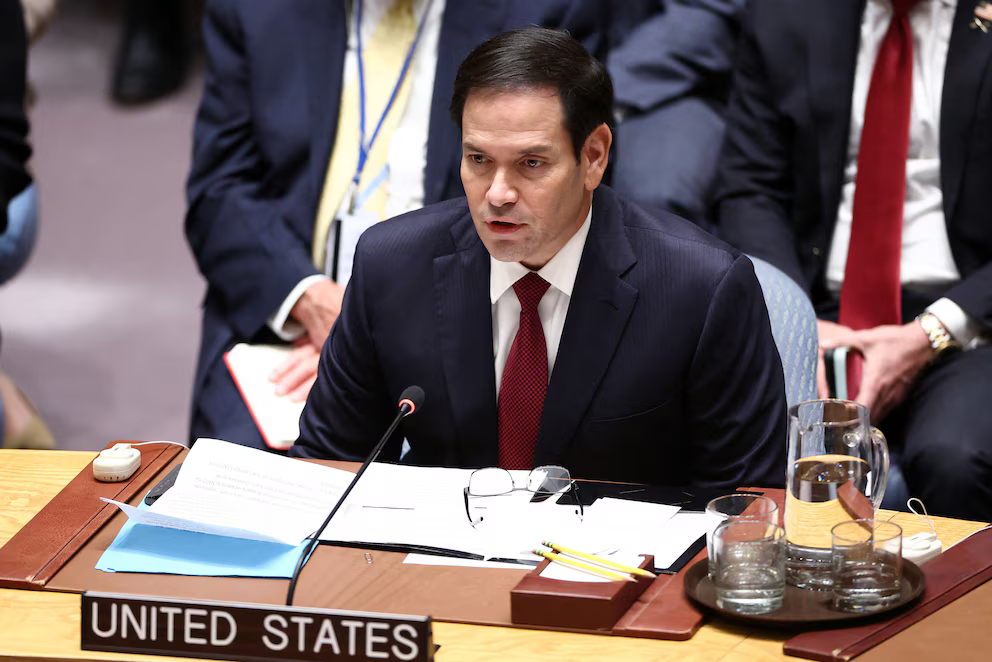
European capitals have expressed concern over the tone and potential consequences of Trump’s remarks. Officials in Brussels and Berlin warned that threats of “complete destruction” against a densely populated territory risk undermining Western credibility and alienating global public opinion. Others, including some policymakers in London and Warsaw, argued that the rhetoric might serve a tactical purpose by pressuring Hamas to negotiate more seriously and by narrowing the range of acceptable outcomes.
The language Trump used carries significant political weight. By framing the conflict in terms of total victory or annihilation, he seeks to eliminate middle-ground scenarios and force a binary choice between surrender and defeat. This rhetorical strategy aims to shift the negotiating landscape and redefine the terms of any eventual settlement. Critics argue that such absolutist framing risks backfiring by making compromise politically impossible for Hamas leaders, who must maintain internal legitimacy.
While the statement was uncompromising, the actual feasibility of a large-scale military offensive remains subject to numerous constraints. Gaza is one of the most densely populated territories in the world, making any sustained military campaign extremely costly in human terms. International law, humanitarian considerations, and the potential fallout from global condemnation all act as deterrents against a full-scale operation. Furthermore, Israel’s security establishment has repeatedly warned that completely eliminating Hamas’s political and military infrastructure could require an extended occupation, something that would carry its own strategic risks.
If Hamas eventually agrees to key aspects of the peace framework, the process could move toward a transitional governance phase under international supervision. That scenario would likely involve Arab League participation, support from European Union reconstruction funds, and a role for the United Nations in monitoring disarmament. However, if the group maintains its defiance, the situation could deteriorate rapidly, with renewed airstrikes, ground operations, and intensified humanitarian crises.
Trump’s warning is more than rhetorical posturing. Such statements shape the expectations of regional actors, influence domestic political debates, and alter the calculus of factions within Hamas. They can also embolden hardliners on both sides, increasing the risk of escalation even if neither party desires a full-scale conflict. The message is therefore as much about signaling intent as it is about shaping the political environment in which decisions are made.
The ultimatum also reflects a deeper strategic reality: the United States and Israel are determined to prevent Hamas from maintaining significant political or military power in Gaza. For Washington, the conflict is part of a broader regional contest against Iranian influence and extremist networks. For Israel, it is about ensuring long-term security and reshaping the political landscape of Gaza to prevent future attacks. These overlapping priorities leave Hamas with limited options, none of which offer a return to the status quo.
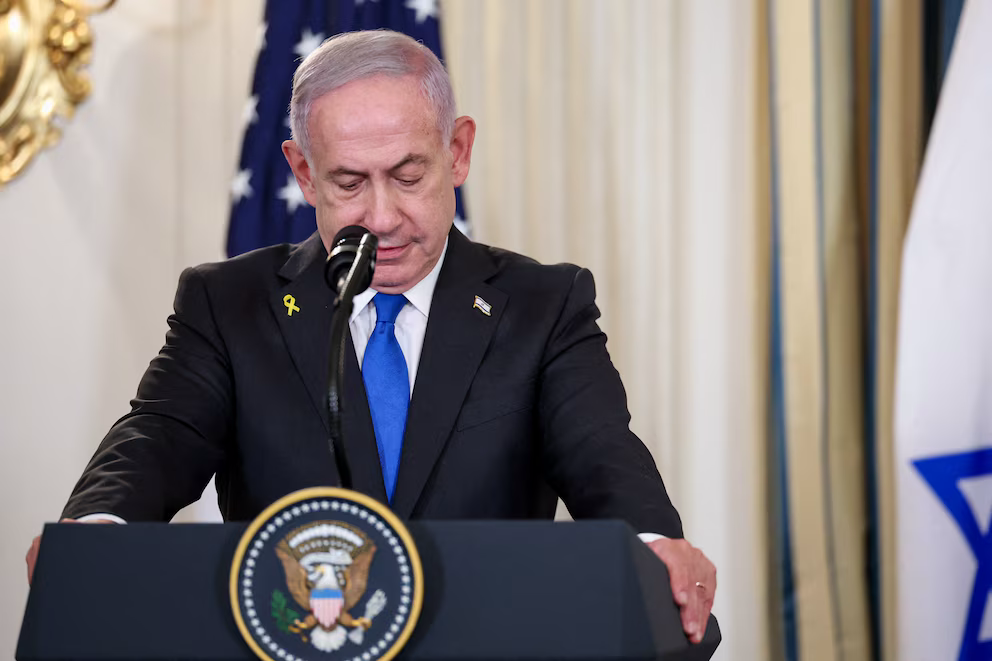
Whether Trump’s words will translate into concrete action remains uncertain. Threats of overwhelming force have been a feature of American foreign policy before, but they are not always followed by direct intervention. Much will depend on Hamas’s internal deliberations, the stance of regional actors, and the willingness of Washington and Jerusalem to back their rhetoric with decisive measures.
What is clear is that the stakes have never been higher. The outcome of this standoff will shape not only the future of Gaza but also the broader strategic balance of the Middle East. Trump’s warning underscores the narrowing room for maneuver and the potential for catastrophic consequences if neither side is willing to compromise.
Beyond the news, the pattern. / Más allá de la noticia, el patrón.