

 Mario López Ayala, PhD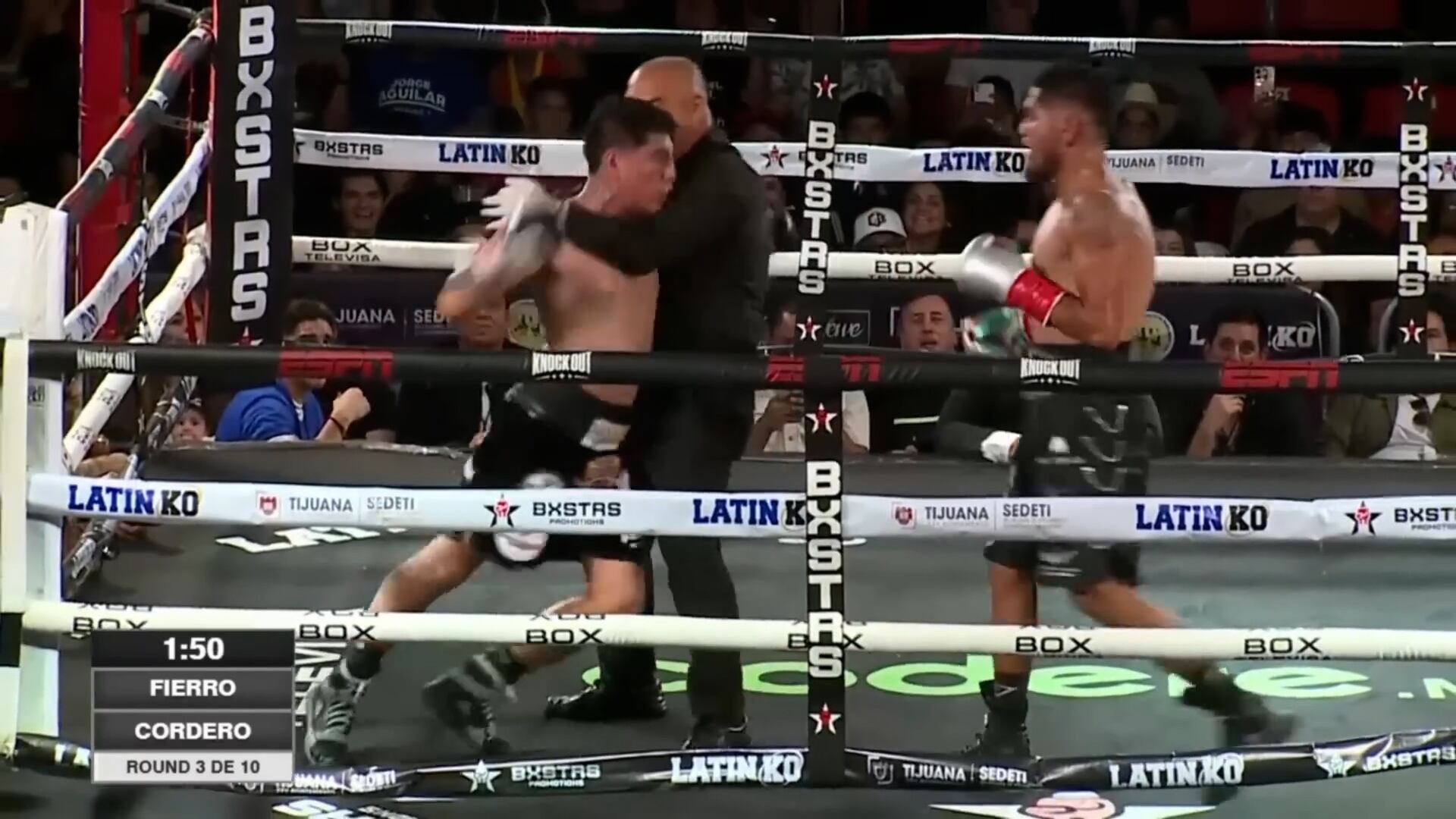
A single act of fury turns a professional bout into a cautionary tale about discipline, control, and the thin line between sport and spectacle.
Tijuana, October 2025
A professional super-lightweight fight in Tijuana erupted into chaos when one of the fighters, overwhelmed by anger and frustration, kicked his opponent during the third round, bringing the match to an abrupt and controversial end. What had begun as a promising clash between two rising contenders quickly devolved into a scene that shocked spectators, infuriated officials, and reignited debates about conduct and sportsmanship in combat sports.
The match between Mexican fighters Abraham Cordero and Ángel Fierro was expected to be a balanced contest, with both boxers coming into the ring in strong form and confident of victory. Cordero, known for his technical precision and tactical patience, controlled the opening rounds by maintaining distance and dictating the rhythm with crisp combinations and calculated footwork. Fierro, by contrast, struggled to break through his opponent’s defense and appeared increasingly agitated as the fight progressed.
The tension boiled over in the third round. After the referee ordered a brief pause to separate the fighters during a clinch, Fierro charged forward aggressively, launching a flurry of punches in an attempt to shift momentum. When Cordero evaded the attack and countered with a sharp combination, Fierro’s composure finally cracked. In a moment that stunned the crowd and left even his corner speechless, he threw a kick that landed squarely on Cordero’s midsection, an illegal strike that immediately halted the fight.
Officials wasted no time intervening. The referee stepped in to stop the bout and, after a brief consultation with the ringside commission, disqualified Fierro on the spot. Medical staff entered the ring to attend to Cordero, who was momentarily winded but able to stand shortly afterward. The crowd, initially silent in disbelief, soon erupted in boos as the nature of the violation became clear. The result was recorded as a win for Cordero by disqualification, though the circumstances left a sour taste for both fighters and fans.

Incidents like this, while rare, serve as stark reminders of the psychological volatility that can surface in high-stakes combat sports. Boxing is as much a test of mental endurance as it is of physical skill. Fighters are expected to operate under extreme pressure, maintaining discipline even when frustration or anger threatens to boil over. When that control is lost, the consequences are swift and severe.
For Fierro, the repercussions could extend far beyond the loss itself. Disqualification for unsportsmanlike conduct carries heavy penalties, including potential suspensions, fines, and the loss of future fight opportunities. Promoters and sanctioning bodies view such behavior as a serious breach of the sport’s code, one that undermines the integrity of competition and endangers the safety of opponents. It is likely that boxing authorities in Mexico and beyond will review the incident and impose disciplinary measures that could affect his career trajectory.
Cordero, meanwhile, expressed disappointment at how the fight ended. Although he was declared the winner, he acknowledged that the result felt hollow after such an abrupt and unconventional conclusion. “I came here to fight, not to see the rules broken,” he told reporters after the match. “We train for months to prepare for a fair contest, and it is frustrating when something like this happens. But the rules are there for a reason, and the referee made the right call.”
The broader boxing community reacted swiftly. Veteran fighters, analysts, and commentators condemned Fierro’s behavior, emphasizing the importance of discipline in a sport that already carries significant risk. Many pointed out that emotional control is one of the core attributes that separates elite fighters from those who struggle to succeed at the highest level. Others argued that this incident should serve as a teaching moment for younger athletes, underscoring the importance of respecting the rules even in moments of frustration.
Beyond the immediate controversy, the incident reignited discussions about how boxing governs fighter conduct and how referees and officials manage escalating tensions inside the ring. While the sport’s rulebook is clear about penalties for illegal strikes, some experts suggest that increased emphasis on psychological preparation and mental health support for fighters could help prevent such incidents in the future. The ability to remain composed under pressure, they argue, should be treated as a fundamental part of a fighter’s training regimen, on par with physical conditioning and tactical planning.
The disqualification also raises questions about the impact of such incidents on public perception of the sport. Boxing has long fought to distance itself from the reputation of uncontrolled violence that plagued it in earlier eras, striving instead to present itself as a disciplined, regulated, and honorable competition. Incidents like the one in Tijuana threaten that progress by reinforcing negative stereotypes and providing fodder for critics who view the sport as dangerous and ungovernable.
In the end, the message from the Tijuana bout is unmistakable. Boxing is a sport built on discipline, respect, and adherence to rules. When those foundations are ignored, the spectacle collapses and what was meant to be a demonstration of skill becomes a cautionary tale. Fierro’s moment of fury cost him not only the match but potentially a significant part of his professional reputation. It also reminded fighters everywhere that self-control is not optional — it is an integral part of the craft.
Against propaganda, memory. / Contra la propaganda, memoria.