

 Phoenix 24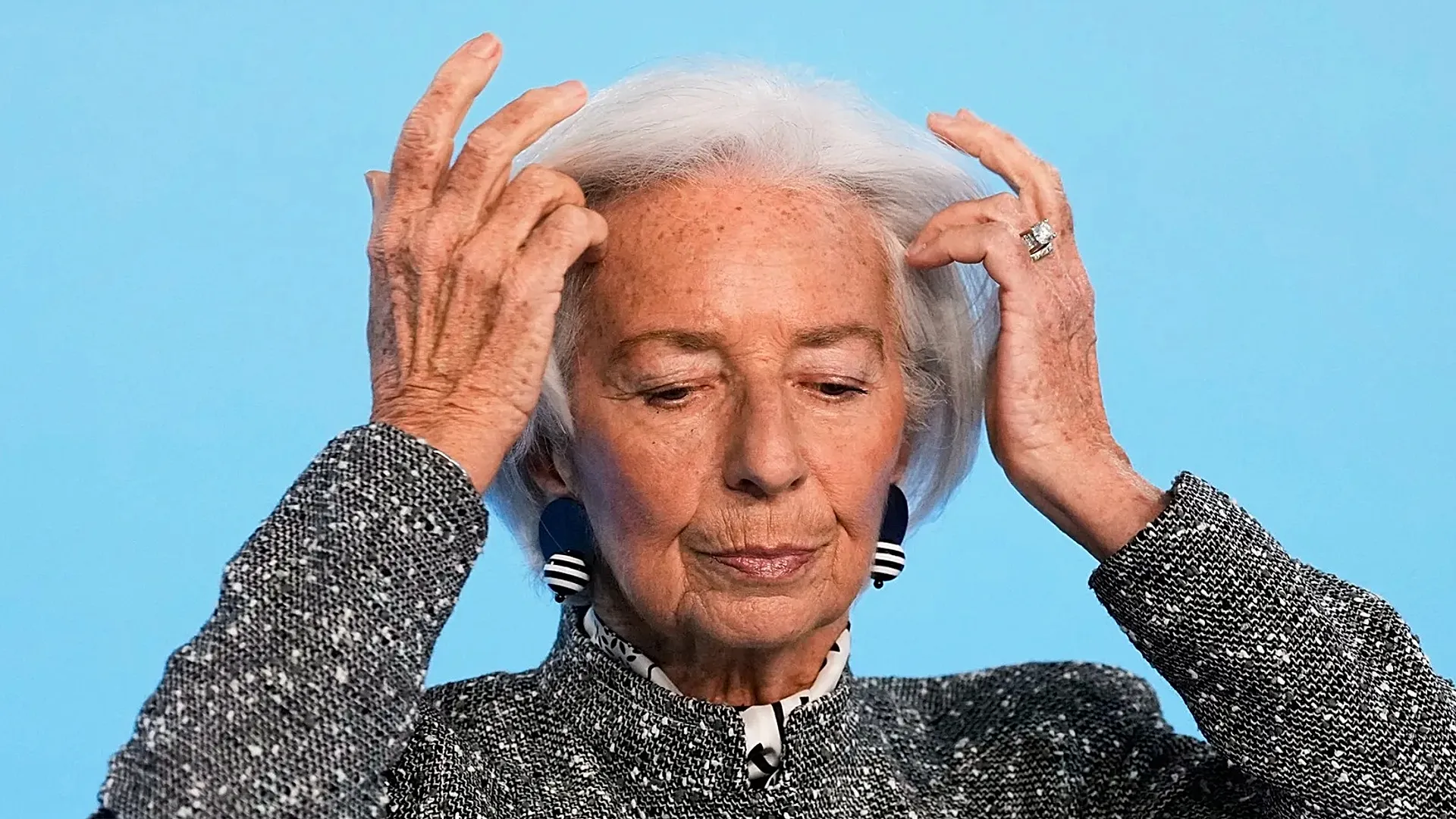
Inflation returns through the energy channel.
Frankfurt, April 2026. The European Central Bank is entering one of its most uncomfortable policy moments since the inflation shock that followed the pandemic and the war in Ukraine. The war in Iran has complicated the expected path toward lower interest rates by weakening growth while keeping energy prices volatile. That combination places Frankfurt before a classic stagflationary trap: cut too soon and inflation may accelerate, wait too long and the economy may slow further.
Christine Lagarde has avoided offering a clear signal before the next rate decision, precisely because the crisis is difficult to measure. The conflict has moved through phases of war, ceasefire, negotiation, rupture, blockade and renewed pressure, making its economic effects unstable and hard to price. For a central bank built around credibility, that uncertainty is not background noise; it is now the core variable shaping policy.
The European problem is sharper because growth is already fragile. Major economies such as Germany and Italy have revised expectations downward, while higher energy costs are feeding pressure into production, transport and household budgets. In normal conditions, a weakening economy would strengthen the argument for lower rates, but this is not a normal slowdown. It is a slowdown contaminated by imported inflation.
That is why the ECB’s likely pause is more than a technical decision. Holding rates steady near current levels would signal that policymakers prefer caution over stimulus until they know whether the energy shock is temporary or persistent. The danger is that inflation driven by oil, gas and shipping costs may eventually spread into wages, services and broader price expectations. Once that happens, the central bank’s room for maneuver narrows.
The International Monetary Fund has already lowered its eurozone growth outlook, citing the effects of the conflict and warning that a prolonged crisis could keep energy risk premiums elevated. This matters because the eurozone does not control the geopolitical source of the shock. The ECB can influence credit conditions, but it cannot reopen maritime routes, reduce war risk, or stabilize energy markets through monetary policy alone.
That limitation exposes the institutional weakness of central banking in a geopolitical economy. Interest rates are blunt instruments when inflation comes from disrupted supply, military escalation and risk premiums embedded in global energy flows. Raising or holding rates may protect credibility, but it can also deepen pressure on firms and consumers. Cutting rates may support demand, but it risks looking irresponsible if inflation is still being imported through energy.
The Federal Reserve and the Bank of England face related dilemmas, though from different starting points. The United States has shown stronger domestic resilience, but inflation has also remained stubborn under the pressure of energy prices. The United Kingdom remains vulnerable because weak growth and expensive imports create a similar policy squeeze. Across the Atlantic system, the old expectation of synchronized rate cuts has been replaced by meeting-by-meeting caution.
Markets understand this shift. Investors are no longer watching only the rate decision itself; they are watching language, tone and sequencing. A pause may matter less than whether policymakers suggest patience, fear, flexibility or renewed restriction. In this environment, a single phrase from Lagarde, Jerome Powell or the Bank of England can move expectations across bonds, currencies and equities.
For Europe, the deeper strategic concern is that monetary policy is being forced to absorb geopolitical risk that fiscal and energy policy have not fully contained. The continent has invested heavily in diversification since the Russian energy shock, but the Iran war shows that energy vulnerability can return through different corridors. The Strait of Hormuz, maritime insurance, LNG markets and oil futures now operate as external inputs into European inflation. That means the eurozone’s price stability depends partly on events far beyond Brussels or Frankfurt.
This is where the economic story becomes a governance story. If Europe wants lower inflation and lower rates, it needs more than central bank discipline. It needs energy resilience, strategic reserves, infrastructure redundancy and faster coordination between fiscal policy, industrial policy and security policy. Otherwise, every geopolitical shock will return as a monetary dilemma.
The ECB’s predicament also carries political consequences. Higher rates for longer can weaken investment, pressure mortgage holders and intensify dissatisfaction in economies already facing industrial stress. Yet inflation itself is politically corrosive, especially when households see fuel, electricity and food prices rise faster than wages. The central bank is therefore defending price stability inside a social environment that has little patience left for abstract explanations.
The risk of stagflation is not that Europe immediately enters a 1970s-style crisis. The risk is more subtle: low growth, high uncertainty, sticky inflation and delayed investment may become mutually reinforcing. Companies postpone expansion, consumers reduce spending, governments face tighter fiscal space and central bankers hesitate. That is how a geopolitical shock becomes an economic mood.
The next ECB meeting will therefore be read as a test of institutional judgment. A hold would not mean confidence; it would mean caution under conditions of limited visibility. A cut would suggest that policymakers fear recession more than inflation. A more restrictive message would indicate that the energy shock has become too dangerous to ignore.
For now, the most likely outcome is strategic patience. The ECB will wait for clearer evidence on whether Iran-related energy volatility is fading or embedding itself into Europe’s price structure. But waiting is not neutral. In a fragile economy, delay has costs, and in an inflationary environment, action has risks.
Europe is discovering that the path back to normal rates is no longer controlled only by domestic data. It now runs through war, energy corridors and the credibility of institutions operating under pressure. The central bank can manage expectations, but it cannot command the geopolitical weather. That is the new monetary reality: price stability has become a battlefield far beyond the walls of Frankfurt.
Detrás de cada dato, hay una intención. Detrás de cada silencio, una estructura.