

 Phoenix 24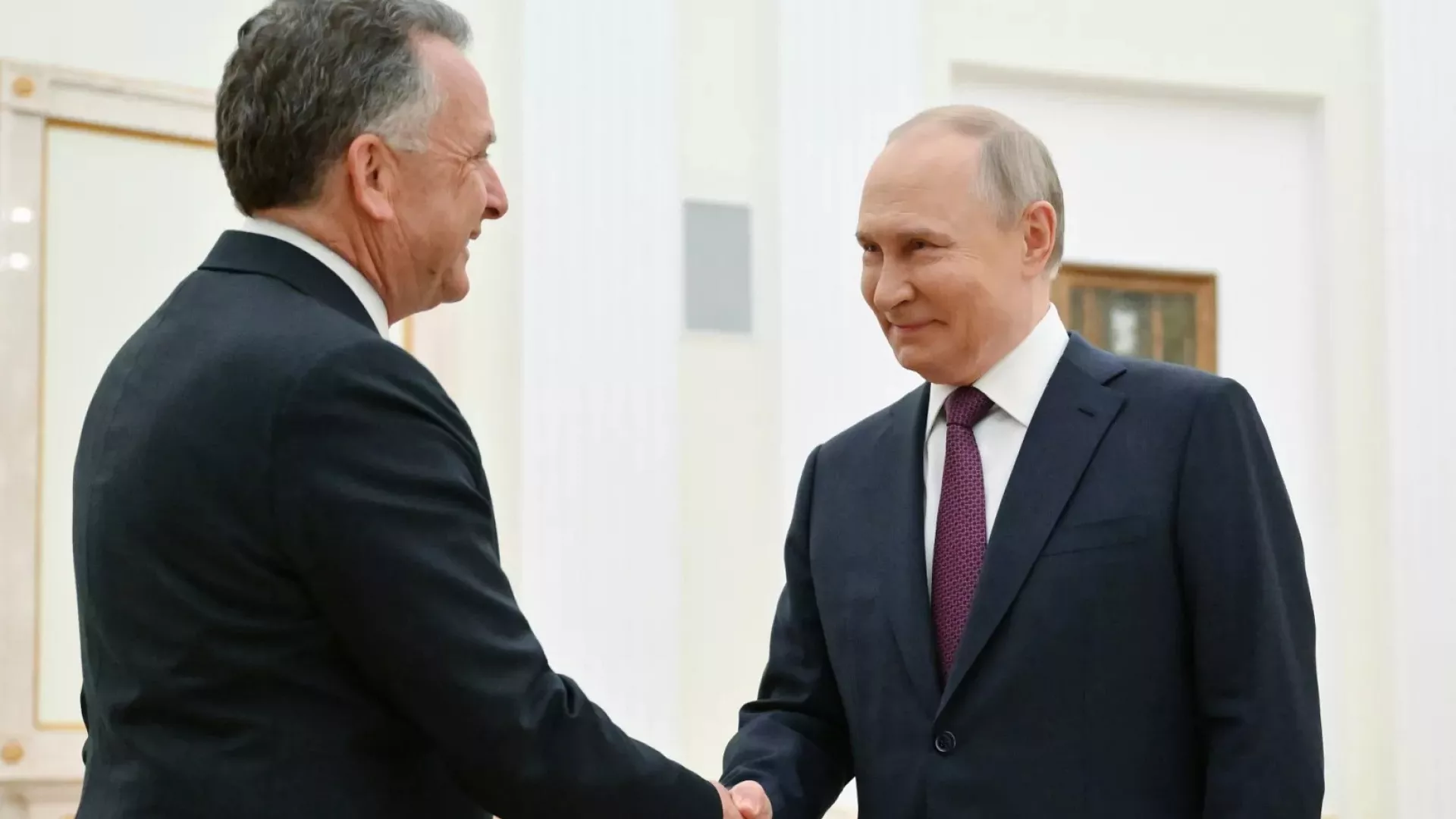
When diplomacy turns urgent, every envoy becomes a lifeline — or a test.
Washington / Moscow, August 4, 2025 — U.S. President Donald Trump has sent his special envoy Steve Witkoff to Moscow this week—just days before a hard deadline for Russia to agree to a ceasefire or face sweeping U.S. sanctions. The visit, likely to take place between August 6 and 7, precedes the August 8 cutoff Trump announced for implementing secondary tariffs on Russian energy partners, including China and India.
Witkoff, serving as Trump’s envoy for both the Middle East and Russia, previously met with President Vladimir Putin in April, amid criticism that he had relied on Kremlin translators and echoed Moscow’s framing of the conflict. Despite the scrutiny, Trump described Russia as “wily characters… pretty good at avoiding sanctions,” suggesting that Witkoff’s mission might represent a final opportunity for a tactical pause in hostilities before economic retaliation is triggered.
Kremlin spokesman Dmitry Peskov welcomed the envoy’s visit, calling the dialogue “important, substantive and very useful,” and did not rule out the possibility of a direct meeting with Putin. Yet Russian officials continue to hold firm: public messaging remains anchored in maximalist objectives, including recognition of the occupied territories in eastern Ukraine and the legitimization of Russia’s territorial claims.
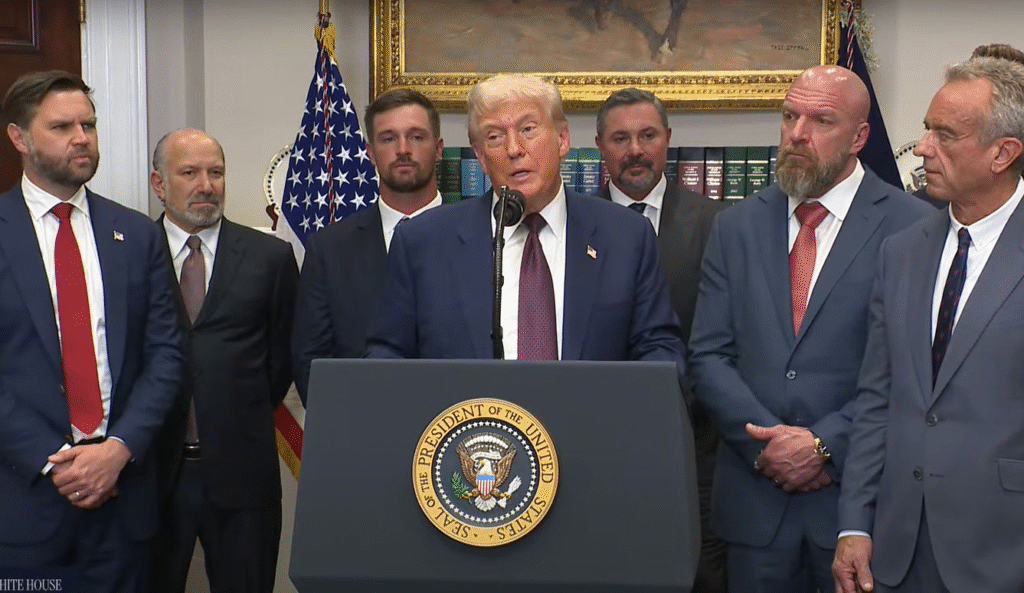
In Kyiv, hopes for breakthrough diplomacy are muted. Ukrainian officials, while skeptical, see the visit as a sign of renewed American pressure. President Volodymyr Zelenskyy’s chief of staff, Andriy Yermak, praised the shortened ultimatum—from an original 50-day timeline to just 10—as proof that “America is serious,” and argued that Trump’s assertiveness in the past has forced Russian recalculations.
In a parallel show of force, the U.S. has repositioned two nuclear submarines near Russian maritime zones. The move came after incendiary social media threats by former Russian Security Council deputy chair Dmitry Medvedev, which were later dismissed by the Kremlin. Washington interpreted the signals as part of a broader psychological escalation, prompting the U.S. Navy’s strategic realignment.
Inside the Trump administration, however, divisions are becoming increasingly visible. Secretary of State Marco Rubio and Ukraine envoy Keith Kellogg have advocated for a tougher line against Russia, warning that backchannel diplomacy may be seen as a sign of weakness. Treasury and State Department officials are reportedly finalizing expanded sanctions packages in case Witkoff’s trip yields no tangible results.
For Moscow, the stakes are clear: failure to offer even symbolic concessions could further isolate Russia economically and politically. For Washington, the risk lies in the credibility of the Trump Doctrine—where aggressive negotiation is expected to preclude military confrontation.
Witkoff’s presence in Moscow is thus more than a courtesy call; it is a stress test of real-time diplomacy in a geopolitical landscape where alliances, markets, and military postures are in flux.
If Witkoff succeeds, the result may be a fragile ceasefire, paving the way for broader negotiations before sanctions hit. If disruption ensues—whether through Russian intransigence or domestic backlash in the U.S.—sanctions will likely proceed, further straining ties with energy-dependent actors like India and China. But if third powers enter the fray—such as European capitals supporting stronger sanctions, or NATO allies ramping up arms shipments—the negotiation window may close entirely, accelerating confrontation.
This piece was developed by the Phoenix24 editorial team using reliable sources, public data, and rigorous analysis in alignment with the current global context.
Con esta nota el equipo editorial de Phoenix24 presenta un análisis basado en fuentes internacionales verificadas, investigación documental y contraste de hechos, manteniendo una postura independiente y contextualizada.