

 Phoenix 24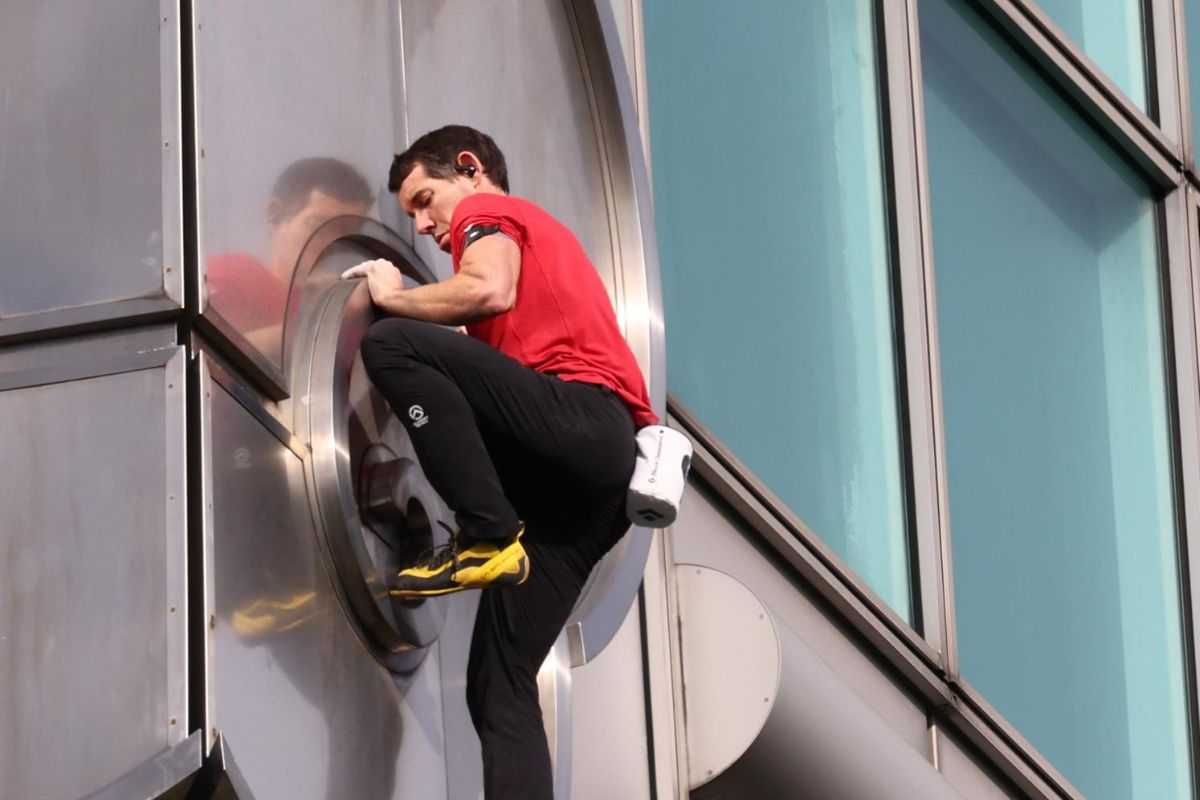
When fear is managed, gravity becomes a negotiation.
Taipei, January 2026. The skyline of Taiwan’s capital became the setting for one of the most audacious physical feats of the modern era as Alex Honnold completed a rope free ascent of the 508 meter Taipei 101 skyscraper. Without harness, safety line, or mechanical aid, the climber transformed one of the world’s most recognizable urban structures into a vertical arena of absolute precision, concentration, and irreversible consequence.
Unlike traditional rock faces, Taipei 101 presents a surface defined by glass, steel, and architectural rhythm rather than organic fissures or natural holds. Honnold’s ascent required a meticulous reading of the building’s exterior geometry, using structural seams, maintenance features, and minimal protrusions as points of progression. Every movement carried binary stakes. There was no margin for error, no redundancy, and no external rescue mechanism capable of intervening at such height.
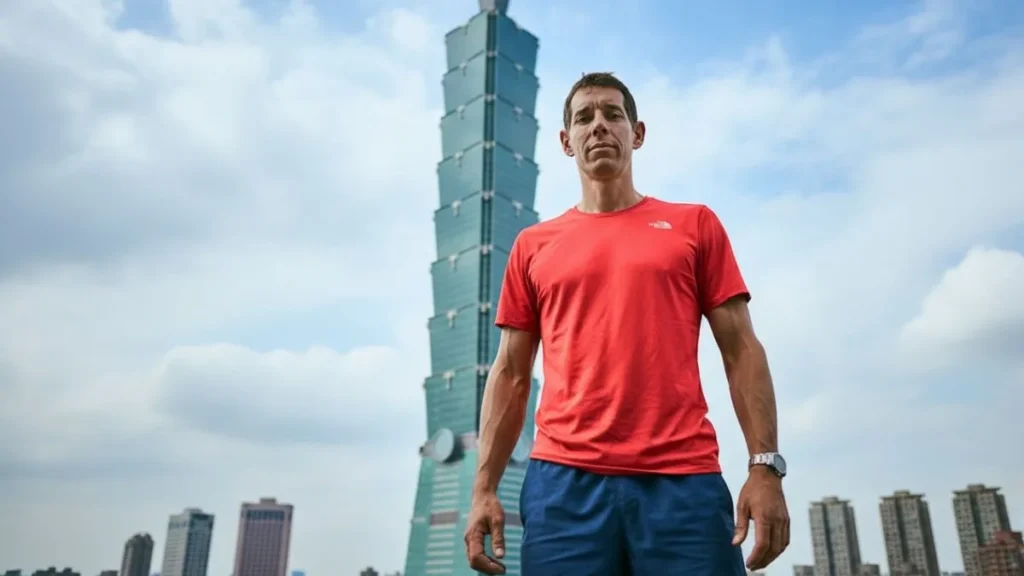
The climb unfolded under global attention, intensifying the psychological dimension of the act. Yet for Honnold, whose career has been defined by mastery over fear rather than its absence, the presence of cameras did not alter the internal logic of the ascent. His discipline relies on converting risk into calculation, breaking monumental exposure into a sequence of manageable decisions executed with controlled breathing and deliberate pacing.
This achievement extends a legacy that already reshaped the boundaries of climbing. Honnold’s previous free solo accomplishments in natural environments established him as an anomaly even among elite athletes. The transition from granite walls to a hyper engineered skyscraper marks a conceptual shift. The climb becomes not only a contest between human capability and gravity, but also a dialogue between the body and modern architecture. Steel and glass replace stone, yet the human requirement remains unchanged. Absolute control.
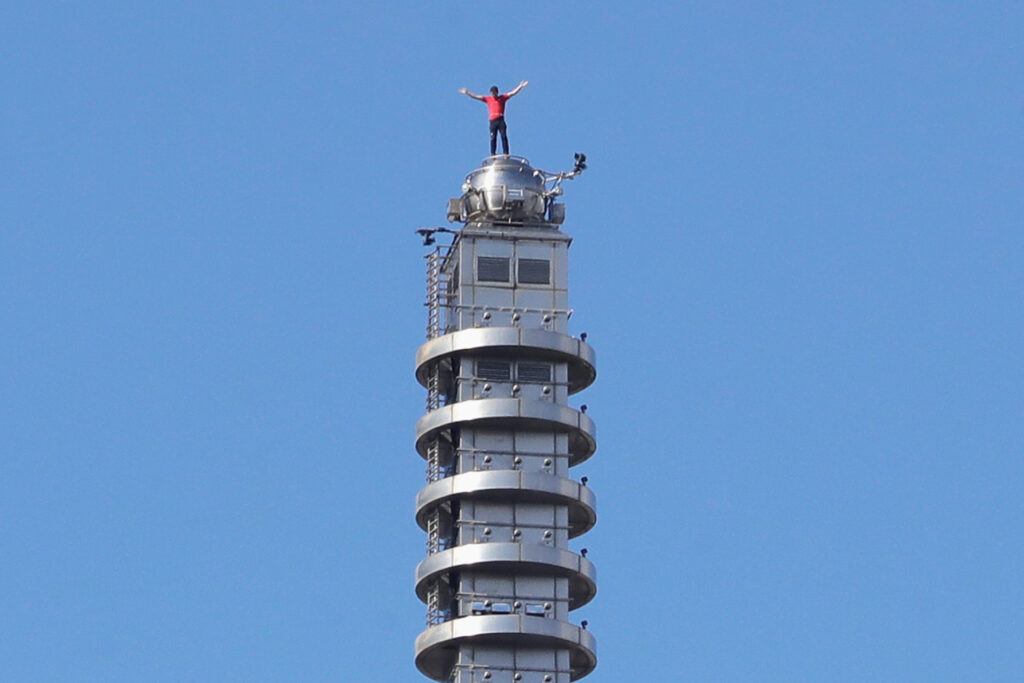
Taipei 101 itself carries symbolic weight. Once the tallest building in the world, it represents economic ambition, technological confidence, and national visibility. By ascending it without protection, Honnold temporarily redefined its meaning. The structure ceased to be merely an emblem of vertical modernity and became a canvas for human vulnerability and resolve. For spectators below, the ascent inverted the usual relationship between city and individual. The climber dominated the skyline rather than being dwarfed by it.
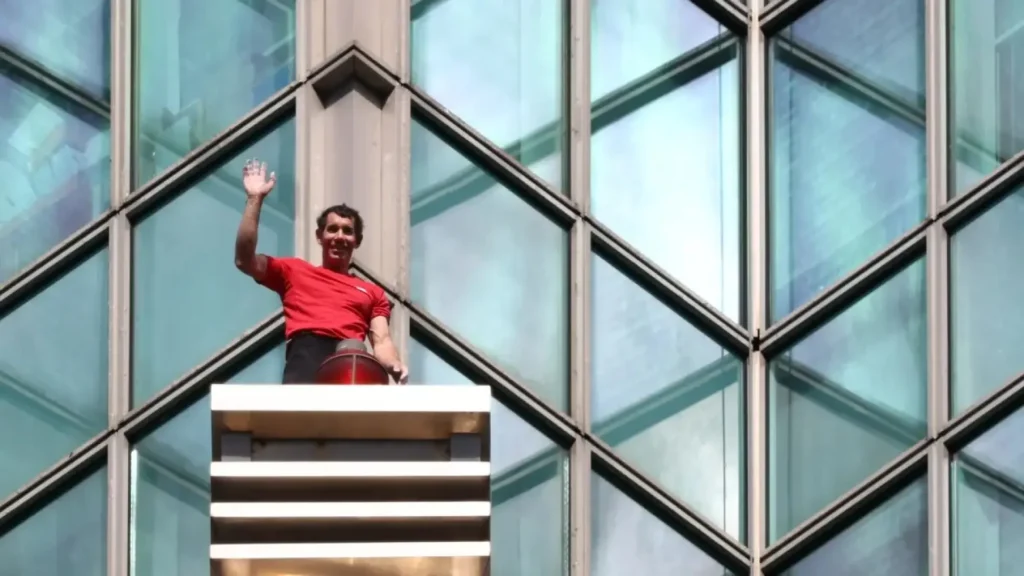
The cultural resonance of the climb extends beyond sport. In an era characterized by simulation, mediation, and digital buffering, free solo climbing stands apart as an uncompromising assertion of physical reality. There is no algorithmic correction, no second attempt, no safety abstraction. Each decision exists only once. This is precisely what draws both admiration and discomfort. The feat inspires awe while confronting observers with the uncomfortable proximity of mortality.
Critics question the ethics of broadcasting such risk, arguing that visibility can encourage imitation without equivalent preparation. Supporters counter that Honnold’s discipline is not replicable through spectacle alone and that his transparency about preparation, limits, and responsibility mitigates reckless interpretation. What remains undeniable is that the climb provoked a global conversation about where admiration ends and unease begins.
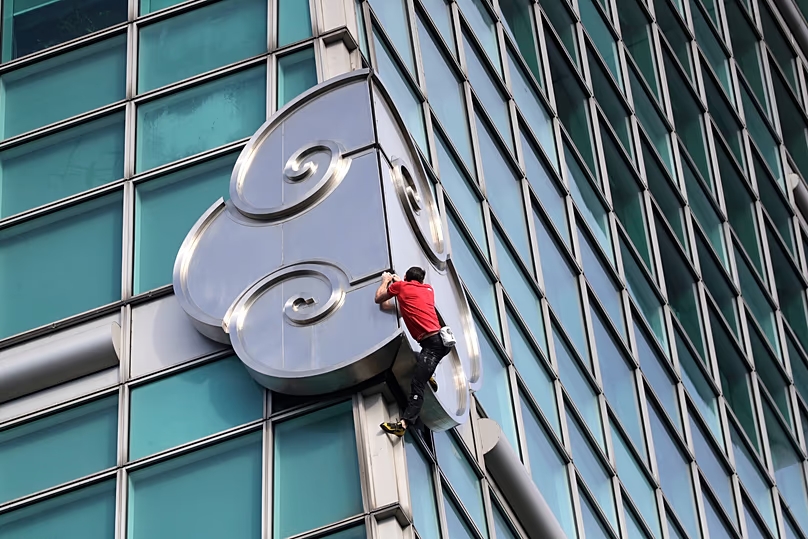
Psychologically, the ascent underscores an uncommon cognitive architecture. Free solo climbing demands an ability to suppress panic responses while maintaining heightened situational awareness. Honnold’s performance suggests a rare alignment between neural regulation, muscular memory, and environmental perception. Fear is not eliminated but compartmentalized, converted into a background signal rather than a governing force.
From a broader cultural perspective, the event reflects a tension between controlled societies and uncontrolled acts. Modern life increasingly prioritizes safety protocols, risk management, and predictive systems. Against that backdrop, an individual choosing to engage gravity without protection appears almost subversive. The climb resists optimization. It cannot be made safer without ceasing to be what it is.
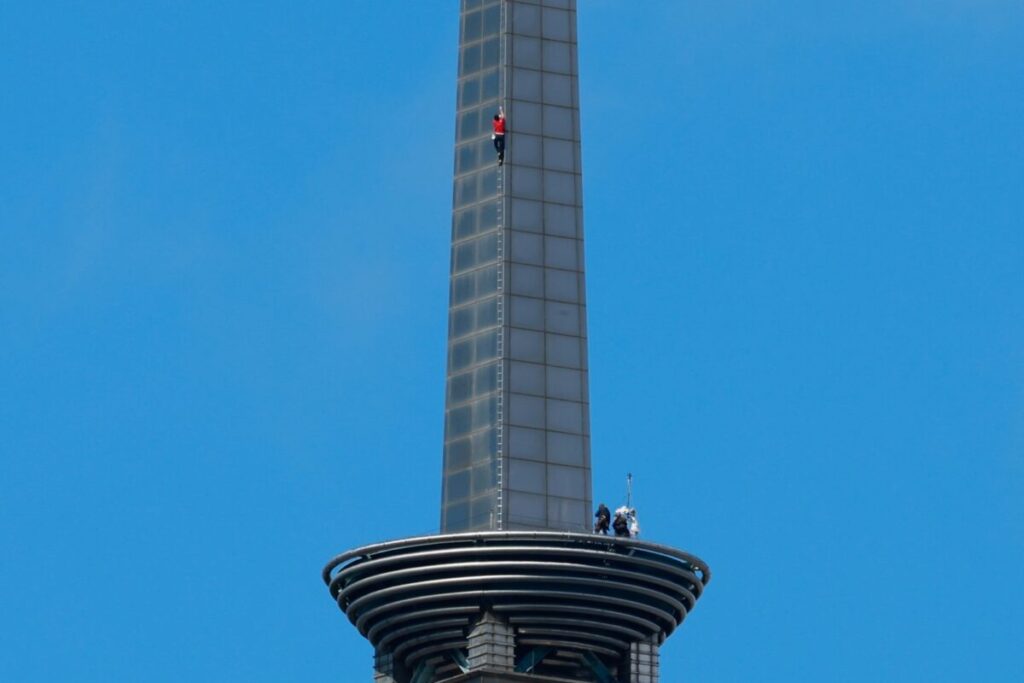
As Honnold reached the summit, the moment carried no triumphant theatrics. The stillness at the top reflected the ethos of the ascent itself. Success was not spectacle but completion. The building remained. The city continued. The climber descended by conventional means, leaving behind no physical trace, only a recalibration of what observers believed possible.
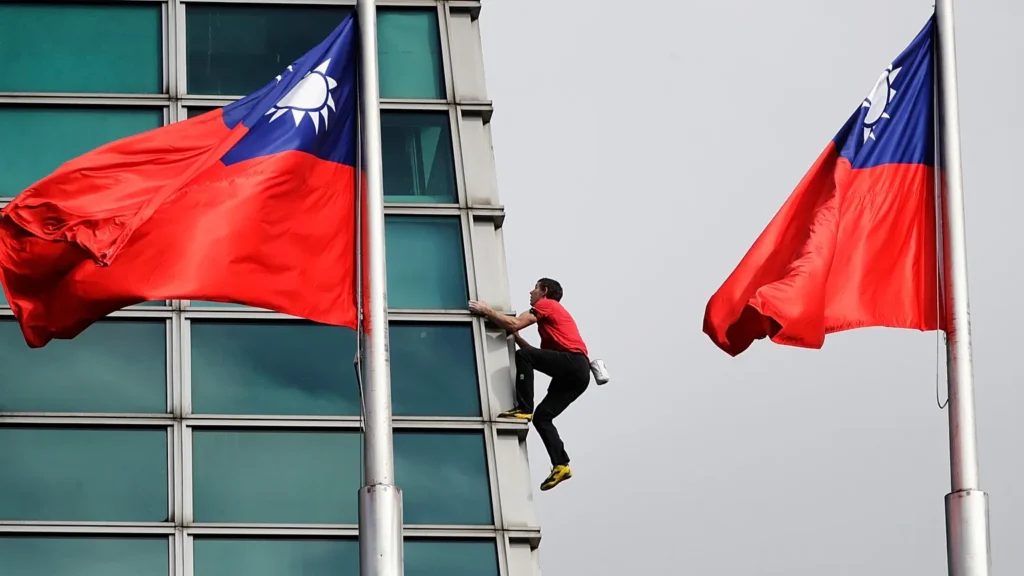
The ascent of Taipei 101 will endure not because it was dangerous, but because it was deliberate. In a world saturated with managed risk, it presented an uncompromising encounter between human intention and vertical reality.
Behind every data point, there is an intention. Behind every silence, a structure.
Detrás de cada dato, hay una intención. Detrás de cada silencio, una estructura.