

 Phoenix 24
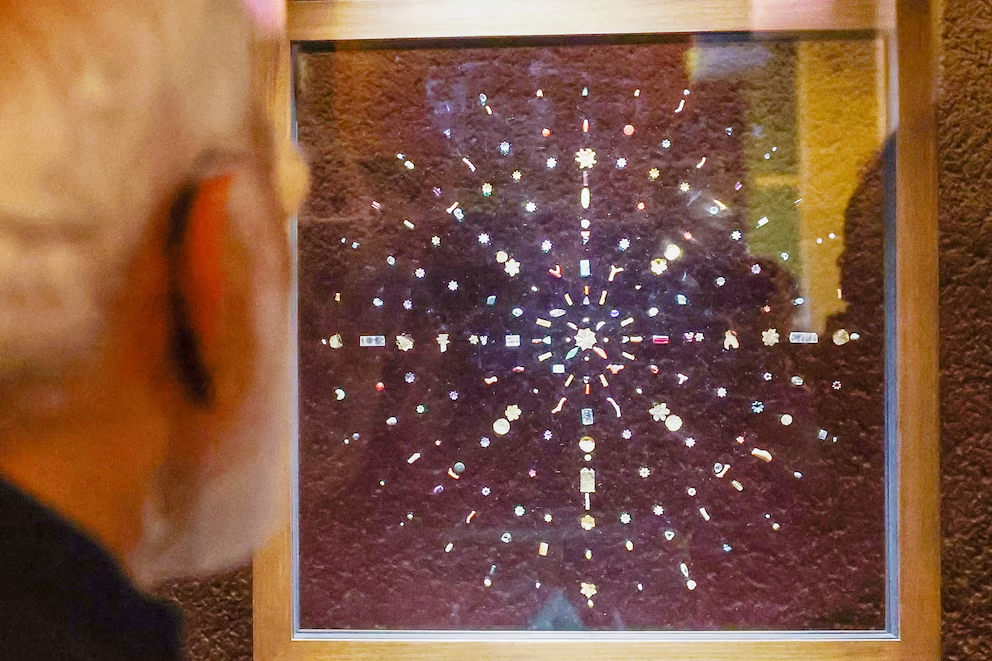
The repatriation of these revered artifacts marks a significant moment in cultural heritage and international cooperation.
New Delhi, India.
After more than a century abroad, the sacred gems associated with the legacy of Buddha have been returned to India, concluding a long journey and symbolizing renewed emphasis on cultural patrimony and historical continuity. These artifacts, considered sacred by many Buddhist communities, were originally removed from the subcontinent more than 127 years ago and have since resided in collections outside India. Their repatriation follows negotiations between cultural authorities, diplomatic representatives and heritage institutions, reflecting broader global efforts to address historical dispersal of culturally significant objects.
The gems are deeply connected to Buddhist traditions and rituals, and their presence in India holds both spiritual and historical significance. For scholars and practitioners, the return represents more than physical relocation; it embodies a symbolic restoration of a tangible connection to the origins of one of the world’s major religious and philosophical traditions. Ceremonies accompanying the handover emphasized reverence, continuity and the importance of safeguarding heritage that has shaped centuries of spiritual practice across Asia and beyond.
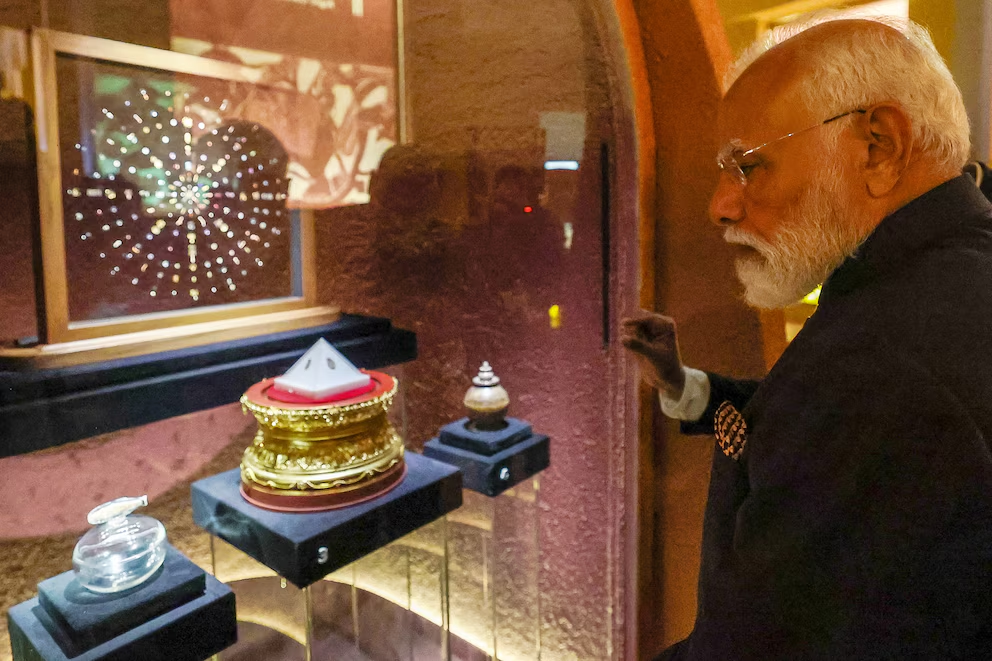
The process of repatriation involved legal, ethical and diplomatic considerations, as Indian authorities worked with their counterparts in the countries where the gems had been housed. Agreements of this nature typically require careful documentation of provenance, assurances of conservation capability and mutual recognition of the artifacts’ importance to living cultural communities. The successful transfer underscores growing international consensus on the value of returning heritage objects to their places of origin, particularly when they hold profound cultural meaning for descendant populations.
Upon arrival in New Delhi, the gems were received by government officials, religious leaders and representatives of Buddhist organizations. Statements issued during the reception highlighted the shared stewardship of cultural heritage and the role of such artifacts in fostering understanding across religious and national boundaries. The presence of the sacred gems in India is expected to strengthen cultural tourism, academic research and interfaith dialogue, contributing to a broader appreciation of India’s historical role in the development of Buddhism.
The return of the sacred gems also reflects evolving perspectives on how museums and collections around the world engage with source communities. In recent years, institutions have increasingly participated in discussions about restitution, ethical acquisition and collaborative curation, acknowledging that heritage objects often carry meanings that extend beyond aesthetic or historical value. The repatriation of the Buddha gems fits within this context of rethinking historical legacies and affirming respect for cultural origins.
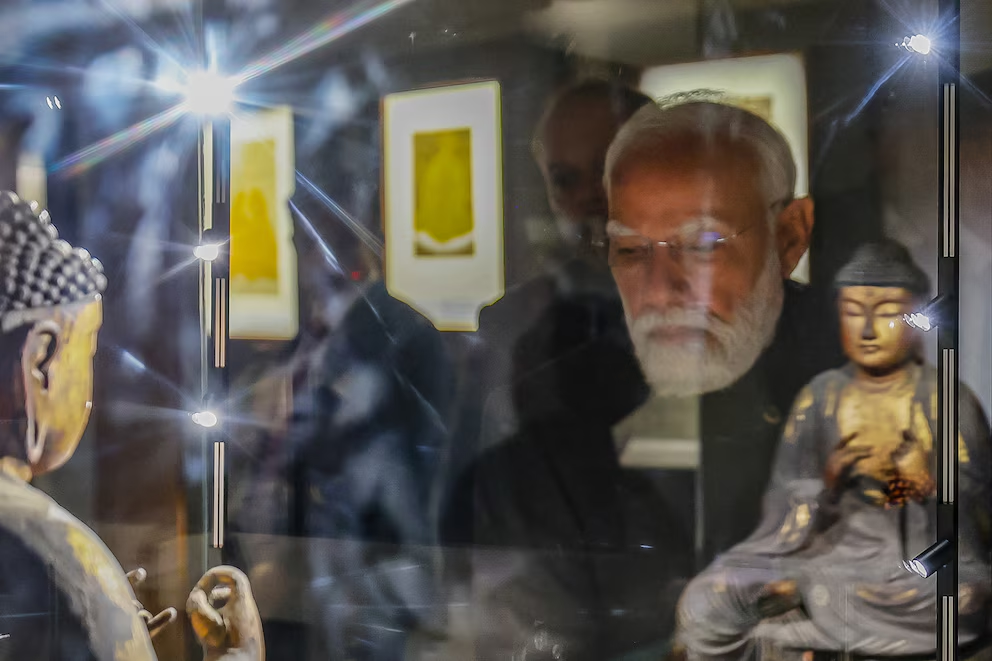
For India, the restoration of these artifacts aligns with ongoing initiatives to preserve and promote the country’s rich cultural and religious history. Government programs focusing on heritage conservation have emphasized the protection of archaeological sites, manuscripts and sacred objects, recognizing their role in shaping national identity and collective memory. The arrival of the gems adds a new dimension to these efforts, inviting renewed public engagement with narratives that span millennia.
Religious leaders and community elders present at the reception underscored the spiritual resonance of the gems, describing them as embodiments of teachings that continue to inspire ethical reflection and contemplative practice. Their return is seen as an opportunity to reaffirm the values associated with Buddhist traditions, including compassion, mindfulness and the pursuit of understanding. These themes were echoed in speeches and public remarks that accompanied the formal handover, situating the event within living cultural practice rather than solely historical commemoration.
The academic community has also welcomed the development, noting that access to the gems will facilitate research into early Buddhist art, ritual practice and the circulation of sacred objects across ancient trade and pilgrimage routes. Scholars anticipate that study opportunities will generate new insights into how religious artifacts functioned within historical contexts, enriching contemporary understanding of cultural transmission and continuity.
While the repatriation of the sacred gems of Buddha addresses a chapter of historical displacement, it also opens pathways for future collaboration between India and international partners on cultural heritage matters. Ongoing dialogue about restitution, preservation and shared access to heritage continues to shape how nations and communities relate to the material traces of human history.
Detrás de cada dato, hay una intención. Detrás de cada silencio, una estructura.
Behind every data point, there is an intention. Behind every silence, a structure.