

 Phoenix 24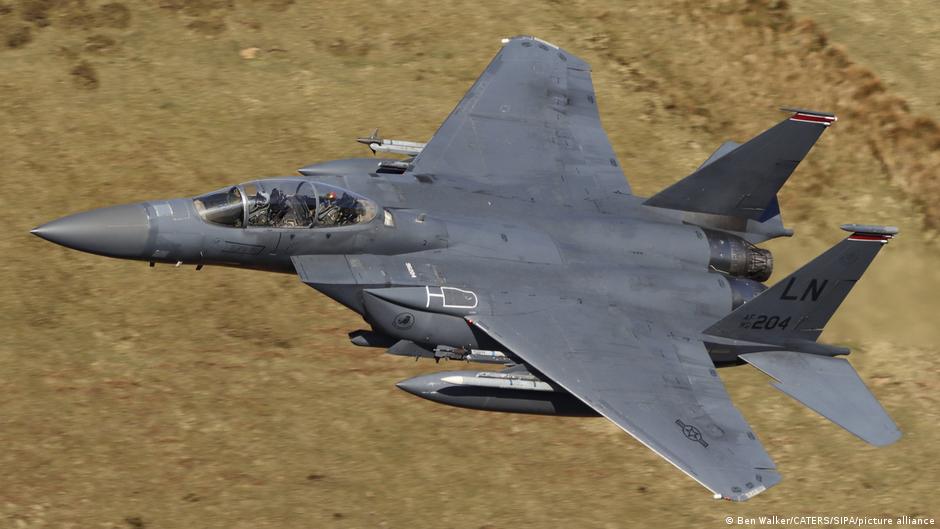
Rescue now overlaps with regional fracture.
Beirut, April 2026
The search for a missing American pilot has become one of the most dangerous symbols of the current U.S.-Iran war. After a U.S. combat aircraft was brought down over Iranian territory, one crew member was recovered while another remained missing, turning the rescue effort into a live contest between American recovery operations and Iranian attempts to locate the pilot first. That is what gives the episode its political weight. A missing airman in enemy space is never just a battlefield detail; it is a pressure point that can rapidly reshape the tempo, rhetoric and risk tolerance of the entire conflict.
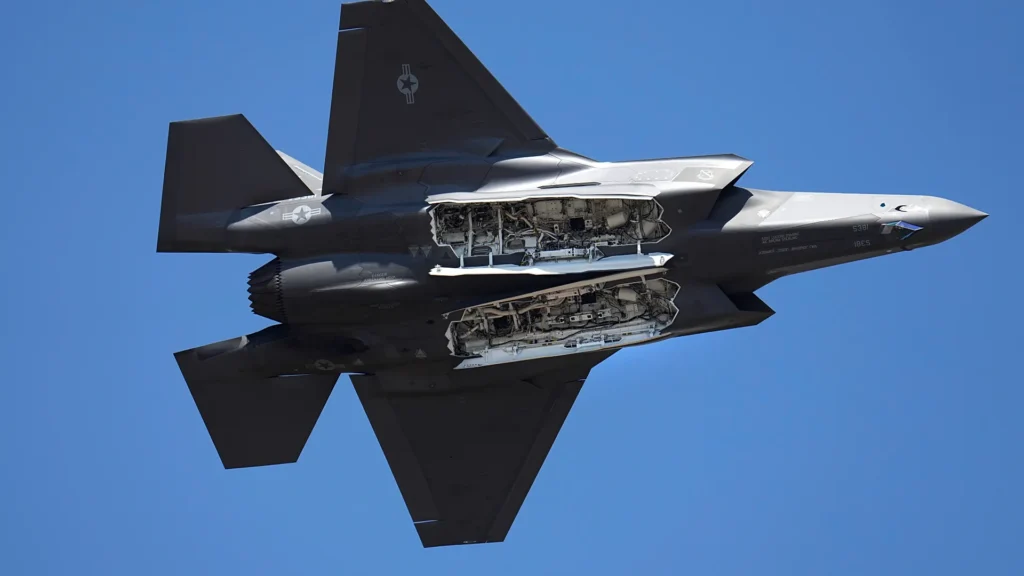
What makes the moment even more combustible is that the search is unfolding alongside a widening regional crisis. As Washington and Tehran scramble around the downing, Lebanon is facing renewed Israeli military pressure, including evacuation warnings and intensified strikes tied to the broader war environment. This overlap matters because it shows how no front is now fully separate from another. A rescue mission over Iran, Israeli operations in Lebanon and regional deterrence messaging are increasingly folding into the same strategic theater.
The missing pilot also exposes a deeper military truth that official triumphal language often tries to obscure. Whatever claims of air superiority may have been made earlier in the war, the downing of U.S. aircraft and the difficulties surrounding the rescue effort suggest that Iran retains enough defensive capacity to impose real costs. Once aircraft start falling and recovery missions themselves come under threat, the war stops looking like a one-directional campaign. It begins to look more like a conflict in which vulnerability has returned to actors who expected technological dominance to shield them from this kind of humiliation.
There is a political reason these episodes resonate so strongly. Capturing or recovering a pilot is never only about one individual. It carries symbolic power, operational intelligence value and domestic narrative consequences all at once. For the United States, recovering the missing crew member is about military obligation, deterrent credibility and avoiding the spectacle of helplessness. For Iran, finding that pilot first would represent a propaganda victory with immediate strategic value, especially in a war where perception is already shaping diplomacy as much as firepower is shaping the battlefield.
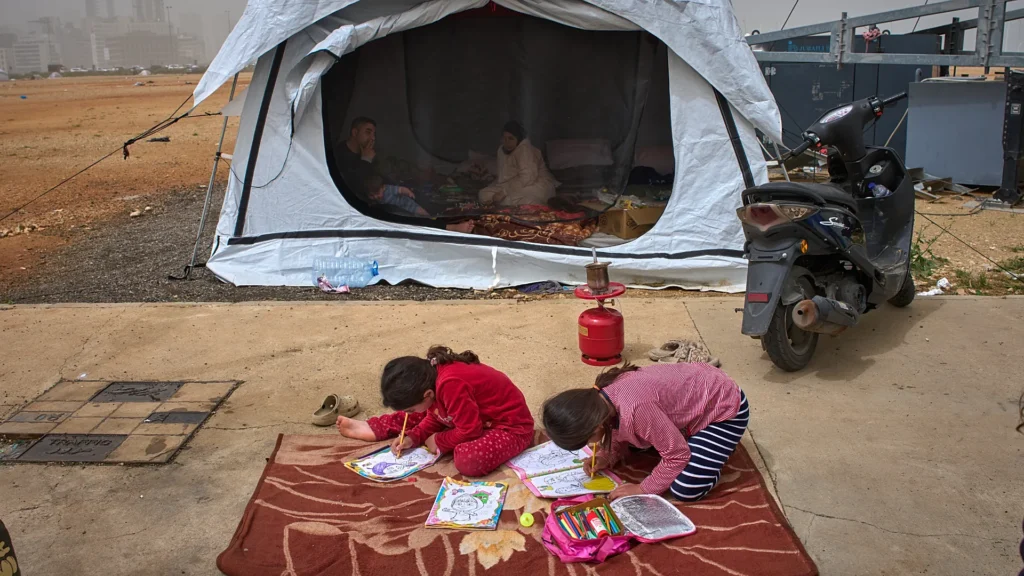
Lebanon’s place in this story is equally revealing. The country is once again being pulled deeper into a regional confrontation not because it controls the pace of escalation, but because it sits inside the spillover path of larger powers and allied armed actors. Israeli pressure there is not occurring in a vacuum. It forms part of a wider effort to contain, punish and preempt threats linked to the Iran-centered war environment. In practical terms, that means Lebanon is being forced to absorb consequences generated elsewhere while still paying in displacement, fear and infrastructural strain.
The broader pattern is unmistakable. This is no longer a war that can be read through isolated incidents, separate fronts or clean geographic boundaries. A downed aircraft over Iran, a missing pilot under active pursuit and intensified strikes in Lebanon all point to the same reality: the conflict is becoming more entangled, more symbolic and more dangerous with each passing day. When rescue, retaliation and regional spillover begin to merge, escalation no longer moves in straight lines.
The visible and the hidden, in context. / The visible and the hidden, in context.