

 Phoenix 24
Promises are easy, disbursements are political.
London, February 2026.
A global commitment to triple climate finance for developing countries is now being tested by an old constraint with a new face: fiscal retrenchment in donor capitals. The target was politically locked in through the UN climate process, with governments aligning around a pathway to reach $300 billion a year by 2035, but the pledge was never insulated from domestic budget cycles. In the United Kingdom, leaks and reporting have triggered fears of a cut in the next five year climate finance envelope, precisely when credibility is supposed to be compounding. The question is no longer whether the world can name a number, but whether it can defend the number when treasuries start tightening.
The alleged UK adjustment is blunt in its arithmetic and sharper in its symbolism. Ministers are reported to be preparing a reduction from £11.6 billion over the past five years to £9 billion over the next five, a drop that becomes more severe once inflation is accounted for, implying roughly a 40 percent loss in spending power since 2021. The government line is that it is “modernising” international climate finance to maximise impact and that it remains on track to deliver the current £11.6 billion pledge by the end of this financial year. It has not confirmed whether the next round will be smaller, which is exactly the kind of ambiguity that fuels distrust among recipient countries.
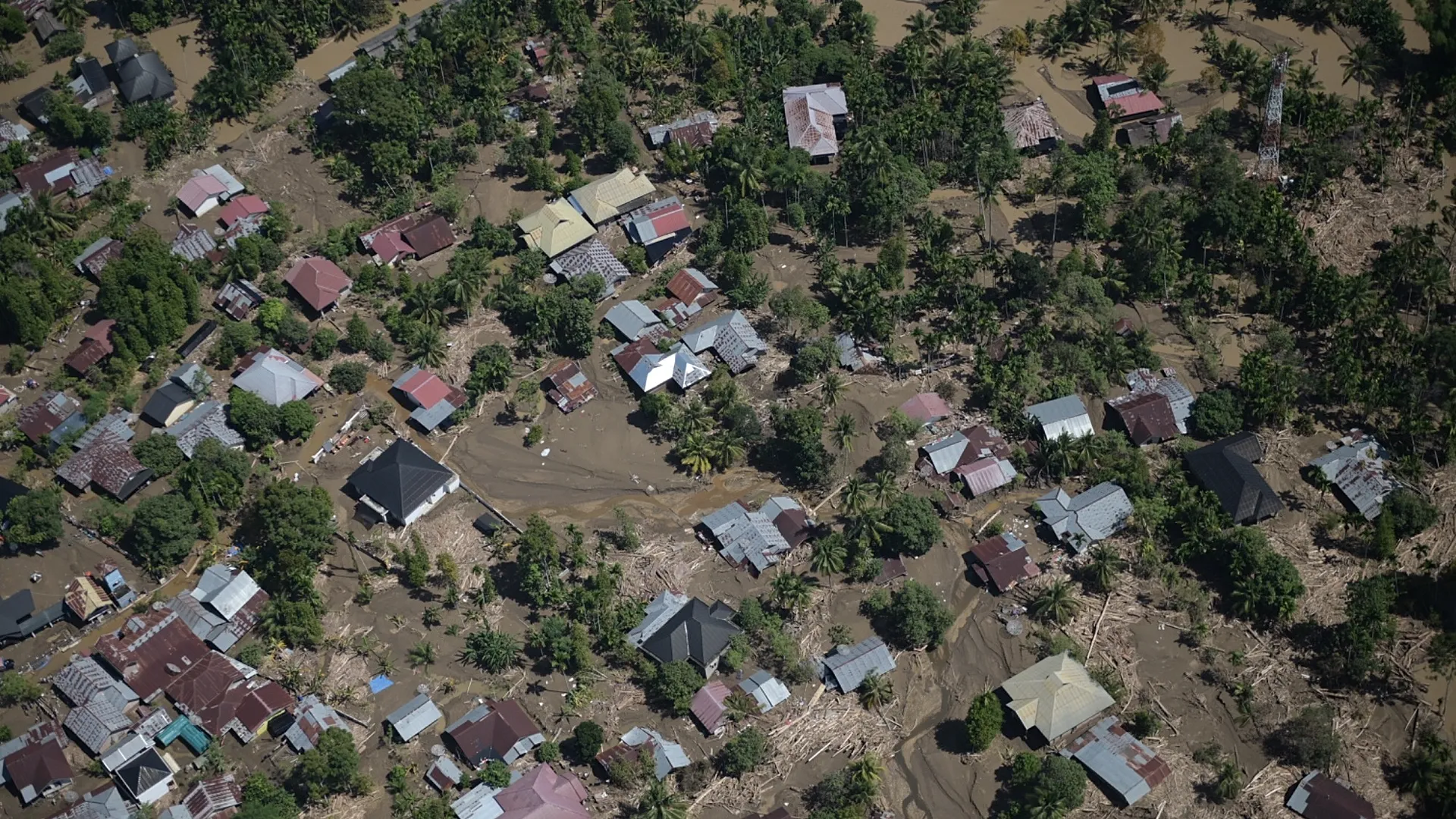
This tension matters because “tripling” is not a branding exercise, it is a systems requirement tied to adaptation needs that are already accelerating. Flood defences, drought resilient water systems, heat planning, early warning networks, and climate proof agriculture do not scale on rhetoric, they scale on predictable funding streams. At COP30, the language around tripling adaptation finance was reiterated, but the political energy to convert repetition into new commitments looked thin, and that gap is what makes any UK backtrack feel contagious. When one major donor softens its pledge, others discover permission to do the same while still claiming allegiance to the headline goal.
Inside the UK debate, critics have framed the potential cut as strategic self harm rather than benevolence deferred. The argument is not sentimental, it is transactional: the UK imports roughly two fifths of its food, much of it produced in regions exposed to heat, drought, and flooding, so foreign climate resilience is a domestic food security input. The Energy and Climate Intelligence Unit has warned that reducing support for adaptation abroad is likely to raise long run risks for UK households through price shocks and supply instability. In that framing, climate finance becomes insurance, and cancelling insurance rarely looks wise when the hazard curve is steepening.
That logic is echoed, unusually, by national security language that is now entering the climate finance conversation. A recent UK government document from DEFRA warned that ecosystem collapse threatens national security and prosperity, with risks spanning crop failures, intensified disasters, and infectious disease dynamics. It also highlighted how disruption in international markets can be exploited by organised crime when scarcity rises, and how scarcity can accelerate instability. This is a notable shift in tone because it treats climate and biodiversity as stress multipliers for governance, not as niche environmental issues.
The geopolitical subtext is equally direct: climate finance is influence, and influence rarely remains vacant for long. If UK funding becomes less predictable, recipient states will look for alternatives, and Beijing is increasingly positioned to offer climate linked financing that can deepen its relationships across the Global South. That does not mean Chinese finance is inherently malign, but it does mean it can reshape diplomatic dependence and negotiating coalitions inside UN forums. In practical terms, money buys presence, and presence buys agenda setting.
There is a credibility trap embedded in the UK messaging that deserves scrutiny. Governments often say they are “reforming” finance to focus on impact, which can be a legitimate goal, yet reforms can also become a language cover for smaller envelopes and looser definitions. If climate finance starts to rely on relabelling existing development programmes, the label becomes less meaningful and the trust deficit widens. Transparency then becomes the real asset, because without it, every pound is politically discounted by suspicion.
The wider system is watching because climate finance is one of the few bargaining chips that can stabilise multilateral cooperation amid fractured geopolitics. Developing countries are being asked to pursue cleaner growth while absorbing climate damages they did not primarily cause, and they increasingly tie their cooperation to funding that is reliable and non punitive. When a donor hints at retreat, the signal is read as a breach of reciprocity, not as a bookkeeping change. Reciprocity is the hidden currency of climate diplomacy, and once it devalues, negotiations become more adversarial and less productive.
What happens next will likely be decided in the most unglamorous arena of all: budget lines, accounting rules, and the political willingness to treat climate finance as strategic expenditure rather than discretionary charity. If the UK holds the line, it strengthens its claim to global leadership and reduces room for rivals to fill the gap. If it cuts, even with polished language, it will validate the suspicion that tripling pledges are performative under pressure. In climate governance, the future is often determined by whether promises survive contact with austerity.
Beyond the news, the pattern.
Más allá de la noticia, el patrón.