

 Phoenix 24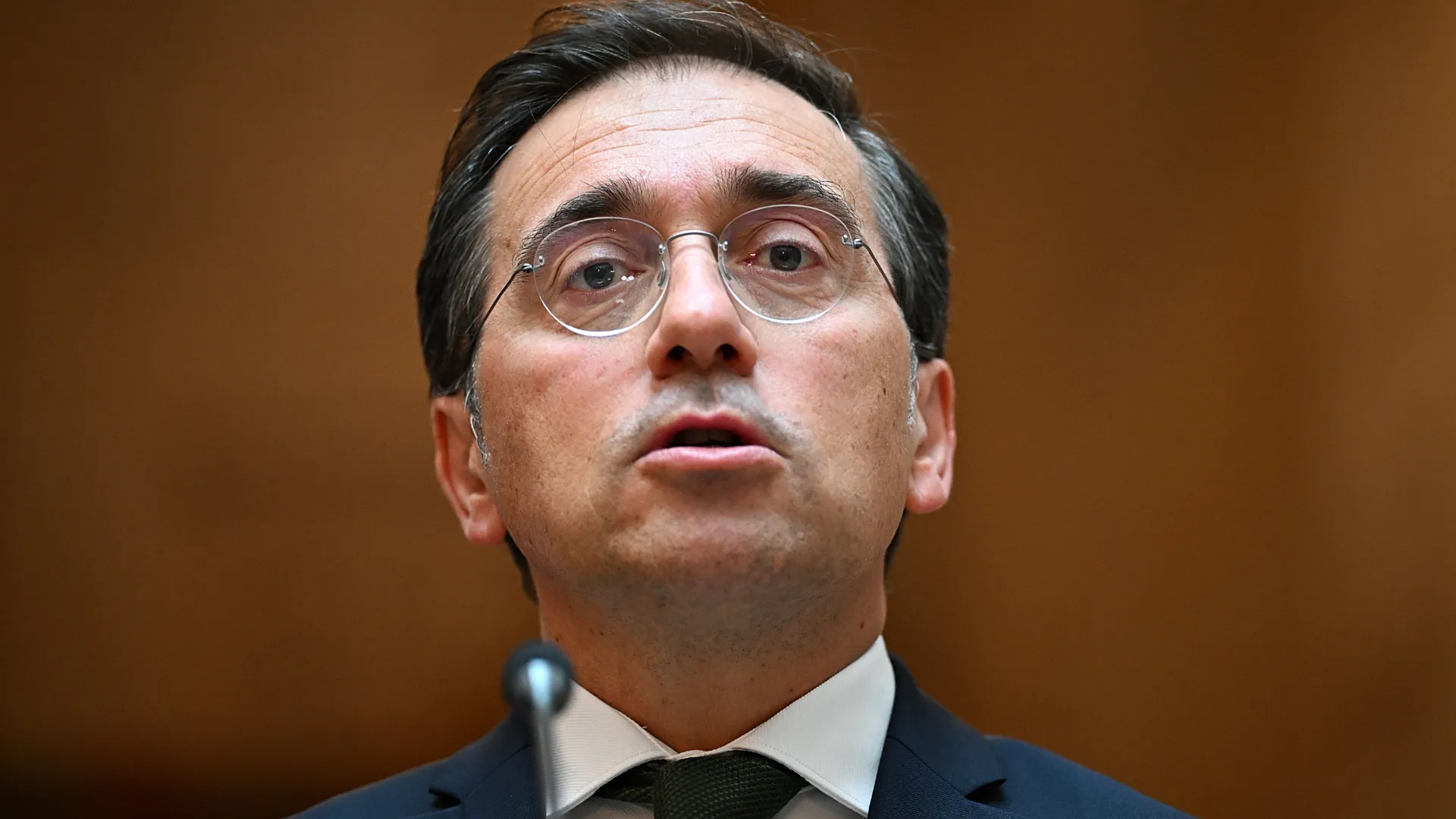
Migration pressure tests diplomacy across the Mediterranean.
Ceuta, Spain | August 2026
Spain’s foreign minister, José Manuel Albares, has publicly defended Morocco’s cooperation in managing the migration emergency in Ceuta, arguing that Rabat’s willingness to receive returnees enabled thousands of people to leave the Spanish enclave within a matter of hours. His remarks came during an official visit to the autonomous city, where authorities continue working to restore normality after the unprecedented arrival of migrants from Moroccan territory. The minister also addressed the situation of unaccompanied minors and the growing diplomatic dispute between Spain and Italy.
Speaking after a meeting with Ceuta’s president, Juan Vivas, Albares emphasized that European governments frequently encounter serious obstacles when attempting to return irregular migrants because countries of origin refuse to cooperate. Spain, he said, is facing the opposite situation because Morocco has expressed its readiness to receive its citizens. According to the minister, diplomatic communication between Madrid and Rabat remained active throughout the emergency and helped accelerate the return process.
Albares maintained that Morocco has cooperated fully with Spain’s efforts to stabilize Ceuta and restore the conditions that existed before the mass crossings. Spanish authorities have repeatedly described the scale of the episode as unprecedented, both because of the number of people who entered the enclave and the speed with which many subsequently returned. The foreign minister presented this cooperation as evidence that diplomatic channels can function effectively even during a major border emergency.
The position adopted by Madrid comes amid continuing questions about how thousands of migrants were able to reach Ceuta’s beaches and border areas in such a short period. Spanish officials have avoided directly accusing the Moroccan government of facilitating the movement, while emphasizing Rabat’s subsequent participation in the returns. The crisis has nevertheless intensified scrutiny of border surveillance, intelligence coordination and the broader migration relationship between Spain and Morocco.
The return of unaccompanied Moroccan minors remains one of the most sensitive elements of the emergency. Morocco has requested that its nationals be returned, but Spanish authorities must follow domestic legislation and judicial procedures designed to protect children and determine their individual circumstances. Any repatriation process must include an assessment of family conditions and guarantees that the minor will not face abandonment, exploitation or other risks after returning.
Albares also used his visit to criticize the Italian government of Prime Minister Giorgia Meloni over its response to the crisis. He accused Rome of failing to demonstrate the solidarity offered by most European Union member states and suggested that domestic political interests had influenced Italy’s position. The dispute escalated after Italian authorities introduced additional controls affecting passengers arriving from Spain by air and sea.
The Spanish minister argued that Italy had attempted to use the Ceuta emergency for internal electoral purposes. He also questioned Rome’s decision to tighten controls, noting that Italy itself faces extensive irregular migration across the central Mediterranean. In Albares’s view, the complexity of Ceuta and Melilla requires measured European coordination instead of unilateral actions capable of creating tension between partner countries.
Ceuta and Melilla form the European Union’s only land borders with Africa, giving both Spanish territories exceptional strategic and humanitarian importance. Migration pressure at these frontiers can rapidly become an issue involving border security, diplomatic relations, human rights and the integrity of the Schengen area. Spanish officials insist that the situation in Ceuta has not resulted in the uncontrolled movement of migrants toward the Iberian Peninsula or other European countries.
Local authorities estimate that between 8,000 and 10,000 irregular migrants may still be present in Ceuta. Their presence continues to place substantial pressure on reception centers, public services, security forces and humanitarian organizations operating in a geographically limited territory. The Spanish government has deployed senior officials to the city and is coordinating measures involving migration management, territorial administration and national defense.
The crisis has also exposed the fragility of European unity when migration pressures move from one external frontier to another. Southern European countries have repeatedly demanded shared responsibility, but national governments often respond according to their own political priorities and domestic concerns. The disagreement between Madrid and Rome illustrates how quickly a border emergency can develop into a wider diplomatic confrontation within the European Union.
Spain is now attempting to balance four immediate priorities: returning eligible migrants in accordance with the law, protecting unaccompanied minors, restoring normality in Ceuta and preserving cooperation with Morocco. At the same time, Madrid must address questions surrounding the origins of the mass crossing and prevent a similar event from recurring. The effectiveness of that strategy will depend on sustained diplomatic coordination, credible border management and a European response capable of moving beyond partisan divisions.
Phoenix24: La verdad es estructura, no ruido. Truth is structure, not noise.