

 Phoenix 24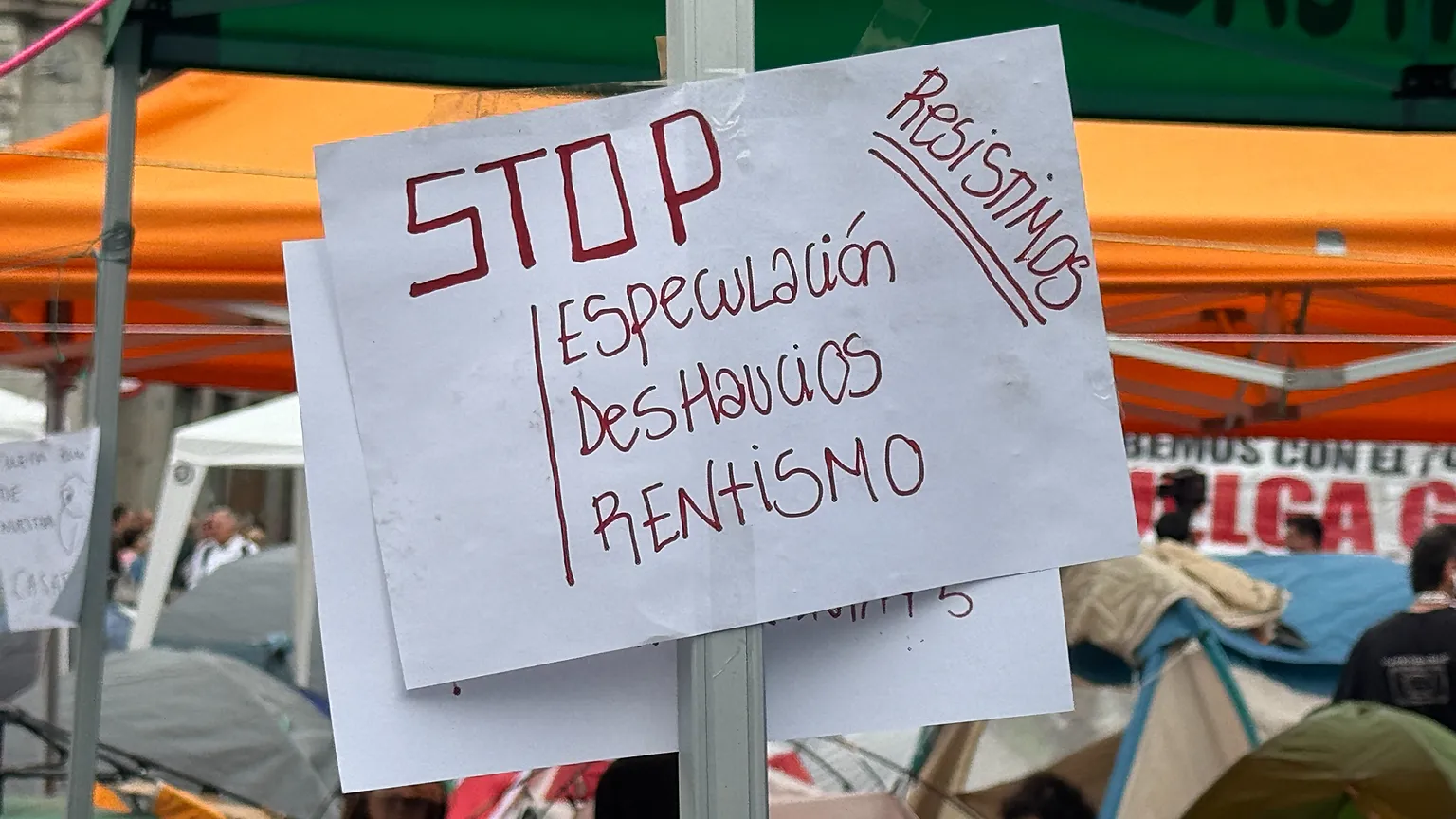
The housing crisis has forced the government to turn political pressure into legislation.
Madrid
Spain’s government has approved two emergency housing decrees after the PSOE and Sumar reached a last minute agreement following intense internal negotiations. The measures seek to address evictions, speculative purchases, rental fraud and access to home ownership, while also improving stability for tenants. The approval comes after several days of public pressure triggered by protests over the eviction of 87 year old Maricarmen Abascal.
The first decree concentrates most of the government’s intervention in four areas. It extends the social protection framework against evictions for vulnerable households until 2030 and introduces measures intended to limit speculative purchases by investment companies and large funds. The government also plans to use taxation to redirect investment toward affordable housing rather than short term speculative activity.
Rental practices form another major part of the package. Authorities want to tighten rules governing temporary and room rental contracts that can be used to bypass regulations applying to conventional residential leases. Illegal tourist apartments are also targeted, while tourist accommodation will face a 10 percent value added tax under the new framework.
The package also includes incentives aimed at both landlords and prospective buyers. Property owners will be eligible for tax benefits that the government says could reduce annual costs by the equivalent of one month’s rent in some cases. At the same time, a new program called Tu Casa will provide zero interest financing to people who have sufficient income to purchase a first home but lack the savings required for the initial payment.
Public and protected housing will receive additional support through a reduced value added tax rate of 4 percent. The government also intends to increase construction of affordable housing, reflecting an effort to combine regulatory intervention with measures designed to expand supply.
The second decree focuses specifically on rental stability. The government says the objective is to give tenants greater continuity and reduce the insecurity created by short contract cycles. Officials have pointed to long duration rental models already being tested within public housing programs as a reference for the new approach.
Approval by the Council of Ministers does not end the political battle. The government must still secure enough support in Congress to validate the decrees, and the coalition remains dependent on parties with conflicting views on housing policy. Protesters in Madrid have also decided to maintain their encampment despite the government’s announcement.
The two decrees therefore represent a political breakthrough, but not a final resolution. Spain’s housing crisis has reached the point where regulation, taxation, ownership and social protection are being negotiated simultaneously under intense public pressure.
Beyond the news, the pattern.