

 Phoenix 24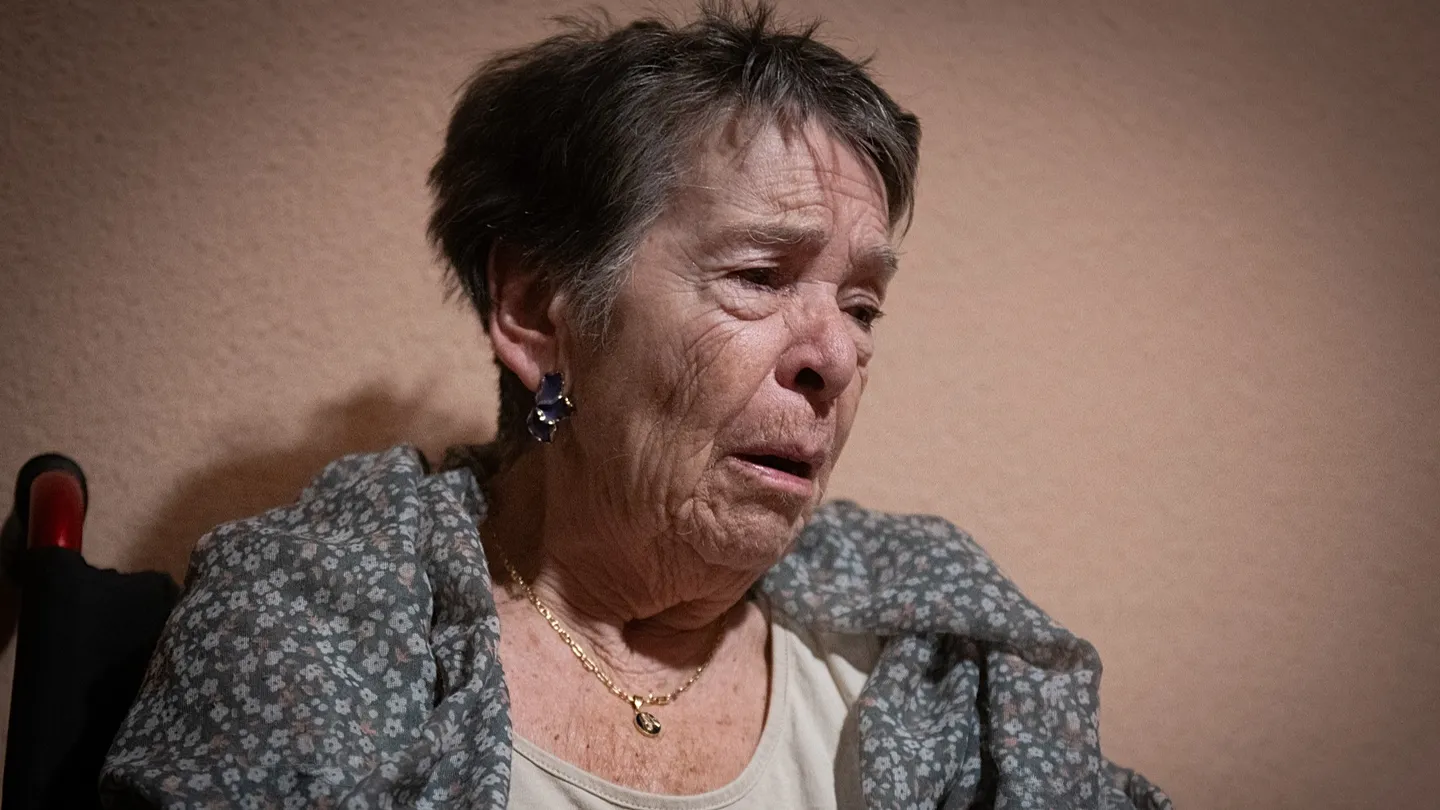
One woman’s case has become a national symbol of Spain’s housing emergency.
Madrid
María del Carmen Abascal, known as Maricarmen, has accepted an agreement with Urbagestión that will allow her to return to the Madrid apartment where she lived for more than 70 years before being evicted last week. The 87 year old will move back once she is discharged from hospital, bringing a dramatic reversal to a case that triggered protests and intensified debate over housing insecurity in Spain.
Under the agreement, Maricarmen will receive a new eight year rental contract. Her monthly rent will not exceed 30 percent of her net income and is expected to remain close to 500 euros, roughly the amount she had been paying before the dispute escalated. Her belongings remain inside the apartment, meaning she will not need to undergo another move when she returns.
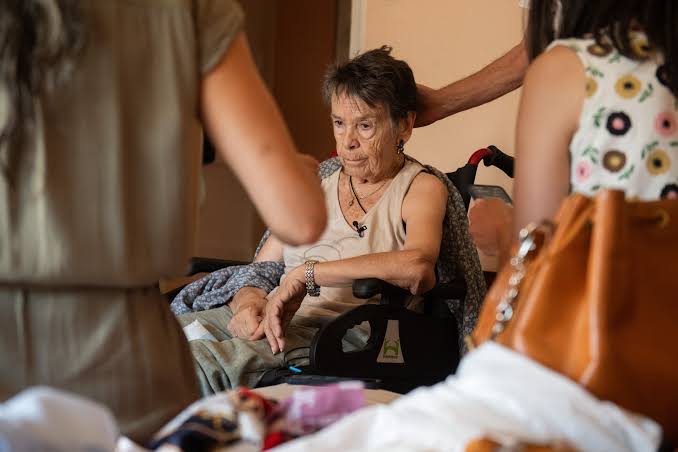
Her lawyer, Beatriz Duro, confirmed that Maricarmen approved the terms after they were negotiated between her representatives and the property owner. She remains hospitalized at Gregorio Marañón Hospital but has been informed of the agreement and is expected to return to the property once doctors authorize her discharge.
The resolution does not end the broader housing mobilization. Tenant organizations have said demonstrations will continue because their demands extend beyond Maricarmen’s individual situation. They argue that her case exposed a wider pattern involving evictions, rent increases and insufficient protection for vulnerable tenants.
The timing is politically significant. On the same day Maricarmen accepted the agreement, Spain’s Council of Ministers approved two new housing decrees after PSOE and Sumar reached a coalition deal. Those measures include stronger protections against evictions, initiatives targeting speculative practices and changes intended to improve rental stability and housing access.
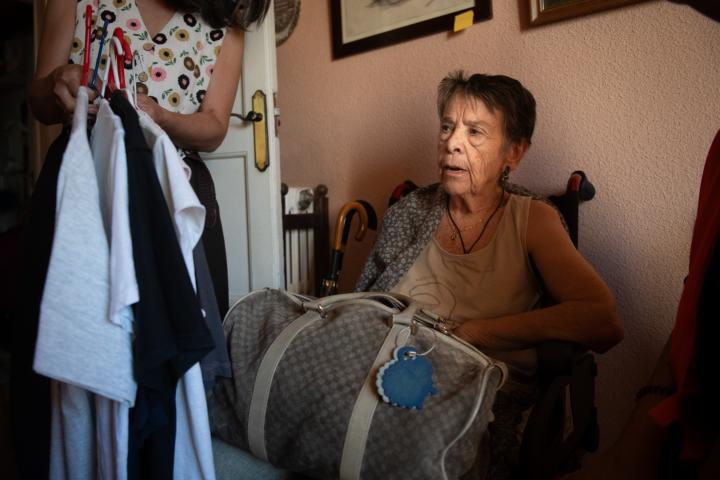
Maricarmen’s case has therefore moved from a private housing dispute into the center of a national policy debate. Her return home represents a personal victory, but the protests surrounding her eviction have already expanded the issue beyond one apartment.
The larger question now is whether the pressure generated by her case will produce durable protections for other tenants facing similar vulnerability.
Phoenix24: journalism without borders.