

 Phoenix 24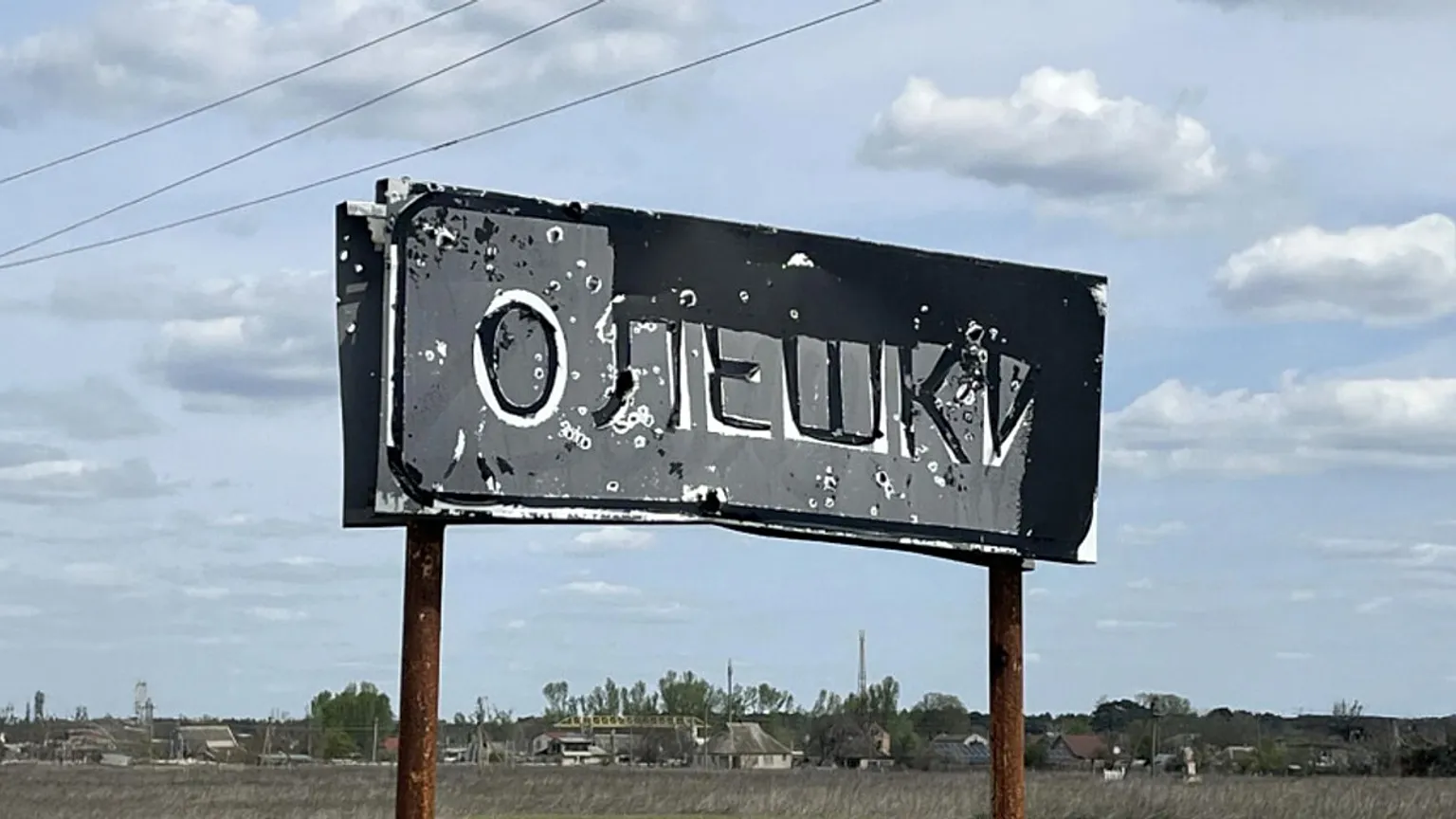
Around 2,000 civilians are trapped without reliable food, medicine, water or electricity.
Oleshky
The Russian occupied Ukrainian city of Oleshky, in the Kherson region, is facing an increasingly severe humanitarian crisis as residents struggle with shortages of food, medicine, clean water and electricity. Ukrainian authorities say regular food deliveries have effectively stopped and that attempts to supply civilians by drone are being actively disrupted. International organizations have warned that the population remaining in the city faces a high risk of death if access does not improve.
Ukrainian forces have reportedly delivered around four tonnes of food to Oleshky by drone in what has been described as one of the largest humanitarian operations of this type during the war. According to the Kherson regional military administration, Russian forces have shot down some aid carrying drones, confiscated supplies that reached the ground and detained residents found with humanitarian packages. These allegations come from Ukrainian officials and residents and remain difficult to independently verify because access to the occupied city is extremely limited.
Estimates of the number of civilians still trapped vary. Ukrainian regional authorities place the population at roughly 2,000 people, including about 50 children, compared with approximately 25,000 residents before Russia’s full scale invasion in 2022. Religious organizations have suggested that the number of people remaining in Oleshky and surrounding areas could be significantly higher.
Living conditions deteriorated further after the destruction of the Kakhovka dam in June 2023. Flooding devastated homes, contaminated water systems and damaged essential infrastructure across the region. Residents now reportedly depend heavily on small gardens, improvised food sources and whatever supplies can reach them.
Ukraine says it has prepared an evacuation plan involving the International Committee of the Red Cross, but Russian authorities have not agreed to the conditions required for the mission to proceed. The Council of Europe’s Commissioner for Human Rights has warned that civilians are trapped without sufficient food, medical care, running water or electricity and face potentially fatal consequences.
Russia acknowledges that conditions in Oleshky are critical but disputes Ukraine’s account of responsibility, blaming Kyiv for obstructing deliveries. That conflicting narrative has become part of the broader information battle surrounding occupied territories.
Ukraine now plans to raise the situation internationally, arguing that the crisis represents a failure to meet the obligations of an occupying power under international humanitarian law.
The deeper issue is no longer simply whether aid can reach Oleshky. It is whether civilians trapped inside an occupied city can still exercise the most basic right to survive.
Against propaganda, memory.