

 Phoenix 24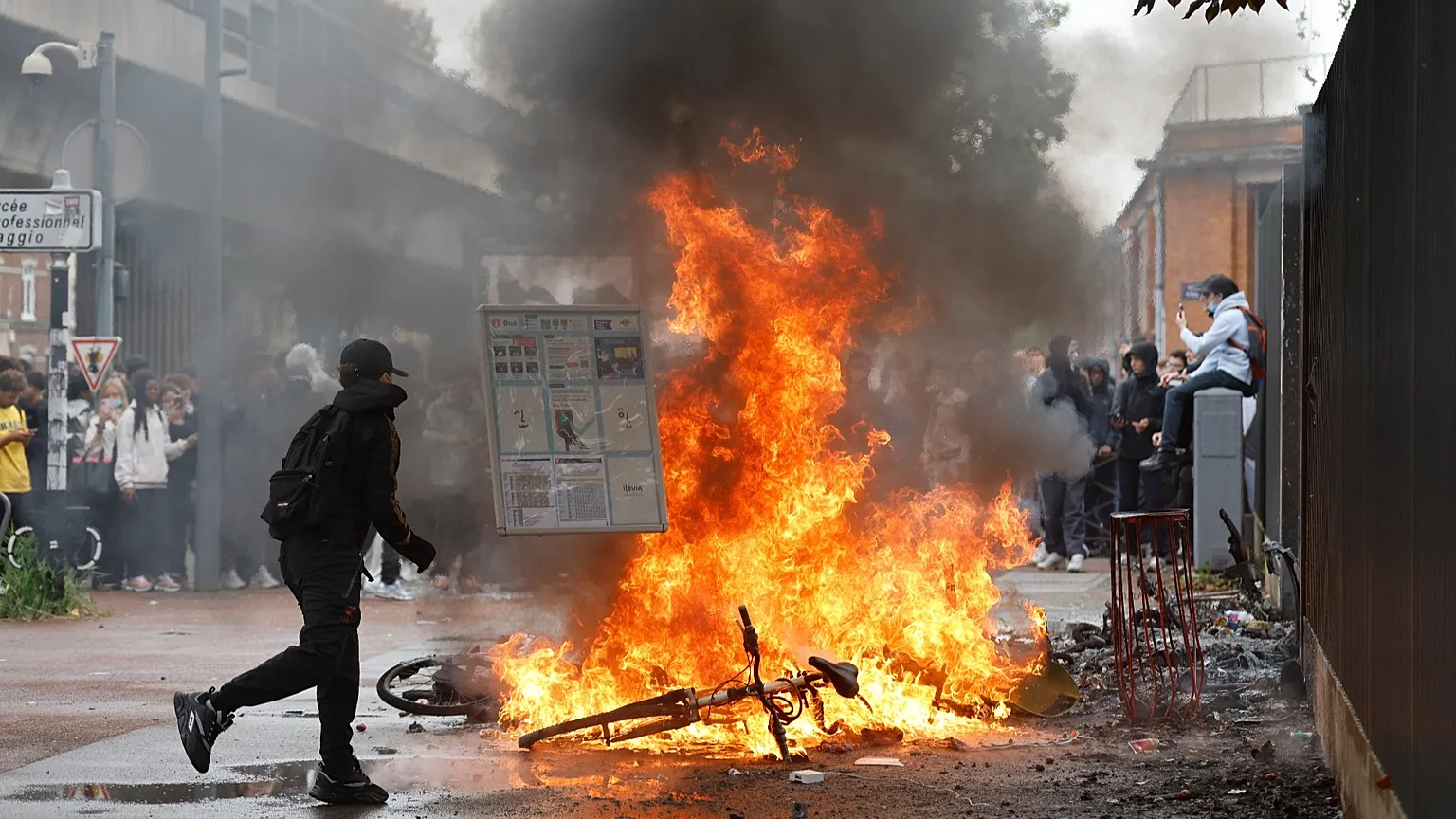
Class sizes, teacher shortages and overheated classrooms are driving a new wave of unrest.
Lille
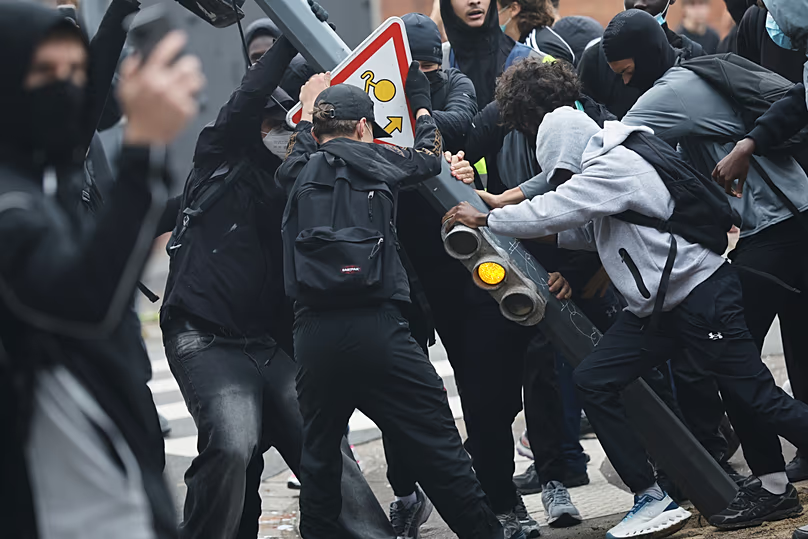
Student protests have intensified across France as secondary school pupils block campuses and confront police over deteriorating conditions inside the education system. In Lille, teenagers set fire to rubbish containers and threw projectiles during clashes outside schools, while similar demonstrations continued in Paris and other cities.
The mobilization began last week and has centered on demands ranging from smaller class sizes to more teachers and better infrastructure. Students have also complained about school schedules and classrooms that became increasingly difficult to use during recent heat waves. The protests therefore combine traditional education grievances with growing concern over whether school buildings are equipped to withstand more frequent periods of extreme heat.
Several high schools have been partially or completely blocked by students, creating tensions with authorities seeking to maintain access and public order. At the Baggio high school in Lille, confrontations escalated as police attempted to disperse demonstrators. Images from the protests showed burning bicycles and containers outside school facilities, illustrating how quickly a movement focused on resources can become a broader public order challenge.
Teachers have also joined the wider mobilization. Education unions called strikes alongside demonstrations involving other public sector workers, including firefighters. Tens of thousands of people were expected to participate nationwide, although transport networks were not forecast to experience disruption on the scale seen during some previous French protest movements.
The unrest arrives at a politically sensitive moment. France continues to confront arguments over public spending, staffing levels and the quality of essential services while the national government faces pressure to control expenditure. Education is particularly exposed because shortages of teachers and overcrowded classrooms directly affect families and students, making budgetary decisions immediately visible at the local level.
The student movement also reflects a generational shift in protest. Young people are not limiting their demands to curriculum or examinations. They are increasingly treating classroom conditions, climate adaptation and staffing as questions of institutional responsibility and public investment.
For French authorities, the immediate challenge is restoring order without allowing confrontation to obscure the original grievances. For students, the test is whether disruptive protest can produce concrete improvements inside schools.
The demonstrations began with demands about classrooms. They are now becoming a wider argument about what level of public education France is prepared to finance.
Global narrative resilience.