

 Phoenix 24
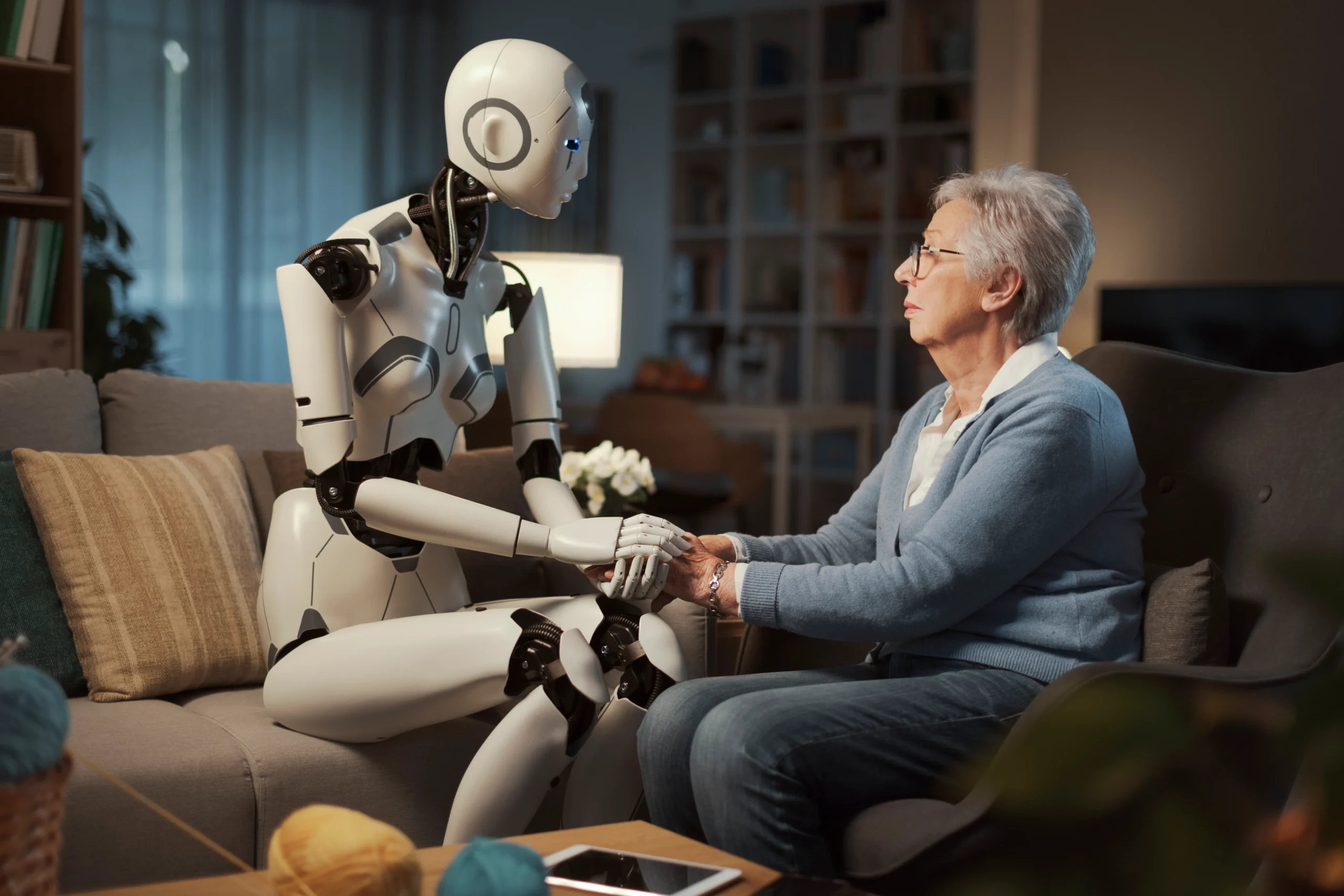
Care begins to change before law or culture admit it.
Tokyo, March 2026
The arrival of social robots in elder care should not be read as a futuristic novelty staged for technology fairs. It is better understood as the early normalization of a new domestic actor: a machine designed not only to assist with tasks, but to accompany routines, reduce loneliness, and sustain a fragile sense of continuity inside the home. What is emerging is not a fantasy of distant tomorrow, but a practical response to aging societies under pressure. The technology is entering the household through the language of support, not conquest.
What makes this shift significant is that social robots do not enter the home as classic appliances. A washing machine performs a task and disappears into utility, but a social robot occupies presence. It speaks, reminds, reacts, encourages, and in some cases adapts to behavioral patterns over time. That places it in an ambiguous zone between assistive technology, emotional scaffolding, and delegated attention.
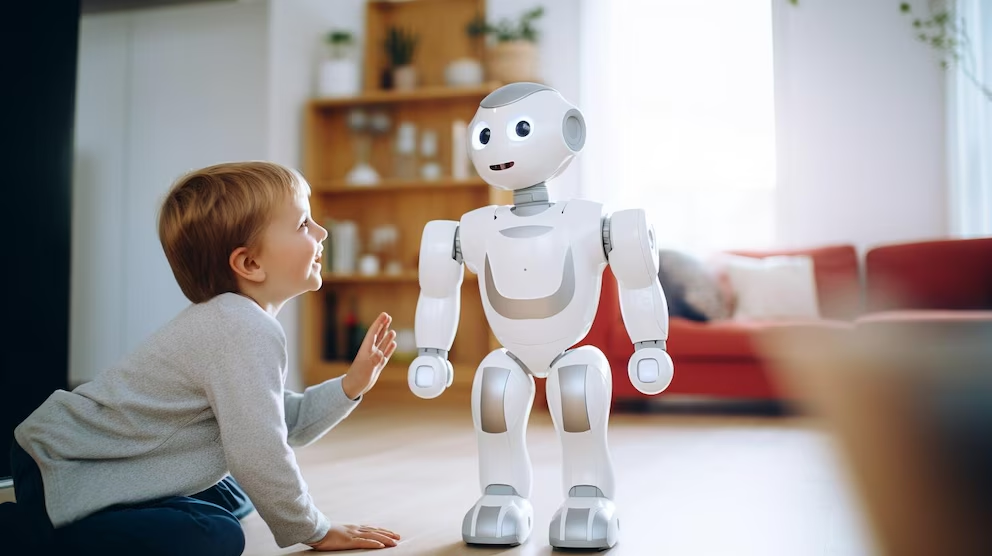
There are practical reasons this model is gaining traction. Aging populations are stretching care systems beyond what families, public institutions, and human workforces can easily absorb. In that environment, social robots appear not as total substitutes for human care, but as compensatory layers that can help older adults maintain routine, interaction, and a degree of independence. For overburdened families, that promise is not abstract; it is operational.
The most sensitive issue is not whether these devices can help, but what kind of help societies will gradually decide is “good enough.” A robot that reminds someone to take medication or initiates conversation may reduce loneliness in measurable ways, but it also raises an unsettling question about what happens when companionship becomes partially outsourced. The ethical concern is not limited to privacy, surveillance, or reliability, although all of those matter. It also concerns the possibility that simulated presence may start to substitute for neglected human presence.
That is why the debate cannot be reduced to simple optimism or simple fear. For some households, especially where distance, cost, or caregiver scarcity already shape daily reality, a social robot may offer meaningful assistance and emotional stabilization. For others, it may feel like a polished symptom of deeper abandonment dressed up as innovation. The technology does not arrive into a neutral cultural space; it arrives into homes already marked by unequal time, unequal care, and unequal capacity to accompany aging well.
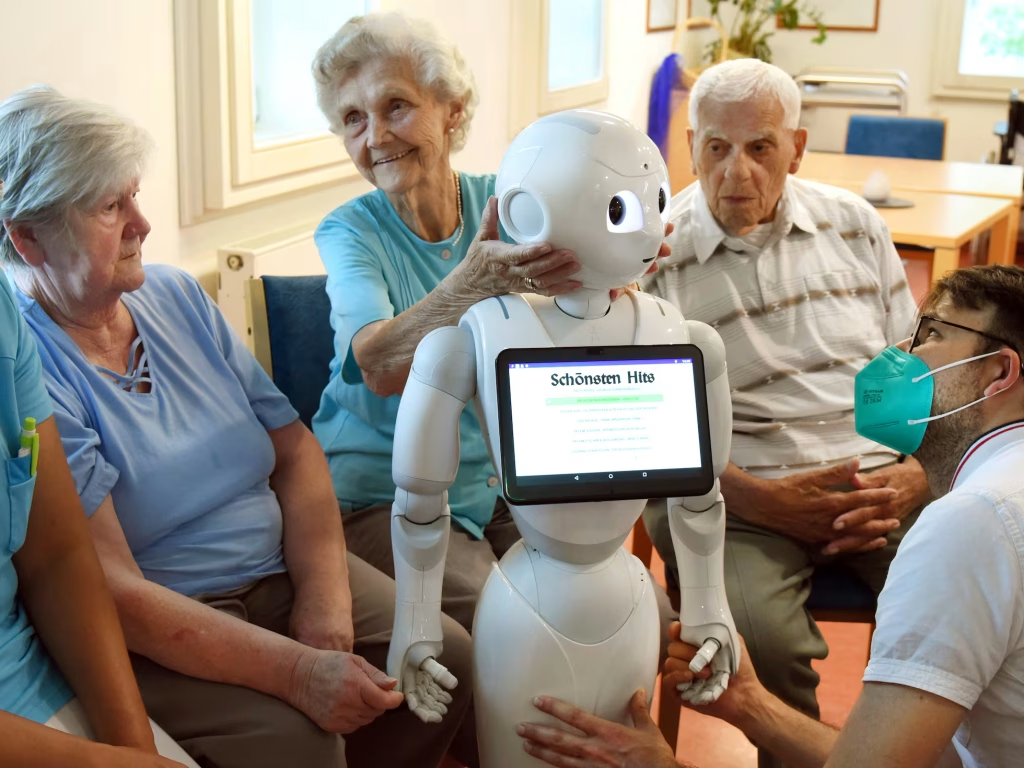
There is also a geopolitical layer beneath the domestic one. Much of the momentum around social robotics is being driven by states and companies that see elder care not only as a humanitarian challenge, but as a strategic market and a proving ground for broader AI integration in everyday life. Once that happens, the older adult is no longer only a care recipient. They also become the center of a new data-rich environment where behavior, vulnerability, and routine may be continuously tracked and interpreted.
The future now entering the home should therefore be read with realism and caution. Social robots may indeed become valuable allies for aging in place, especially where they support structure, cognition, and emotional continuity. But their expansion will also test how far contemporary societies are willing to mechanize intimacy in the name of efficiency, safety, and continuity. The real story is not whether the robots are arriving, because they already are. The real story is what kind of caregiving culture will grow around them once their presence stops feeling unusual.
Detrás de cada dato, hay una intención. Detrás de cada silencio, una estructura.
Behind every datum lies an intention. Behind every silence, a structure.