

 Phoenix 24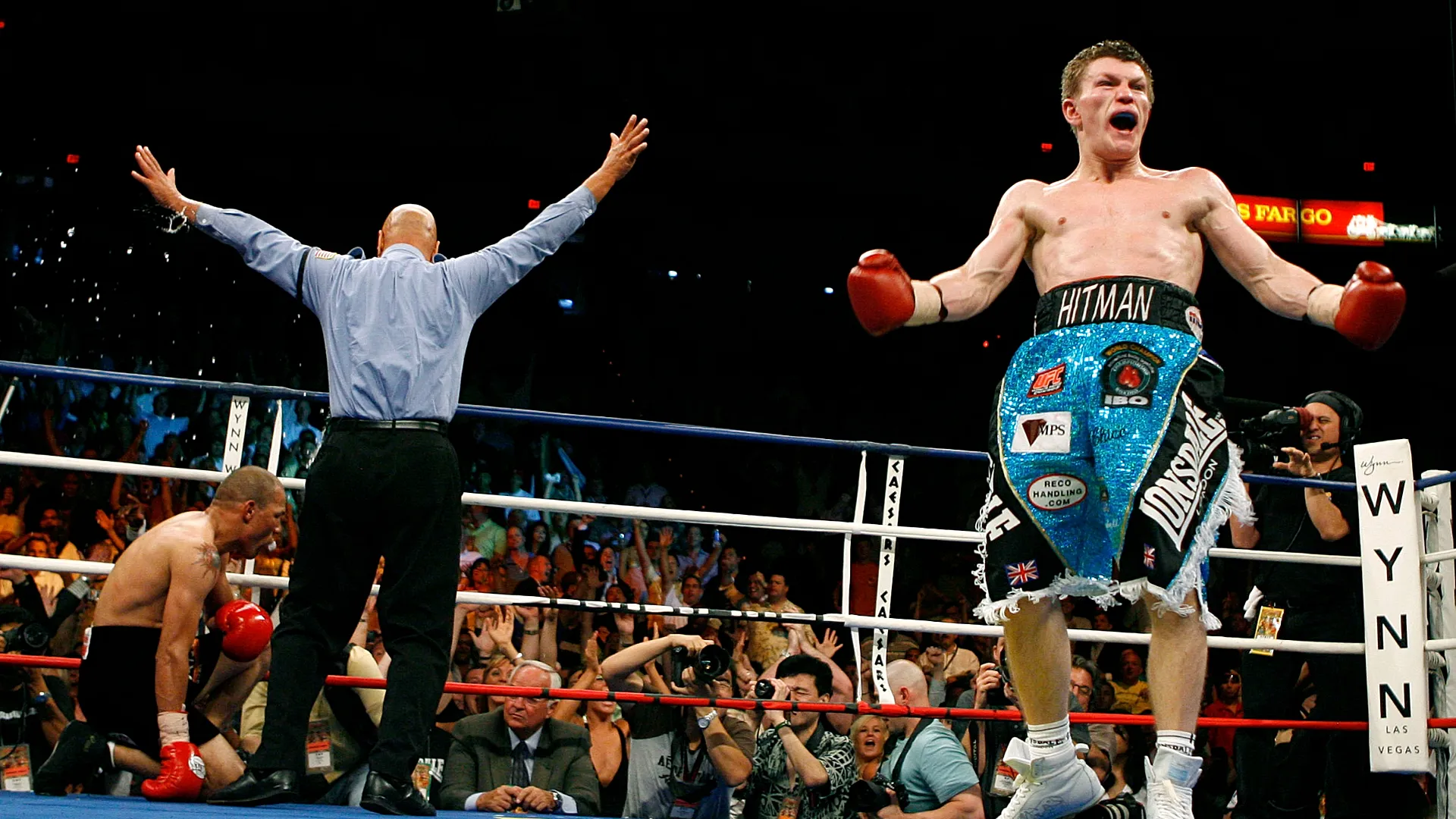
The news shocked fans and the sporting world: one of Britain’s most beloved boxing icons was discovered lifeless in his own home.
Hyde, Greater Manchester, September 2025
Ricky Hatton, former world champion in the super lightweight and welterweight divisions, was found dead at his residence in Hyde at the age of 46, sending shockwaves through the boxing community. Hatton was far more than a fighter with an outstanding record; he became a national symbol thanks to his relentless style, his bond with the fans, and a career that defined an era for British sport.
His crowning moment came in 2005 when he defeated Russia’s Kostya Tszyu in one of the most memorable nights in European boxing history. From that point on, Hatton built a record of 45 victories, 32 of them by knockout, with only three losses, all against legendary opponents such as Floyd Mayweather Jr. and Manny Pacquiao. That trajectory secured his place as one of the most influential fighters of the early twenty-first century and a natural ambassador of British boxing.
Outside the ring, however, he fought battles that never fully left him. Over the years he struggled with depression, alcohol and drug addiction, and periods of rehabilitation that frequently became tabloid headlines. Hatton never hid his inner struggles and often spoke publicly about the importance of mental health in professional sport. His candor in sharing those experiences drew him even closer to the public, who saw him as a vulnerable and human hero.
In the last stage of his life, Hatton reinvented himself as a trainer and promoter. He coached young talents in Manchester gyms and kept his name alive on the international boxing circuit. Just months ago, he had announced his intention to step back into the ring for an exhibition bout scheduled for the end of 2025, a project now overshadowed by tragedy.
Greater Manchester Police confirmed there were no signs of violence or third-party involvement, pointing to an unexpected death without indications of criminality. Even so, the news has reignited debate in the United Kingdom about the lack of robust support networks for retired athletes and how early fame can turn into a heavy emotional burden.
Reactions poured in swiftly. Former rivals such as Manny Pacquiao expressed respect for Hatton’s ferocity in the ring and his humility outside it. Dozens of British boxing figures, including Amir Khan and Tyson Fury, mourned his death while highlighting his generosity and his legacy as one of the fighters who drew the largest crowds to European arenas. For fans, Hatton will be remembered not only for his victories but also for embodying a fighting spirit that transcended sport itself.
The passing of Ricky Hatton symbolizes the end of a chapter in world boxing and underscores that athletic glory often coexists with profound vulnerability. The void he leaves in the boxing community is measured not only in titles but also in the affection he inspired, a combination that turns his death into an event that surpasses the boundaries of sport and enters the cultural memory of the United Kingdom.
Behind every fact, there is an intention. Behind every silence, a structure.