

 Phoenix 24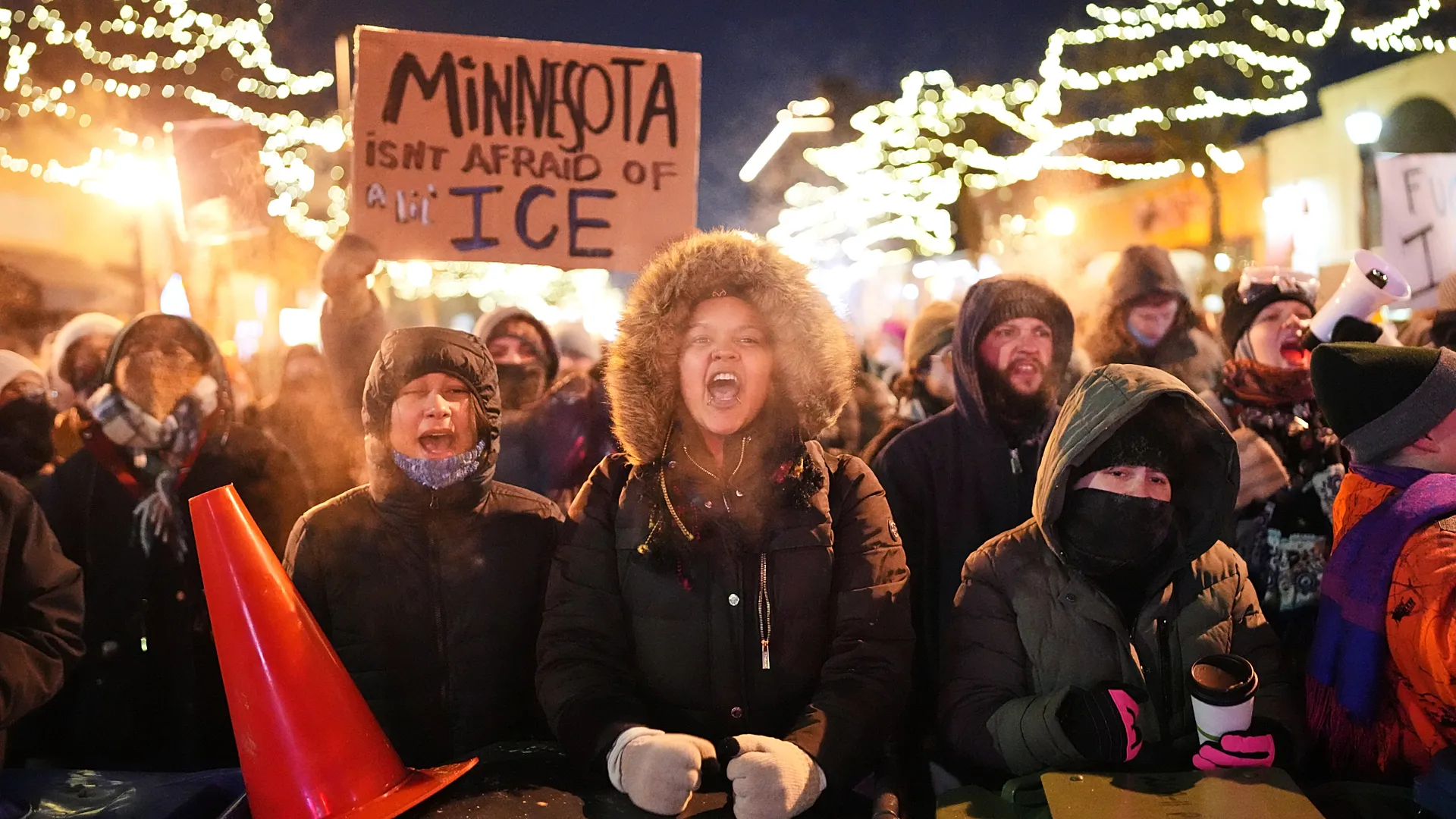
When federal enforcement triggers trauma and resistance, a city’s identity is reshaped by collective response.
Minneapolis, January 27, 2026. In the weeks following a series of federal immigration enforcement actions, including controversial raids and fatal shootings involving agents from Immigration and Customs Enforcement (ICE) and Border Patrol, residents and community leaders in Minneapolis are mobilizing on multiple fronts. What began as a heightened enforcement operation by federal authorities has evolved into sustained protest, deep fear among immigrant and broader urban communities, legal challenges and public debates about constitutional authority and public safety.
The trigger for intensified public backlash was the deployment of thousands of federal agents under an expanded immigration enforcement campaign. Federal officials described this surge—part of a broader strategy to crack down on undocumented immigration and fraud—as necessary to uphold immigration law and protect national security. Local leaders and critics, however, have characterized the strategy as excessively aggressive, militarized and disruptive to everyday life across the Minneapolis-Saint Paul metropolitan area. They argue that the scale of enforcement, including raids that extended into residential neighborhoods and detentions of non-violent individuals, has fostered a climate of fear rather than safety.
The emotional toll of these operations on Minneapolis communities is profound. Reports indicate that some residents, including United States citizens, are delaying essential activities such as medical care because they fear encountering enforcement agents on the streets or around public facilities. Individuals with long-term health conditions, as well as families with young children, have expressed trepidation about navigating daily routines under the shadow of enforcement presence. Public health experts warn that these anxieties can have cascading effects on community wellbeing, from untreated illnesses to heightened stress that compounds other social vulnerabilities.
Public outrage intensified after a series of high-profile incidents in which ICE or Border Patrol agents shot and killed community members. Videos shared by witnesses in at least two separate cases showed unarmed individuals killed during or following confrontations with federal agents. These deaths, particularly that of a 37-year-old local nurse, became rallying points for critics who argue that federal enforcement agencies have used disproportionate force and lacked accountability. The conflicting narratives between federal authorities and eyewitness accounts further eroded trust, intensifying calls for independent investigations and civilian oversight.
In response to these events, Minneapolis residents, labor unions, faith leaders and civil rights organizations organized demonstrations and protests that drew thousands of participants. One notable action, described by organizers as a statewide “economic blackout” day, saw schools, workplaces and businesses pause operations in solidarity with the anti-enforcement movement. Demonstrators carried signs demanding the withdrawal of ICE operations, accountability for the deaths of community members and broader immigration reform. Clergy and community volunteers also mobilized outreach efforts, providing food, shelter and practical support for families affected by raids and detentions.
The response from elected officials has been varied. Local and state leaders have expressed support for constituents’ frustration and grief, pushing for legal challenges to federal operations and calling for negotiations on enforcement practices. Lawsuits alleging constitutional violations, including unlawful detentions and overreach of state sovereignty, have been filed by Minnesota officials. These legal actions reflect a broader tension between federal authority and state and city autonomy in managing public safety and civil liberties.
Federal authorities and the presidential administration have acknowledged some of the concerns while defending the overall mission of immigration enforcement. Senior officials framed the operations as part of upholding national law and protecting borders, even as they sought to recalibrate enforcement priorities in the face of public criticism. Adjustments in leadership of immigration policy and diplomatic language were reported as attempts to reduce confrontation and reassure the public that enforcement would focus more narrowly on criminal activity rather than broader sweeps.
The national and local media coverage of the situation has elevated Minneapolis as a focal point of the immigration debate in the United States. Commentators on all sides have linked the events in Minnesota to larger questions about the role of federal agencies, the rights of immigrant communities and the balance between enforcement and civil liberties. Across the country, advocacy groups have organized solidarity protests, highlighting Minneapolis as part of a network of cities grappling with enforcement tactics and community resilience.
Community leaders describe a deeply emotional landscape in which fear and solidarity coexist. Immigrant families have expressed deep anxiety about routine activities, school attendance and access to essential services, citing uncertainty about when enforcement might occur or whom it might affect. At the same time, grassroots organizers emphasize resilience and mutual aid, establishing networks to alert neighbors, share information and offer support during raids or detentions. Efforts to counteract fear with preparation and community cohesion speak to a long history of collective action in the city, drawing on experiences from past movements and protests.
Economic and social repercussions extend beyond the immediate scope of immigration policy. Minneapolis businesses faced closures and disruptions during large demonstrations, and community groups have reported strained relationships between residents and law enforcement. The emotional burden on immigrant populations, as well as on long-time residents who identify with civil rights struggles, raises questions about how cities can maintain social cohesion when enforcement tactics are perceived as divisive.
As the situation continues to evolve, the mobilization in Minneapolis underscores the complex interplay between federal policy, local response and community identity. The events in the city highlight how enforcement strategies can inadvertently catalyze broader movements for rights and accountability, creating a moment of civic engagement that extends far beyond the initial policy impetus.
Behind every data point, there is an intention. Behind every silence, a structure.
Detrás de cada dato, hay una intención. Detrás de cada silencio, una estructura.