

 Phoenix 24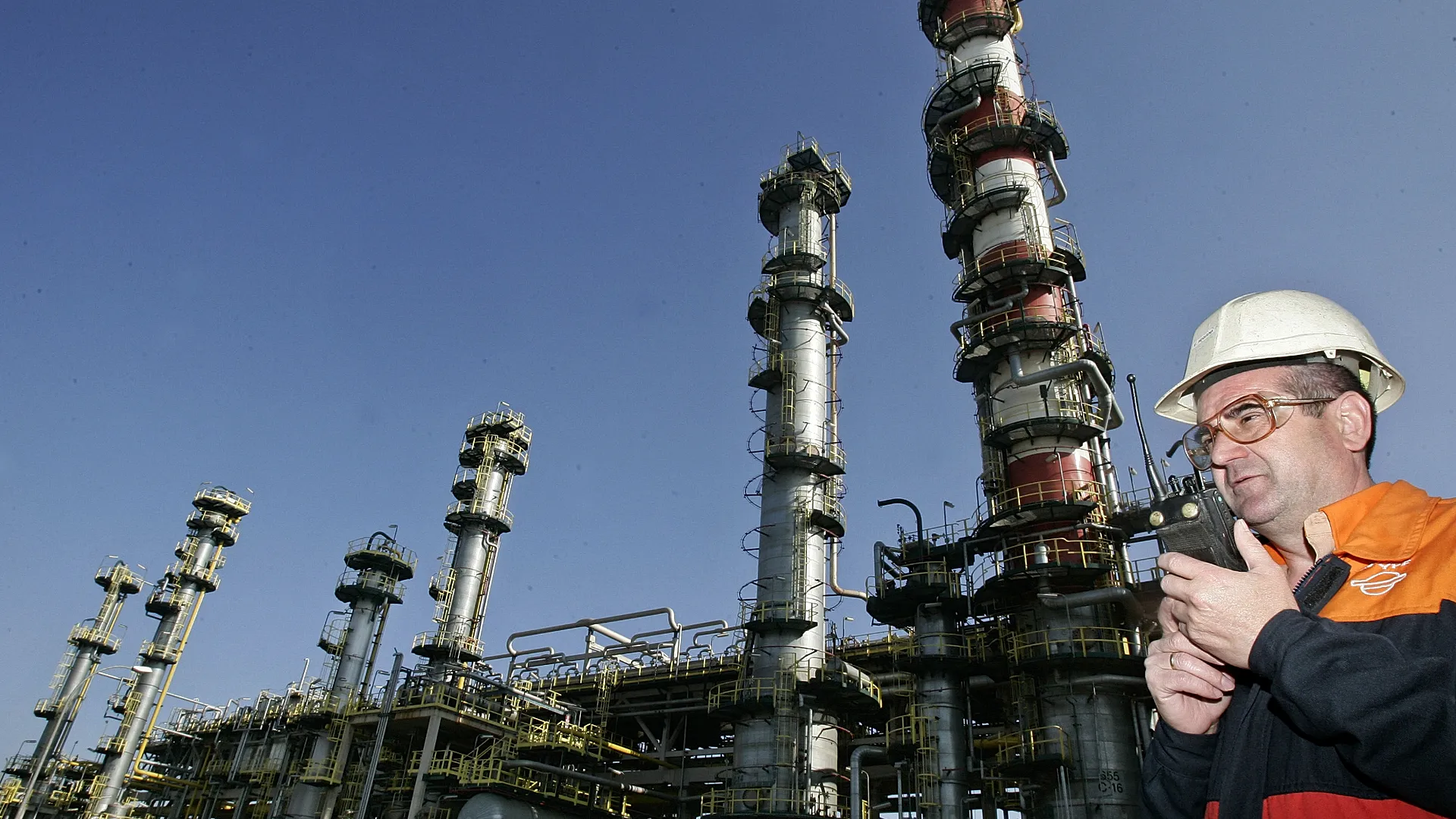
Energy reentry follows a deeper geopolitical turn.
Caracas, April 2026. Repsol has reached an agreement with Venezuela to regain operational control over part of its oil assets, marking one of the clearest signs yet that the country’s energy sector is reentering the strategic calculations of Western firms. The reported arrangement includes a guaranteed payment system and a plan to sharply increase production over the coming years. What makes the move significant is not only the business dimension, but the political timing. The deal emerges after a broader reconfiguration shaped by U.S. flexibility on sanctions and renewed interest in expanding global crude supply.
The agreement suggests that Repsol is no longer willing to remain confined to a passive role inside Venezuela’s deteriorated but still globally relevant hydrocarbons sector. For years, foreign companies in the country operated under heavy political uncertainty, payment risk and restrictive regulatory conditions tied to sanctions and state control. The new framework appears designed to reduce those vulnerabilities and to offer a more predictable operating environment alongside PDVSA. In practical terms, this gives Repsol a stronger position from which to recover influence in a market it never fully abandoned.
The production targets attached to the deal are especially revealing. Repsol reportedly expects to increase output significantly in the first year and to triple it by the third, a projection that points to more than technical stabilization. It suggests confidence that the Venezuelan oil sector, despite years of underinvestment and institutional erosion, still holds enough operational value to justify long term strategic reentry. This is not the language of mere survival. It is the language of calculated expansion.
What changed is the wider political setting. Washington’s gradual easing of restrictions has opened space for selected firms to reengage with Venezuelan energy assets, especially as war driven volatility has placed new pressure on global oil supply. In that environment, Venezuela’s vast reserves regain weight not as an ideological question, but as an energy question. Repsol’s deal therefore reflects a broader shift in which geopolitical necessity begins to override older patterns of isolation. The logic is unmistakable: when supply insecurity grows, sanctioned energy spaces become harder to ignore.
There is also a European dimension beneath the headline. Repsol’s return illustrates how major European companies are positioning themselves to recover ground in one of the world’s largest reserve bases before the market becomes more crowded. This is not simply about one Spanish company rebuilding a legacy presence. It is part of a larger contest over access, timing and strategic foothold in a country that may once again matter in global energy balancing. In such a setting, early movers gain more than contracts. They gain leverage over the shape of reentry itself.
The financial architecture of the agreement also matters. A guaranteed payment mechanism is not a technical footnote, but a core indicator of how mistrust still frames foreign investment in Venezuela. Repsol has long carried exposure to unpaid deliveries and unresolved obligations, so the attempt to secure future collections reveals a deeper lesson. Reentry into Venezuela may be possible, but only under conditions designed to shield companies from the very state and market instability that made the country so difficult in the first place. Investment is returning, but not naively.
This makes the deal politically important for Caracas as well. Any major foreign company willing to deepen its role in Venezuelan oil sends a signal that the sector may be becoming investable again under revised legal and fiscal conditions. That symbolic value matters to a country seeking to restore production, attract capital and project a degree of institutional recovery after prolonged decline. Yet the signal remains conditional. A single deal does not erase the structural fragilities of governance, infrastructure and external dependency that still define Venezuela’s energy landscape.
What Repsol has secured, then, is more than an operating agreement. It has secured a position inside a new phase of Venezuelan energy politics, one in which oil, diplomacy and market pressure are converging again. The real importance of the deal lies in what it anticipates. If the current political opening continues, more firms will attempt to return, more production bets will follow and Venezuela may once again become a contested space in the global energy map. In that sense, Repsol is not just returning to an oil field. It is returning to a geopolitical frontier.
Analysis that transcends power. / Analysis that transcends power.