

 Phoenix 24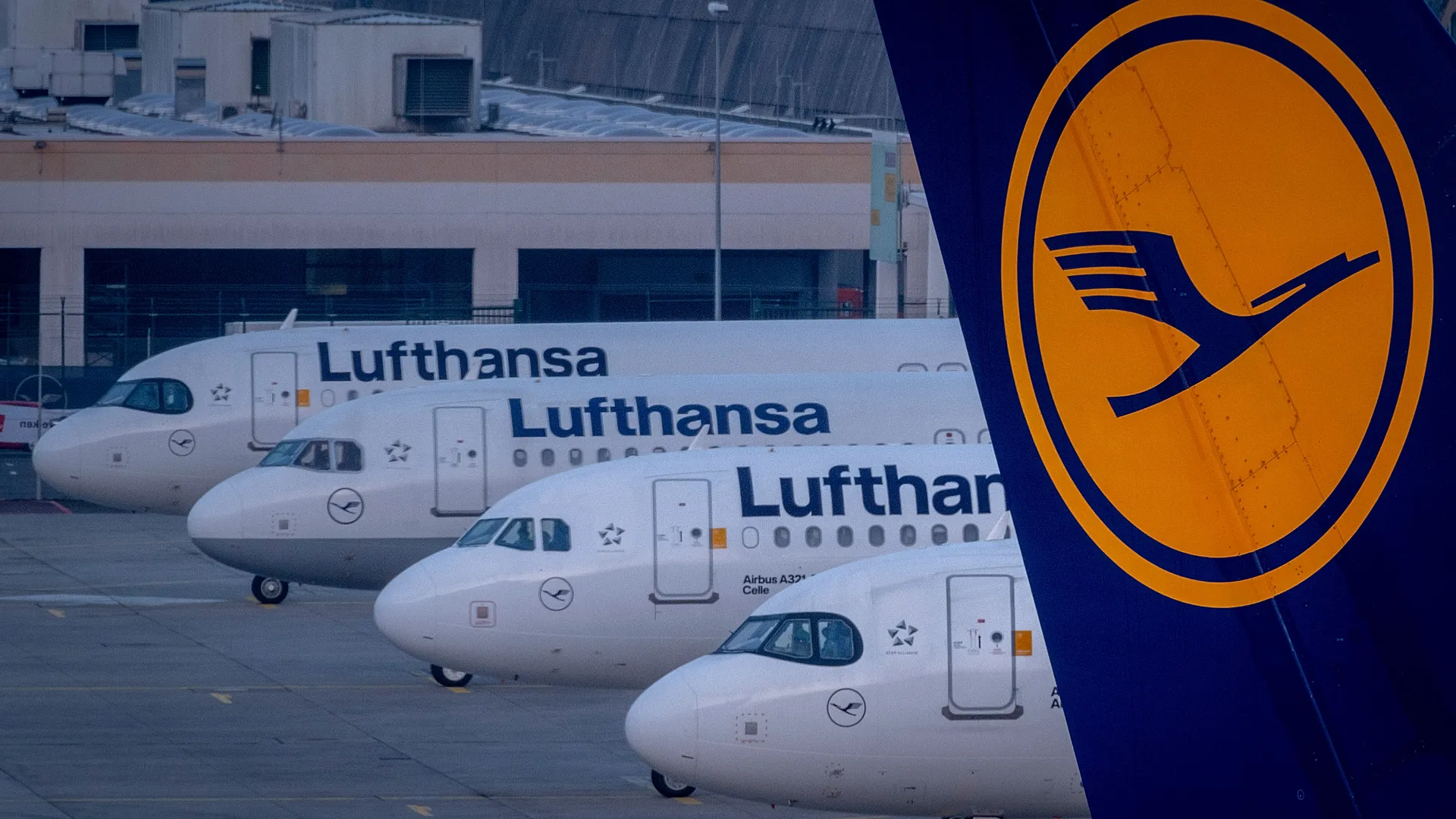
Fuel pressure is now redrawing Europe’s air map.
Frankfurt, April 2026. Lufthansa has decided to close its regional subsidiary CityLine, turning a long building cost problem into one of the clearest restructuring moves in European aviation this year. The decision comes amid rising fuel pressure and repeated labor disruption, two forces that have pushed even large legacy carriers to reassess which parts of their network remain sustainable. What might look like a corporate adjustment is, in fact, a sign that regional aviation is entering a harsher economic phase. In this climate, secondary operations are no longer treated as strategic cushions, but as expendable liabilities.
CityLine had long served as a feeder structure within the Lufthansa system, helping connect smaller routes to the group’s broader hub model. Its closure therefore carries weight beyond the fate of a single subsidiary. It signals that maintaining connectivity through regional platforms has become more expensive, more fragile and less defensible under current market conditions. When a flagship European airline begins cutting deeper into its internal architecture, the issue is no longer tactical. It becomes structural.
The company’s rationale points directly to the burden created by jet fuel costs and strike related instability. These are not temporary irritants in the background of operations. Together, they form a compound pressure that can rapidly erode margins in business segments already vulnerable to lower yields and tighter scheduling. Regional aviation tends to suffer first because it relies on thinner profitability, shorter routes and constant operational precision. Once fuel and labor volatility intensify at the same time, the economic room for error narrows dramatically.
That makes the CityLine closure relevant far beyond Germany. Across Europe, airlines are operating in an environment where geopolitical shocks can reshape fuel economics almost overnight, while industrial disputes can paralyze routes that depend on tight rotations and high reliability. In that context, restructuring is no longer just about efficiency. It becomes a defensive response to a transport system exposed to risks that originate well beyond the airport. The airline sector is being forced to adapt not only to market pressures, but to an era of cascading external disruptions.
The labor dimension also matters. Lufthansa’s decision reflects a wider reality in which workforce tensions have become part of the strategic equation rather than a separate industrial issue. Repeated strikes do more than delay flights. They weaken planning certainty, increase reputational strain and intensify pressure on management to simplify complex operating structures. In a network carrier, that often means cutting or consolidating the segments that offer the least resilience when disruption hits. CityLine appears to have fallen into exactly that category.
The symbolic impact is considerable. Lufthansa is not merely another airline in the European market. It is one of the continent’s most visible aviation institutions, closely tied to German industrial identity and to the broader logic of European mobility. When such a company concludes that it can no longer sustain one of its regional arms under present conditions, the message reaches well beyond balance sheets. It suggests that the tolerance for inefficiency inside major air groups is shrinking fast. In that environment, regional connectivity becomes vulnerable to forces passengers rarely see, but increasingly feel.
There is also a broader logistical consequence. Regional subsidiaries do not just move people between smaller cities and major hubs. They help maintain territorial integration across the aviation system, linking peripheral demand to central routes and supporting the wider network effect on which large carriers depend. Closing such an arm may improve cost discipline in the short term, but it can also thin out the connective tissue of the network. What is gained in financial control may later be felt in reduced flexibility, narrower access and diminished reach across secondary markets.
Lufthansa’s move therefore deserves to be read as more than an isolated company story. It reflects the harder economics now defining European transport, where energy risk, labor conflict and operational complexity are converging into a new logic of contraction. Airlines are no longer trimming only for competitiveness. They are increasingly trimming for survival under unstable conditions. The closure of CityLine is a warning that even the strongest carriers in Europe are being forced to redraw their map from the inside out.
Phoenix24: clarity in the grey zone. / Phoenix24: clarity in the grey zone.