

 Phoenix 24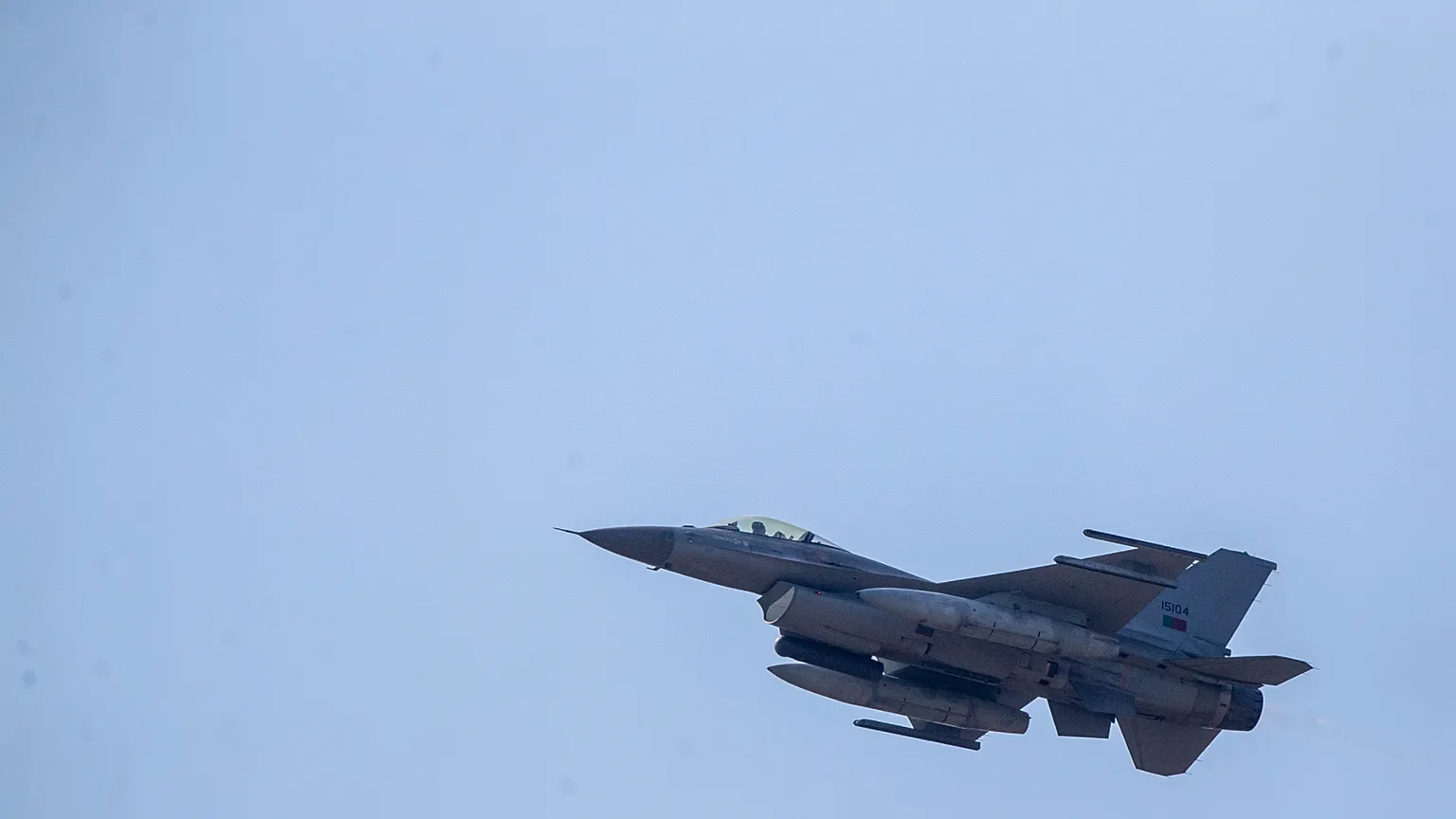
A defensive response exposes Europe’s fragile security perimeter.
Warsaw, Poland.
Poland deployed military aircraft on September 19 in response to a renewed wave of Russian drone attacks against Ukraine, placing its air defense systems and radar surveillance network on heightened alert. The Polish Armed Forces Operational Command described the deployment as a preventive measure intended to protect national airspace, particularly near areas threatened by Russian strikes across the border. The operation concluded at approximately 10:30 a.m., with authorities confirming that no violations of Polish airspace had occurred. The incident nevertheless illustrates the growing operational demands facing NATO members bordering Ukraine.
According to the Polish military, the latest Russian attacks involved jet-powered unmanned aerial vehicles, a category of weapons capable of presenting additional challenges for detection and interception. Poland activated its military aviation while ground-based air defense and radar systems remained ready to respond to potential threats. The forces operated under the coordination of the Air Operations Centre, which monitored developments across the affected region. Once the immediate threat had subsided, the military returned its defensive systems to standard operational readiness.
The mobilization follows several similar incidents involving Poland’s eastern frontier. On Thursday, fighter jets were scrambled twice after Russian attacks targeted western Ukraine, prompting authorities to activate warning sirens in the Podkarpackie and Lublin regions. Airports in Rzeszów and Lublin temporarily suspended operations as precautionary measures. Prime Minister Donald Tusk subsequently reported that a Russian drone had struck a petrol station on Ukrainian territory near the Dorohusk border crossing.
Another alert occurred on Friday morning and continued until approximately 9 a.m., reinforcing concerns about the frequency of emergency aviation procedures. These operations require coordination between military authorities, civilian air traffic controllers and institutions responsible for protecting critical infrastructure. Even when no projectile crosses an international border, the proximity of attacks can disrupt transportation and place additional demands on national defense resources. The distinction between a confirmed incursion and a preventive deployment remains essential to understanding the current situation.
Poland’s geographical position gives these incidents particular strategic significance. Its territory serves as an important logistical corridor connecting Ukraine with European partners, while its eastern border forms part of NATO’s collective security perimeter. Repeated Russian attacks near this frontier increase the importance of surveillance, rapid identification of aerial threats and coordination among allied forces. However, the latest Polish deployment does not establish that Russia directly attacked Polish territory on September 19.
The Polish Armed Forces have reiterated that they are continuously monitoring developments and maintaining the capacity to respond immediately when necessary. Their latest operation ended without a reported airspace violation, but the recurring alerts demonstrate how military activity inside Ukraine continues to affect security procedures beyond its borders. For Poland, protecting civilian aviation and national airspace has become a sustained operational responsibility rather than an occasional emergency.
La verdad es estructura, no ruido. / Truth is structure, not noise.