

 Phoenix 24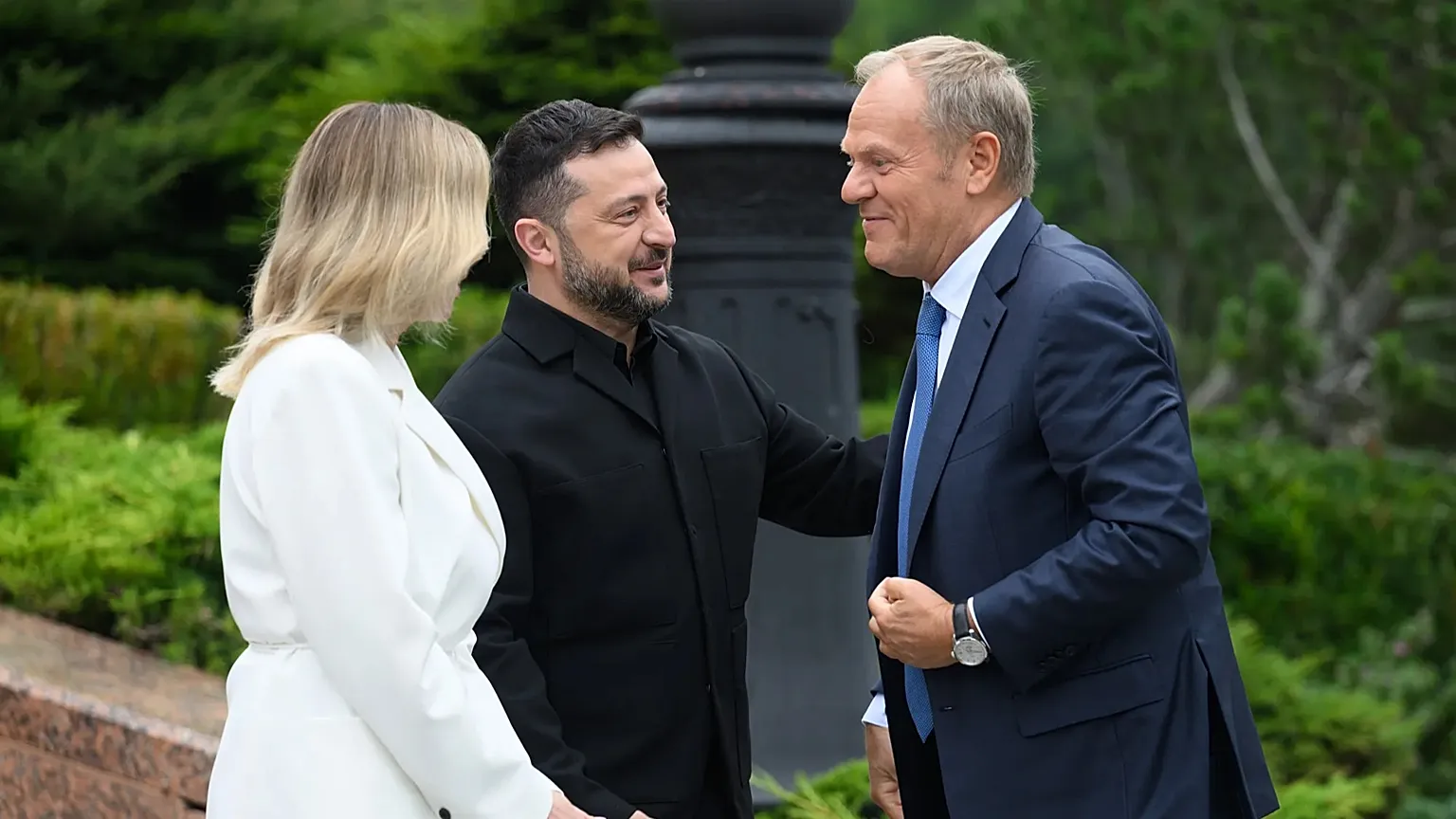
Ukraine transforms geography into an economic cooperation strategy.
Bukovel, Ukraine.
Ukrainian President Volodymyr Zelenskyy has launched the Carpathian Eight (C8), a regional cooperation initiative bringing together eight Central and Eastern European countries to strengthen economic development, security and cross-border connectivity. Announced at a summit in western Ukraine on September 18, the initiative aims to attract €9.4 billion in investment through approximately 90 joint projects presented to potential investors. The European Union is also participating in the initiative, which seeks to transform the Carpathian region into a strategic corridor for trade, energy and transportation. The proposed investments represent financing requirements rather than funds already secured.
The C8 brings together Ukraine, Romania, Serbia, Poland, Slovakia, the Czech Republic, Austria and Hungary. Its cooperation agenda encompasses energy infrastructure, logistics, military mobility, critical minerals and economic development in border communities. Zelenskyy presented the Carpathians as a region capable of moving beyond its traditional association with tourism and environmental cooperation. The initiative seeks to connect existing national capabilities through a more coordinated regional framework.
Geography occupies a central position in the proposal. Ukraine envisions the Carpathian region as a European gateway for commercial routes originating in the South Caucasus and Asia through the Black Sea. Improved transportation infrastructure could strengthen connections between eastern and western European markets while facilitating the movement of industrial goods and strategic resources. These ambitions carry particular significance for Ukraine, whose international trade routes have faced severe disruption since Russia’s full-scale invasion in 2022.
Economic cooperation forms another important dimension. Summit organizers presented approximately 90 projects during an Investment Lab designed to connect regional development initiatives with potential financing partners. The estimated €9.4 billion requirement reflects the scale of the proposed portfolio, although individual financing commitments and implementation schedules have not been established for every project. According to Reuters, a separate business forum involving approximately 550 representatives was expected to produce trade and investment agreements worth around €1 billion.
Political differences remain an important consideration. Polish Prime Minister Donald Tusk, Serbian President Aleksandar Vučić and Romanian President Nicușor Dan attended the inaugural summit, demonstrating participation across governments with differing positions on Russia’s war in Ukraine. Poland and Romania have provided substantial support to Kyiv, while Hungary, Serbia and Slovakia have declined to supply direct military assistance. The C8 framework therefore brings together countries whose economic interests overlap despite disagreements over security policy.
The initiative also intersects with Europe’s broader efforts to strengthen energy security and regional infrastructure. Cross-border electricity networks, transportation corridors and mineral supply chains could create opportunities for industrial development while reducing certain logistical vulnerabilities. However, translating these objectives into operational projects will require financing, regulatory coordination and sustained cooperation among participating governments.
Zelenskyy’s proposal introduces a framework for regional integration at a time when Ukraine’s reconstruction and Europe’s security remain closely connected. Its immediate significance lies in establishing a platform for investment and coordination rather than creating a new military alliance or guaranteeing financial commitments.
The Carpathian Eight places economic development, infrastructure and security within a shared regional agenda. Its longer-term consequences will depend on whether the participating countries can transform their announced priorities into financed projects and functioning cross-border networks.
Más allá de la noticia, el patrón. / Beyond the news, the pattern.