

 Phoenix 24
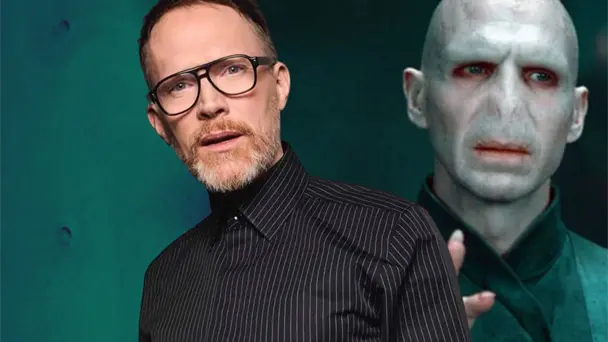
In franchise culture, speculation often arrives as strategy.
London, March 2026
The report that Paul Bettany is being considered for Voldemort in the upcoming Harry Potter series has quickly moved through entertainment media, but the most important fact at this stage is procedural: it remains a rumor, not an official casting confirmation. Multiple entertainment outlets circulated the claim on March 4, attributing it to insider reporting that Bettany is a top choice for HBO’s adaptation. The speed of that spread says as much about franchise media dynamics as it does about the role itself. In high-profile reboots, casting speculation now functions as a parallel publicity cycle, generating momentum, fan testing, and narrative framing before studios release formal decisions.
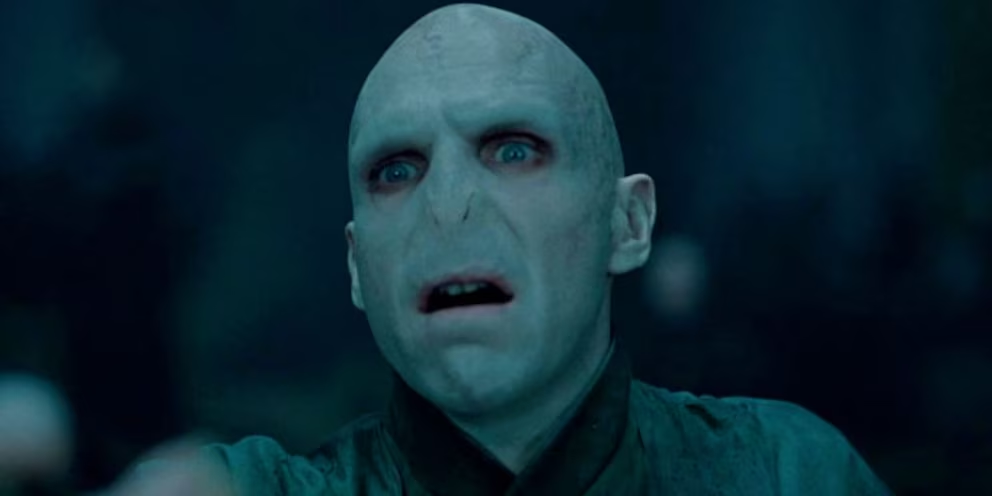
What gives this rumor traction is not only Bettany’s profile, but the vacancy he is rumored to fill. Voldemort is one of the most symbolically loaded roles in the Harry Potter universe, and any actor linked to it will immediately be measured against Ralph Fiennes’ performance, fan expectations, and the tonal direction of the new series. Bettany fits the kind of profile that keeps these rumors alive: established, theatrical, recognizable to global audiences, and capable of carrying menace without depending on spectacle alone. That does not make the rumor true, but it makes it narratively plausible, which is often enough to sustain a media cycle in the absence of studio confirmation.
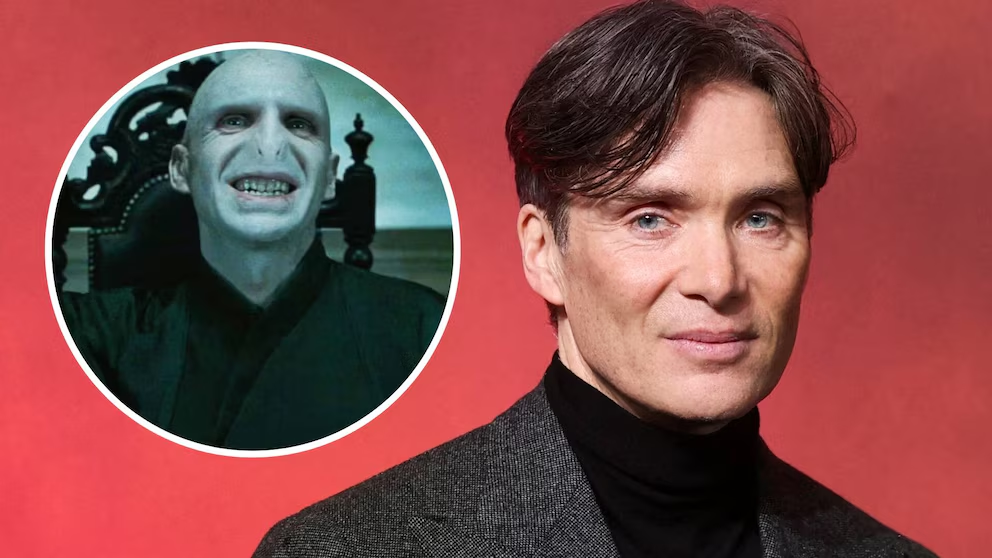
The rumor also arrives after long-running fan and media speculation around Cillian Murphy for the role, a possibility Murphy has publicly denied in prior coverage. That matters because franchise rumor ecosystems rarely disappear when one candidate exits the conversation. They simply migrate to the next plausible name. In this case, Bettany becomes a strong replacement subject because he combines prestige-screen credibility with major franchise experience through Marvel, which allows entertainment coverage to frame the story as a crossover event rather than a routine casting update. The result is a rumor with built-in headline value across both fandom and mainstream entertainment media.
There is a structural reason Voldemort speculation generates this much attention even before the role is likely to become central on screen. In the earliest phase of the Harry Potter story, Voldemort is more myth, threat, and fragmented presence than fully embodied villain. That creates a paradox for the adaptation. The role is narratively crucial, but its visual and performative centrality grows over time. As a result, the studio’s casting decision carries long-term strategic weight even if the initial on-screen use is limited. This encourages media speculation because the actor chosen for Voldemort is not just being cast for one season. He is being cast as a future anchor of the series’ darker arc.
For HBO and the production, that creates a familiar franchise challenge: balancing fan appetite for major names with the practical logic of long-term scheduling, tonal consistency, and budget discipline. A high-profile actor can add immediate prestige and media traction, but the studio also needs someone who can support a multi-season plan if the adaptation unfolds across years. Bettany’s name fits the prestige side of that equation, which is one reason the rumor resonates. Whether he fits the production’s long-horizon requirements is a separate question that outside coverage cannot answer yet. This is precisely where rumor coverage tends to blur casting desire with casting reality.
The current cycle also shows how modern entertainment journalism and fan discourse now co-produce casting narratives. Trade-level confirmation, insider reports, social media amplification, and commentary channels often merge into a single stream where the distinction between “possible,” “preferred,” and “cast” becomes unstable. By the time a studio comments, the audience may already feel that a decision has been made, even when nothing has been finalized. This dynamic does not only affect expectations. It shapes how any eventual casting is received, because fans judge the official announcement against the rumor story they have already internalized.
For Bettany, the rumor itself carries a reputational effect regardless of outcome. Being linked to Voldemort positions him inside the conversation around one of the most watched TV franchise projects in development, which reinforces his standing as a serious candidate for large-scale prestige genre roles. If the casting happens, the narrative becomes one of franchise transition and reinvention. If it does not, the rumor still functions as a marker of demand and perceived fit. In franchise ecosystems, even unconfirmed association can become part of an actor’s public positioning.
What changes on the wider board is not yet the Harry Potter cast list, but the mechanism by which audiences are trained to consume it. The Paul Bettany-Voldemort rumor is a reminder that in major franchise reboots, speculation is no longer a side effect of publicity. It is part of the publicity environment itself. Until official confirmation arrives, the most accurate reading is simple: plausible, high-traction, and unconfirmed. But even in that provisional state, the rumor is already doing cultural work by shaping expectations for the kind of Voldemort this new adaptation may want to build.
Narrative is power too. / Narrative is power too.