

 Phoenix 24
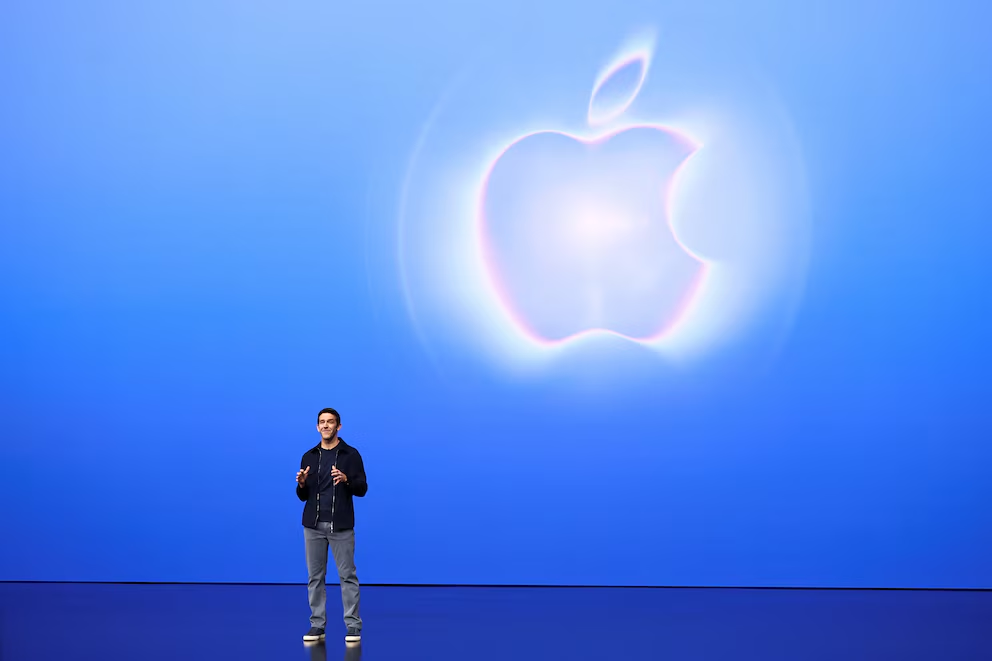
CUPERTINO, CALIFORNIA — November 2, 2026. Apple Chief Executive Officer John Ternus has challenged the idea that artificial intelligence agents will inevitably replace traditional mobile applications, arguing that human creativity and thoughtful product design will remain central to the technology industry’s future. In an interview with WIRED journalist Steven Levy, published on October 30, the executive outlined a strategy that prioritizes useful innovation over the rapid introduction of artificial intelligence features. His remarks come as technology companies increasingly explore autonomous AI systems capable of performing tasks that previously required users to navigate multiple applications.
Ternus, who succeeded Tim Cook as Apple’s CEO on September 1, acknowledged that intelligent agents could simplify many everyday activities. Rather than definitively ruling out changes to how applications operate, however, he emphasized the enduring importance of human involvement in creating technology. For Apple, the central question is not whether artificial intelligence can automate a particular activity, but whether the resulting product offers a meaningful improvement in people’s lives. His comments suggest a preference for integrating AI into established experiences instead of abandoning familiar interfaces simply because an alternative technology has emerged.
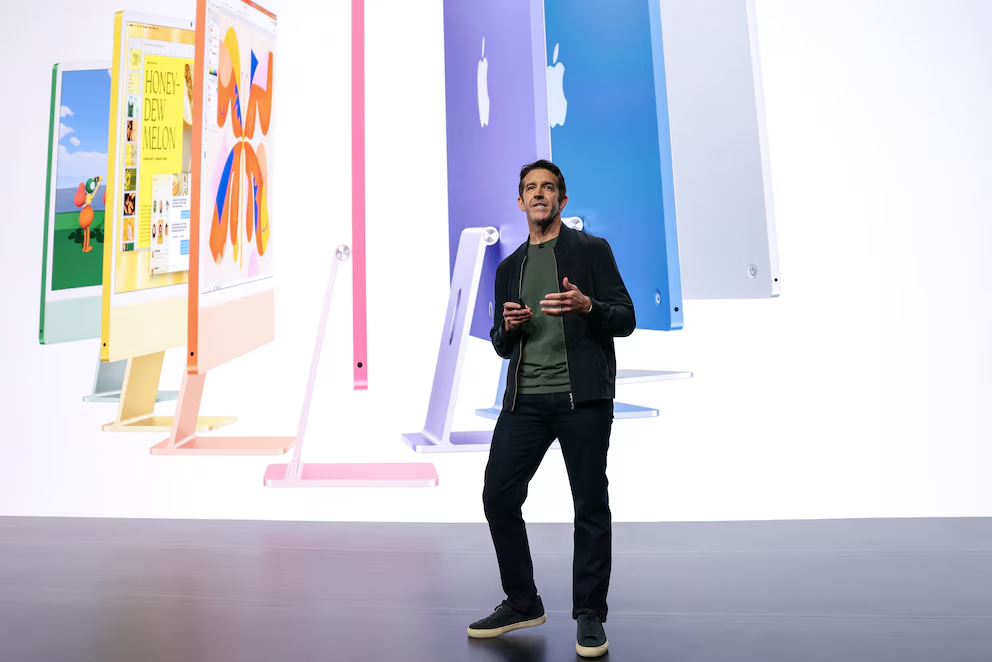
The debate concerns a potentially significant transformation in personal computing. Traditional applications require users to open specific programs, navigate interfaces and perform individual actions to accomplish their objectives. AI agents introduce a different possibility: users could describe an intended outcome, allowing software to coordinate tasks across several digital services. An agent might organize travel arrangements, compare products or prepare documents through a sequence of automated interactions. Although these capabilities are developing rapidly, their practical reliability depends on permissions, access to external services and mechanisms for verifying that actions reflect users’ intentions.
Apple’s position is particularly significant because its commercial ecosystem depends heavily on applications distributed through the App Store. Developers create software for the iPhone, iPad and Mac, while Apple provides operating systems, development tools and commercial infrastructure. A shift toward agent-mediated computing could change how consumers discover applications, interact with services and complete digital transactions. It might also influence the economic relationships connecting platform operators, developers and consumers, especially if intelligent assistants increasingly become the principal interface through which users access digital functionality.
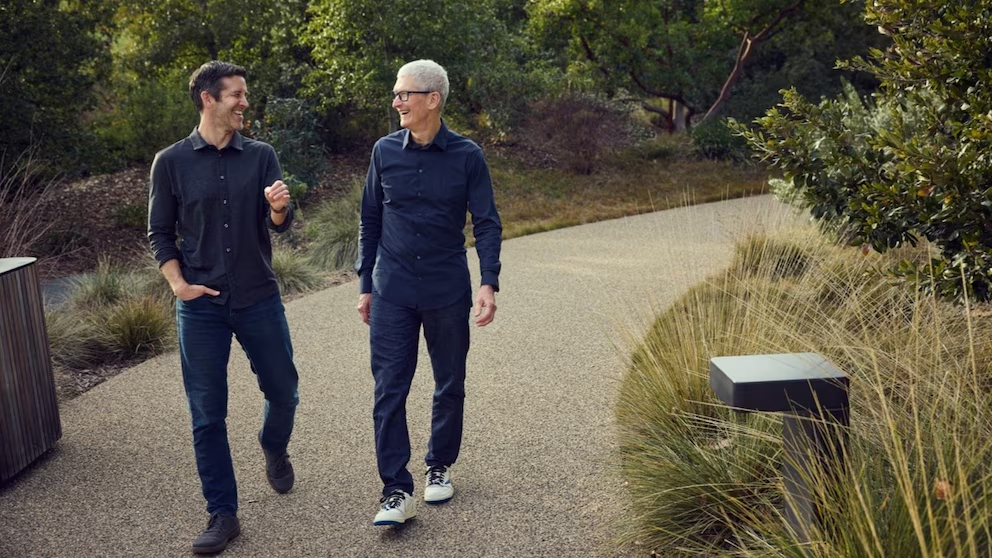
Ternus nevertheless made clear that Apple intends to incorporate artificial intelligence into its products. He rejected the idea of introducing AI merely to demonstrate technological sophistication, arguing that successful integration should feel natural to consumers. The executive suggested that users should not have to distinguish between functions powered by machine learning and those delivered through conventional software. That philosophy reflects Apple’s longstanding emphasis on combining hardware, software and interface design into a coherent experience rather than promoting individual technical capabilities in isolation.
The remarks arrive during a period of heightened scrutiny surrounding Apple’s artificial intelligence strategy. Competitors have invested heavily in advanced language models, autonomous agents and computing infrastructure, while Apple has faced criticism over delays in expanding Siri’s capabilities. The company’s upgraded voice assistant arrived during the summer of 2026, following an extended development period. Ternus has defended Apple’s position, maintaining that the company remains focused on building products that customers value. Whether this approach can sustain Apple’s competitiveness will depend on the effectiveness of its AI services and their integration across the company’s devices.
The new CEO’s professional background helps explain that emphasis. Ternus joined Apple in 2001 and spent approximately 25 years working in hardware engineering before assuming the company’s highest executive position. His responsibilities included major product categories such as the Mac, iPad, iPhone and Apple Watch, along with participation in the transition from Intel processors to Apple’s proprietary silicon. His engineering experience places product development at the center of his leadership philosophy, even as the company’s commercial environment increasingly requires decisions involving AI infrastructure, digital services and international competition.
The relationship between artificial intelligence and human creativity presents opportunities and challenges beyond Apple’s business model. Automated systems can accelerate software development, analyze information and help designers explore technical alternatives. However, meaningful product innovation also requires understanding human behavior, accessibility, cultural expectations and the consequences of technological decisions. An AI system may generate functional interfaces, but determining whether those interfaces are intuitive, inclusive and appropriate for a particular audience remains a broader design and governance challenge.
Security and privacy introduce additional complications. AI agents operating across applications may require access to personal messages, calendars, documents, financial information or external accounts. Granting such access raises questions about user consent, data protection and accountability when automated systems make mistakes. During his interview, Ternus emphasized Apple’s responsibility to develop secure products and protect users’ information. The company’s ability to balance increasingly autonomous functionality with meaningful human control will be important in determining consumer trust.
The discussion also carries implications for independent software developers. If intelligent agents become the primary means of interacting with digital services, developers may need to redesign applications around interoperable functions rather than conventional visual interfaces. Some services could become less visible to users even while their underlying capabilities remain essential. Others may benefit from new opportunities to make their tools accessible through automated workflows. The transition would therefore represent an evolution in software distribution and interaction, not necessarily the disappearance of applications themselves.
Ternus’s comments should not be interpreted as proof that AI agents cannot replace certain application functions. His argument is principally about preserving human-centered product development as computing technologies evolve. The distinction matters because the future may involve applications, intelligent assistants and autonomous systems operating together in ways that are not yet fully established.
For Apple, the strategic challenge is to determine where automation genuinely improves the user experience and where direct human interaction remains preferable. As artificial intelligence changes the relationship between people and digital technologies, the company’s new leadership is emphasizing a familiar principle: technological progress should ultimately be evaluated by the value it creates for users. The future of computing may become increasingly autonomous, but the decisions shaping that future will still involve questions of design, trust, accessibility and human purpose.
Phoenix24: Beyond the technology, the human dimension. / Más allá de la tecnología, la dimensión humana.