

 Phoenix 24
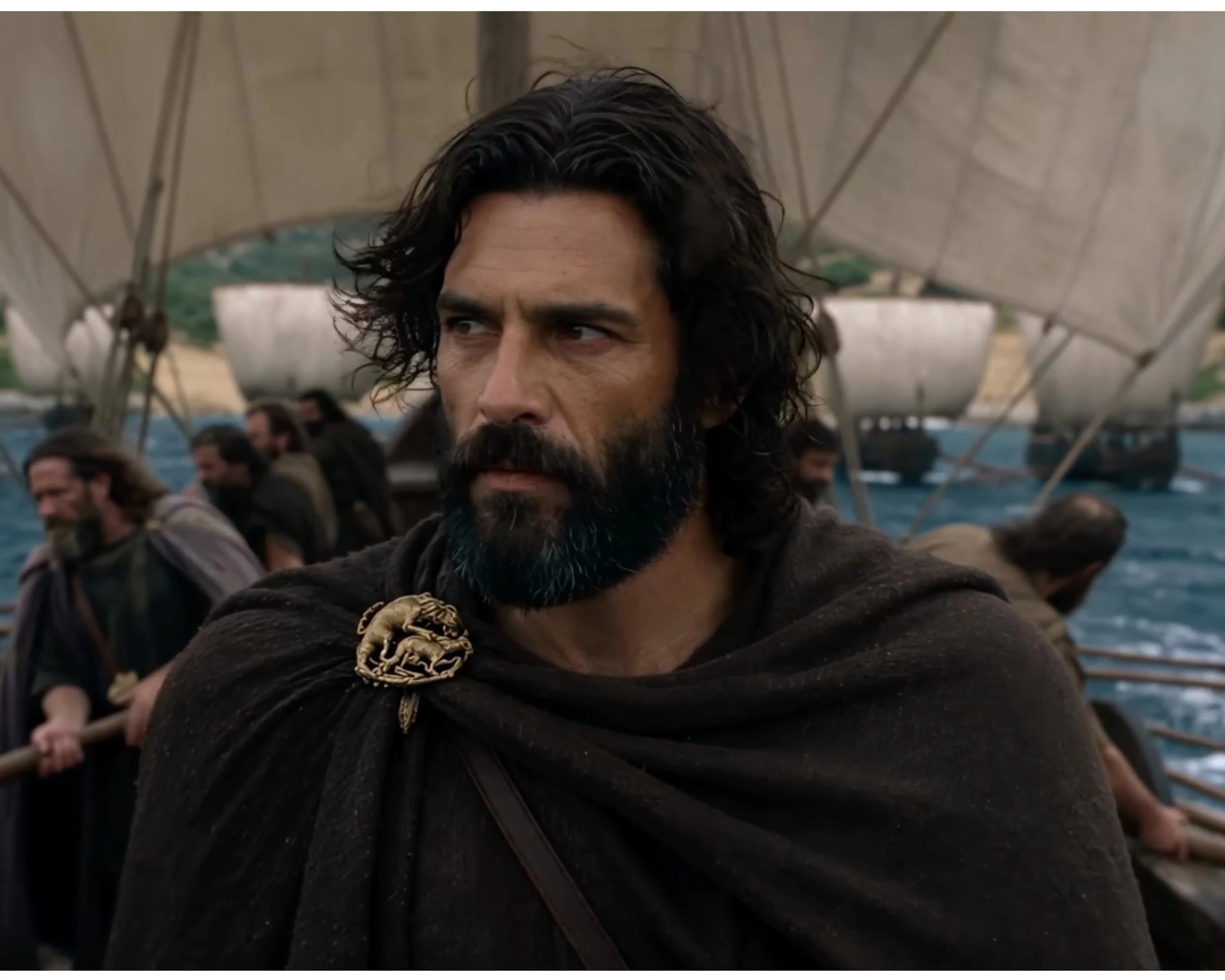
Ambitious technology meets the demands of cinematic storytelling.
London, United Kingdom
Elon Musk’s artificial intelligence adaptation of Homer’s The Odyssey has encountered overwhelmingly negative reviews following the release of its first seven-minute episode, reigniting debate over whether generative AI can produce compelling cinema. Created with Grok Imagine in collaboration with Wonder Studios and director Dev Walker, the project was initially presented as an alternative to Christopher Nolan’s blockbuster adaptation. Critics have questioned its narrative coherence, visual consistency and emotional impact, despite acknowledging the technical progress demonstrated by some of its computer-generated imagery.
The controversy began months before the episode appeared. Musk had criticized Nolan’s casting decisions, particularly the inclusion of Lupita Nyong’o and Elliot Page, and subsequently promised a historically accurate, feature-length interpretation of the ancient Greek epic using his company’s AI technology. Instead, the material released in late October consisted of a short installment depicting Odysseus preparing for the Trojan War, leaving his family and joining the Greek campaign. The production’s departure from the originally announced format attracted additional scrutiny.
Professional reviews were especially critical of the storytelling. The Guardian awarded the episode one star, with film critic Peter Bradshaw questioning the dramatic motivation behind its principal scenes. The Telegraph highlighted unsettling character appearances and inconsistent visual details, while TechCrunch acknowledged moments of convincing imagery but found the overall narrative lacking in emotional engagement. Reactions from social media users similarly focused on artificial-looking performances, awkward dialogue and characters whose expressions appeared disconnected from the events unfolding around them.
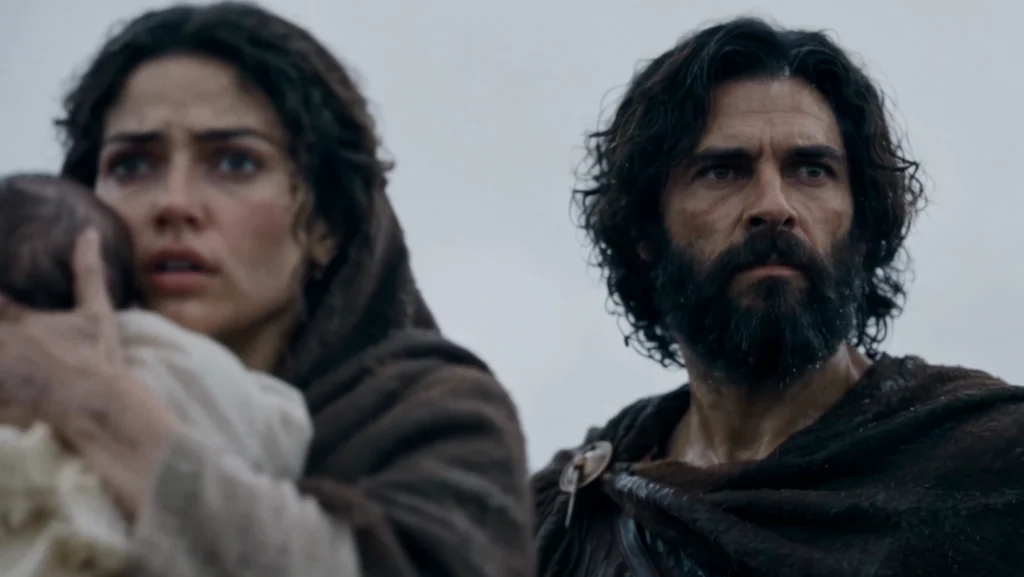
The production nevertheless revealed significant differences between conventional filmmaking and AI-assisted creation. Xavier Collins, co-founder of Wonder Studios, explained that a three-person creative team completed the episode in less than two weeks at a reported cost of tens of thousands of dollars. Nolan’s cinematic adaptation, by comparison, reportedly required approximately $250 million and a large international production team. The financial contrast illustrates the potential efficiency of generative technology, although the two projects differ substantially in duration, production methods and creative ambitions.
Collins also clarified that his team had not been instructed to produce an ideologically motivated response to Nolan’s film. According to the producer, the collaboration was intended to explore the capabilities and limitations of advanced video-generation systems. He acknowledged criticism of pacing and historical details, indicating that subsequent episodes could incorporate improvements. His explanation distinguishes the filmmakers’ technical experimentation from the public controversy surrounding Musk’s original announcement.
The debate extends beyond a single adaptation. Generative AI can accelerate visual experimentation and potentially reduce certain production expenses, but compelling filmmaking also depends on characterization, dramatic structure, performance and artistic judgment. The negative reception of this particular project does not establish that AI-assisted cinema lacks a future, nor does technological efficiency demonstrate creative equivalence. For audiences and filmmakers alike, Musk’s Odyssey has become a highly visible example of the distance that can remain between generating convincing images and constructing a meaningful cinematic experience.
Where Innovation Meets Responsibility.