

 Phoenix 24
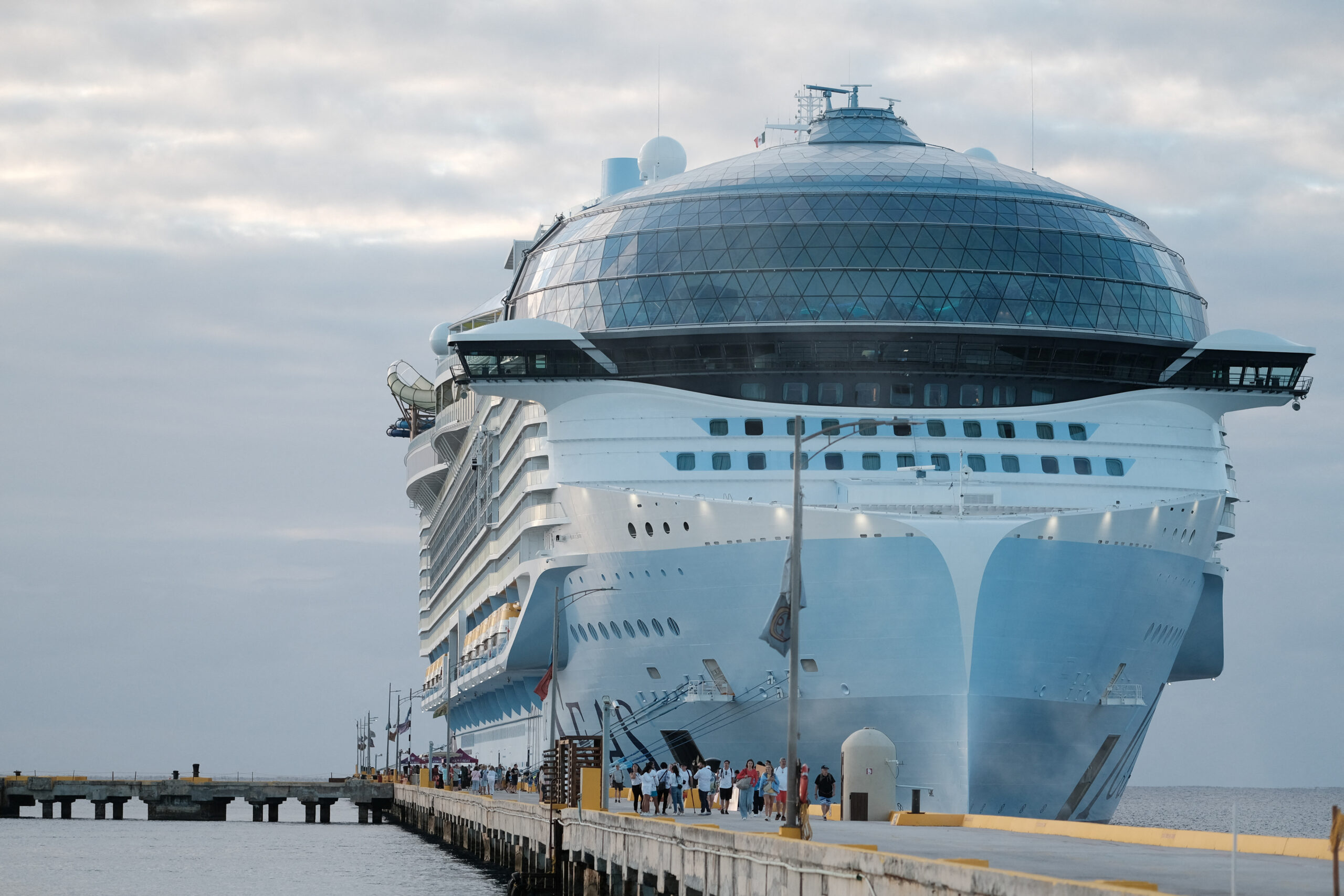
Ship maintenance is becoming a geopolitical logistics decision.
Panama City, March 2026
Royal Caribbean’s evaluation of a floating dry dock project in Puerto Armuelles, Panama, is more than a local infrastructure story. It points to a broader strategic shift in how cruise operators and maritime firms are thinking about maintenance capacity, route efficiency, and industrial resilience in the Pacific. Recent reporting in Panama and trade media describes a proposal centered on a floating dry dock with capacity of around 130,000 tons and roughly 400 meters in length, designed to service large vessels without sending them to Asian shipyards. That detail matters because it turns the project from a regional development headline into a structural logistics proposition. A repair platform of that scale would not simply create jobs. It would reposition maintenance geography.
Puerto Armuelles is an especially revealing location for this kind of proposal. For years, the area has appeared in policy conversations about regional development and logistics diversification, but major projects often remained at the level of aspiration. The Royal Caribbean-linked assessment changes the tone because it ties local infrastructure potential to a global operator with direct operational needs. Reports also indicate Panamanian authorities are presenting the initiative as part of a broader transformation strategy for western Panama, including logistics, industrial, and maritime services. In practical terms, this is not being framed only as a cruise investment. It is being framed as an anchor project that could help convert a port zone into a maintenance and support node with wider economic effects.
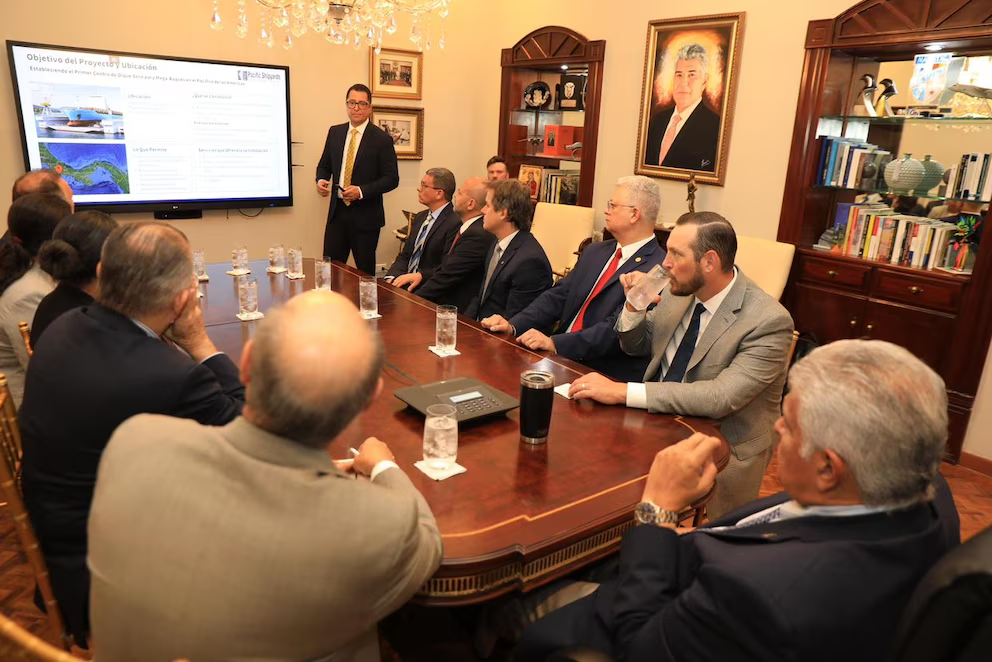
The floating dry dock concept itself is strategically important. Unlike conventional shipyard expansion that can require long timelines and heavier fixed construction, floating dock infrastructure can offer a more modular path to entering the repair market, especially in locations trying to accelerate industrial capacity. If executed under international safety and environmental standards, as reported in project presentations, this format can create a lower-friction entry into a high-value service segment. That does not eliminate technical, regulatory, or financing complexity. It does, however, suggest a business model based on speed, flexibility, and operational specialization rather than traditional shipyard gigantism. In a volatile maritime economy, that is not a minor distinction.
For Royal Caribbean, the logic is also easy to read at a portfolio level. Cruise fleets require periodic dry dock maintenance, upgrades, and technical interventions, and those cycles create operational bottlenecks when yard capacity is concentrated in a limited number of global hubs. A Pacific-side maintenance option in Panama could reduce transit inefficiencies for certain vessels, improve scheduling flexibility, and give the company more control over maintenance planning in the Americas. Even if the investment structure remains under evaluation and local capital participation is emphasized in current reporting, the strategic benefit to the cruise line is clear. Maintenance access is no longer just a technical necessity. It is a competitive variable.
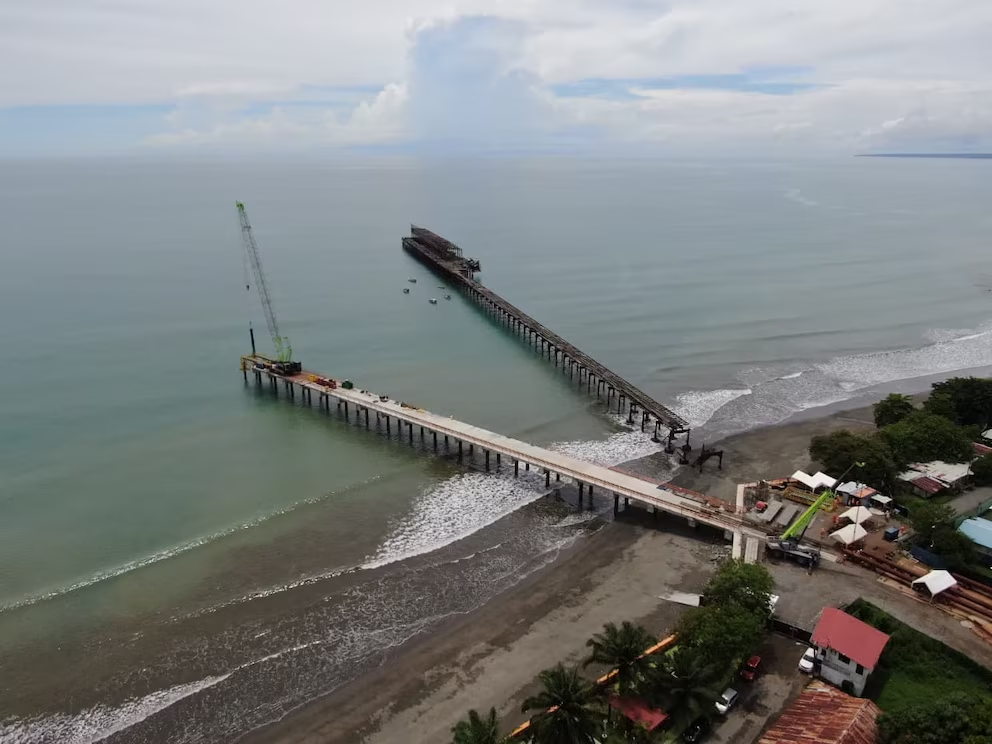
The proposal also intersects with a larger pattern in maritime industry planning: the search for resilience after years of supply chain shocks, route disruption, and cost volatility. Shipping and cruise operators increasingly treat infrastructure decisions through the lens of redundancy and strategic positioning, not only immediate cost. A dry dock in Puerto Armuelles would fit that pattern by expanding service capacity closer to major operating regions while reducing dependence on distant repair ecosystems. This does not mean Asian yards lose relevance. It means global operators are reassessing concentration risk and looking for selective alternatives where geography, draft conditions, and political support align.
Panama’s role in this story is bigger than national industrial policy. The country already occupies a central place in maritime imagination because of the canal, port infrastructure, and logistics services. A major floating dry dock project on the Pacific side would deepen Panama’s position as a maritime systems player, not only a transit corridor. That matters strategically because value capture in global shipping has increasingly shifted toward services, maintenance, logistics orchestration, and infrastructure ecosystems, not just passage fees or port calls. If Panama can attract and sustain this type of investment, it broadens the country’s maritime relevance in a direction that is industrial rather than purely transit-based.
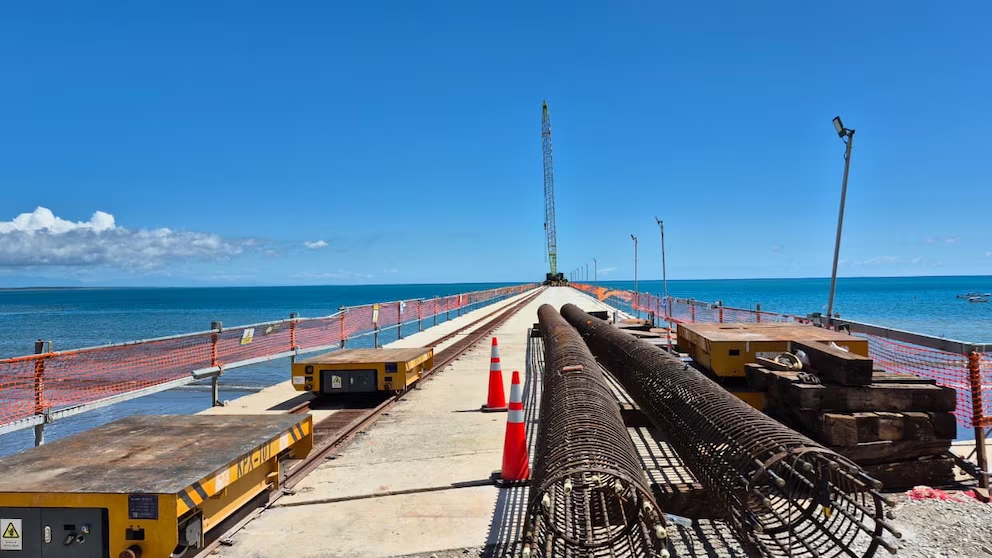
Still, this remains an evaluation phase, and that point should be kept clear. Proposals of this scale often move through technical studies, environmental review, financing design, and political negotiation before becoming executable projects. Public enthusiasm can rise faster than implementation certainty, especially when job creation estimates and strategic narratives enter the conversation early. Current reporting mentions potential employment gains in the hundreds over coming years, which helps explain the local and national interest. But the decisive questions will be execution discipline, long-term commercial viability, and whether the project can maintain high operational standards in a competitive repair market.
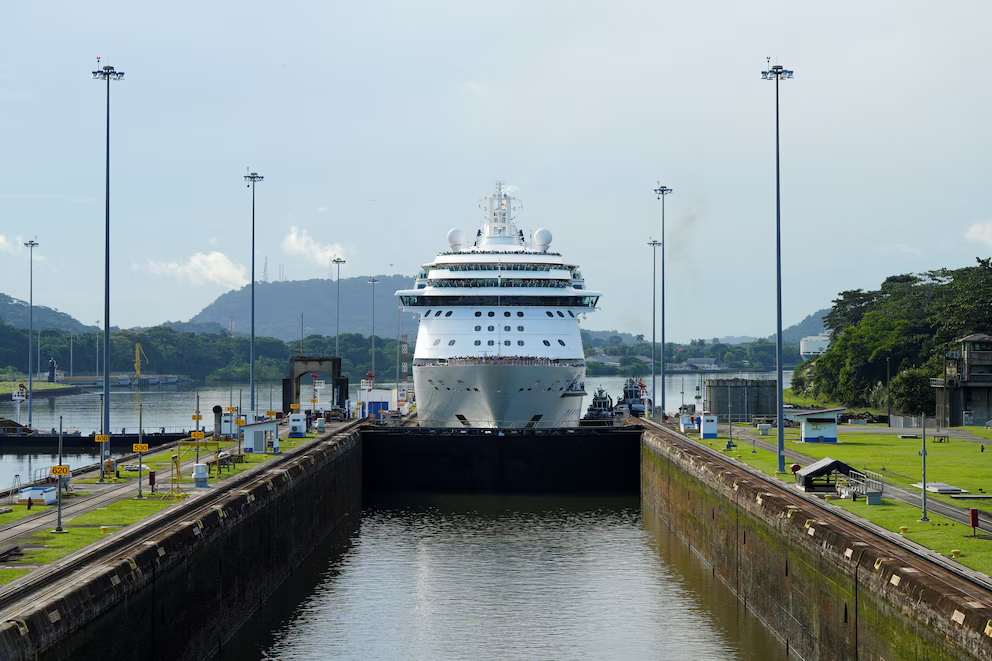
What changes on the wider board is how cruise infrastructure is being imagined. Royal Caribbean’s interest in a dry dock at Puerto Armuelles suggests the sector is thinking beyond ships and itineraries toward industrial positioning and maintenance sovereignty in key regions. The proposal is not just about where vessels get repaired. It is about who controls the time, cost, and geography of keeping fleets operational in an era where logistics resilience has become part of corporate strategy.
The truth is structure, not noise. / Truth is structure, not noise.