

 Phoenix 24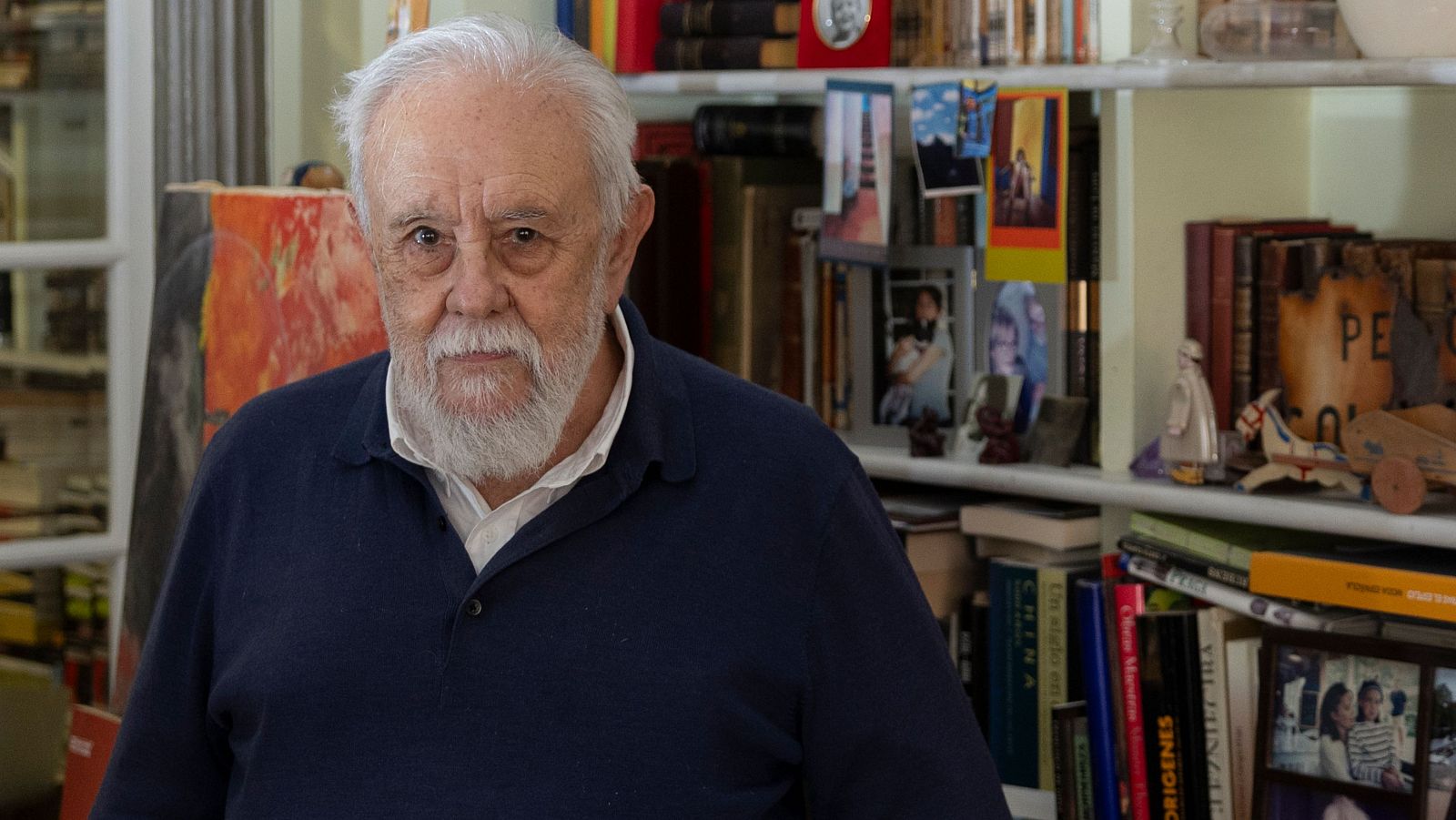
Spain loses a creator who refused to separate storytelling from experimentation.
Madrid
Spanish filmmaker, writer and screenwriter Gonzalo Suárez has died at the age of 92 at his home in Madrid, closing a career that stretched across more than six decades and moved continuously between literature and cinema. His family confirmed the death on Tuesday, ending the life of one of Spain’s most distinctive cultural figures.
Suárez occupied an unusual position in Spanish culture because he never treated filmmaking and writing as separate disciplines. His work frequently crossed the boundaries between narrative forms, combining literary imagination, visual experimentation and a taste for stories that resisted conventional classification. That hybrid identity became one of the defining characteristics of his career.
Among his best known films was Remando al viento, a work that helped consolidate his reputation as a director capable of combining historical material with literary invention. Over the years, he also developed a substantial body of written work, making him one of the relatively rare Spanish creators whose cultural legacy rests on both the page and the screen.

Recognition followed across different stages of his career. Suárez received the National Cinematography Award and was later honored with the Goya de Honor in 2026, one of the highest distinctions granted by the Spanish film industry. The award acknowledged not only individual films but the breadth of a career defined by formal freedom and resistance to easy categorization.
His trajectory also reflected a generation of Spanish artists who worked through profound cultural and political transformations. From the final years of the Franco era through Spain’s democratic transition and into the contemporary audiovisual landscape, Suárez continued producing work without abandoning the personal style that had distinguished him from more conventional directors.
That consistency helps explain the scale of the tributes following his death. For filmmakers and writers alike, Suárez represented a model of creative independence. He moved between genres and mediums without adapting his identity to the expectations of either one.
His death therefore closes more than a long professional career. It removes one of the figures who most clearly demonstrated that cinema and literature can function as different expressions of the same artistic impulse.
Narrative is power too.