

 Phoenix 24
Diplomatic progress erased an early surge driven by renewed threats.
NEW YORK, United States | June 2026
Oil prices fell sharply on Monday as signs of diplomatic progress between the United States and Iran reduced fears of an immediate disruption to global supplies. Brent crude declined 3.31 percent to close at $77.90 a barrel after trading as high as $82.30 earlier in the session. West Texas Intermediate also retreated, with the July contract falling to $74.82 and the more active August contract closing near $73.37. The reversal showed how quickly energy markets are responding to every development involving the Strait of Hormuz.
Prices initially rose after President Donald Trump threatened renewed military action against Iran and Tehran announced another closure of the strategic waterway. Those statements revived concerns that commercial vessels could face delays or that oil exports from the Gulf could be interrupted. Traders responded by rebuilding part of the geopolitical risk premium that had recently begun to disappear. The rally weakened once negotiators reported progress in Switzerland and shipping continued moving through the strait.
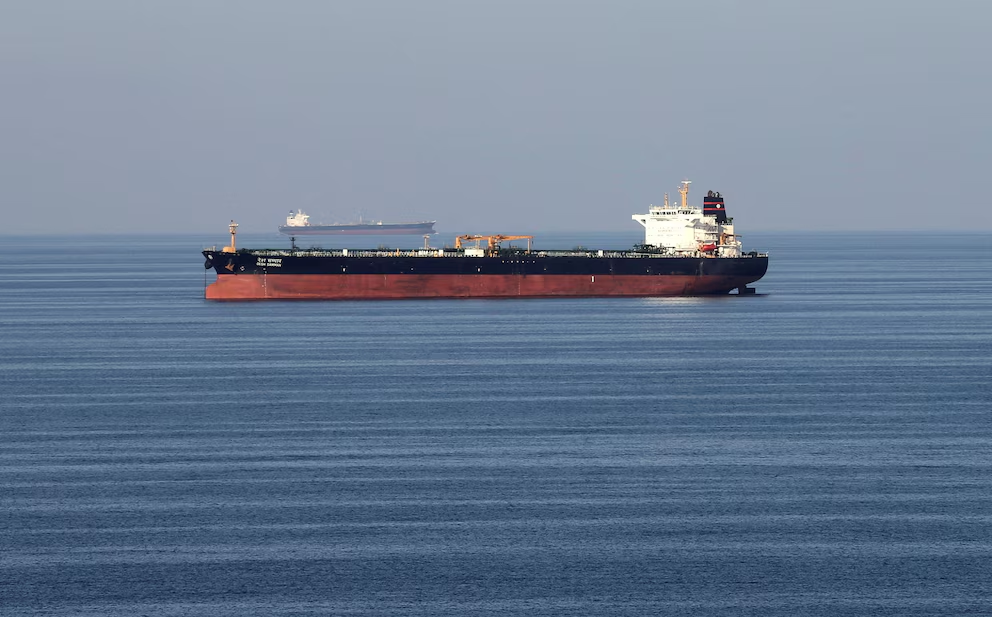
Senior American and Iranian representatives completed their first round of direct negotiations under a memorandum of understanding reached the previous week. The framework extends the current ceasefire for at least 60 days and creates additional time for technical discussions. Qatar and Pakistan, which are acting as mediators, described the talks as encouraging. The parties also discussed mechanisms intended to limit fighting in Lebanon and maintain navigation through Hormuz.
United States Vice President JD Vance said the waterway remained open to maritime traffic. His statement helped calm investors because Hormuz is one of the most important energy corridors in the world. A substantial share of globally traded oil and liquefied natural gas passes through the narrow route connecting Gulf producers with international markets. Any prolonged closure could increase prices, insurance costs and transportation delays across the global economy.
Washington also issued a general license temporarily authorizing transactions involving Iranian crude, petrochemicals and related products. The measure will remain in effect for 60 days, until August 21, even though broader economic sanctions formally continue. It permits activities connected to the production, sale, transportation and importation of Iranian hydrocarbons that had previously been prohibited. The decision increased expectations that additional Iranian supply could reach the market during the negotiating period.
The United States linked the temporary authorization to expectations that Iran would again receive international nuclear inspectors. Tehran, however, disputed the suggestion that new nuclear commitments had been made during the Swiss discussions. Iranian Foreign Ministry spokesperson Esmail Baghaei said the country had not negotiated its nuclear program in the latest round. That disagreement shows that the diplomatic opening remains fragile despite its immediate effect on commodity prices.
Shipping data also presented a more complicated picture than the political statements suggested. Traffic through Hormuz remained below prewar levels, even though the route had not closed completely. Tracking services counted 26 crossings by vessels transporting raw materials by Monday, compared with a higher number recorded over the weekend. The figures indicated continued caution among shipowners and operators.
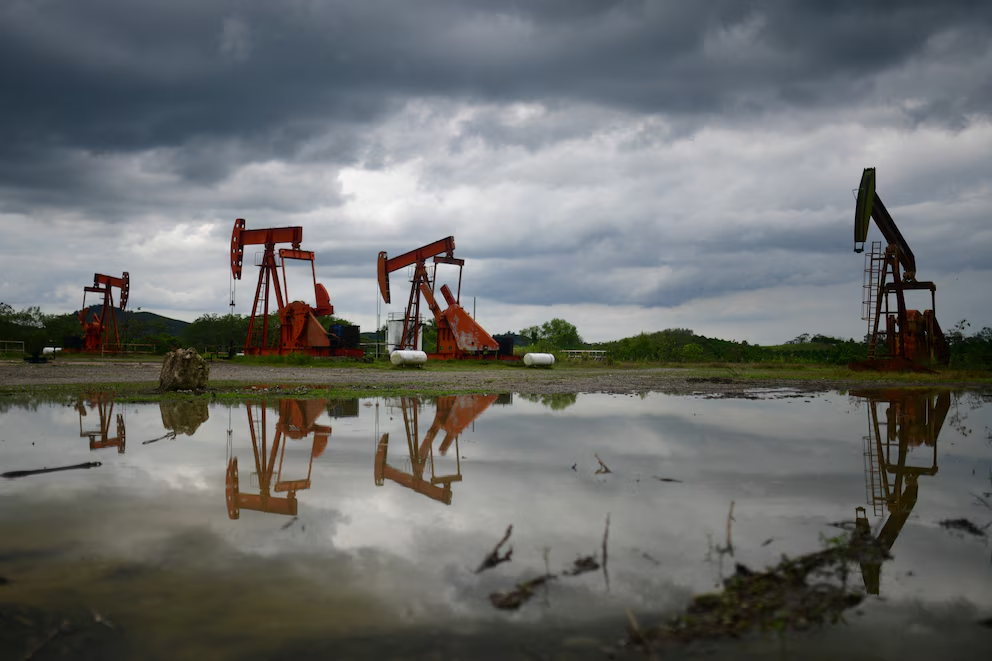
Analysts said the market reacted positively because commercial traffic was still moving and the threatened closure failed to become absolute. The distinction between reduced activity and a complete shutdown is critical for pricing. Lower traffic can increase costs and create delays, but a total interruption would remove large volumes from the market and produce a much more severe shock. Investors therefore reduced the premium added during the first hours of trading.
The decline in oil also followed several sessions of volatility caused by conflicting political signals. Markets have repeatedly moved higher after military warnings and lower after announcements of ceasefires, sanctions relief or direct negotiations. This pattern demonstrates that current prices are being shaped less by gradual changes in demand than by immediate estimates of geopolitical risk. A single statement from Washington or Tehran can reverse the direction of trading within hours.
The United States has also been releasing crude from its Strategic Petroleum Reserve to reduce pressure on fuel prices. Government stocks declined by 9.05 million barrels during the previous week, one of the largest weekly reductions recorded. The release forms part of a broader commitment to make 172 million barrels available. That supply has added downward pressure while policymakers attempt to prevent the conflict from producing a renewed inflationary shock.
Lower crude prices could eventually reduce costs for gasoline, diesel, aviation fuel and industrial transportation. The effect is not automatic because consumer prices also depend on refining capacity, taxes, distribution and regional inventories. However, sustained declines in Brent and WTI would ease pressure on businesses and households already affected by elevated energy expenses. Financial markets also tend to welcome cheaper oil when inflation remains a policy concern.
The present decline does not mean that supply risks have disappeared. Negotiations could fail, military operations could resume or Iran could again restrict shipping through Hormuz. Maritime traffic has not fully normalized, and insurers may continue charging elevated premiums while the security situation remains uncertain. These factors could prevent oil from falling as quickly as diplomatic headlines might suggest.
Demand conditions will also influence the next phase. Slower economic growth, weak industrial activity or reduced consumption in major importing countries would place additional pressure on prices. Conversely, stronger demand, strategic reserve rebuilding or renewed production disruptions could stabilize the market. Traders must now evaluate political progress alongside more conventional supply-and-demand indicators.
Monday’s session showed that investors currently assign considerable value to the possibility of de-escalation. Brent erased an intraday increase of more than four dollars and closed below the psychologically important $78 level. The move reflected confidence that immediate supply disruption had become less likely. It did not represent certainty that the wider conflict had been resolved.
For Washington and Tehran, the market reaction demonstrates the economic consequences of their decisions. Threats can rapidly raise energy costs, while practical agreements on shipping and sanctions can reverse those gains. The Strait of Hormuz remains the central test because continued navigation is essential to maintaining confidence. Diplomatic progress will be judged not only through official statements, but through the daily movement of ships and oil.
Markets calm when diplomacy protects the routes that sustain them. / Los mercados se calman cuando la diplomacia protege las rutas que los sostienen.