

 Phoenix 24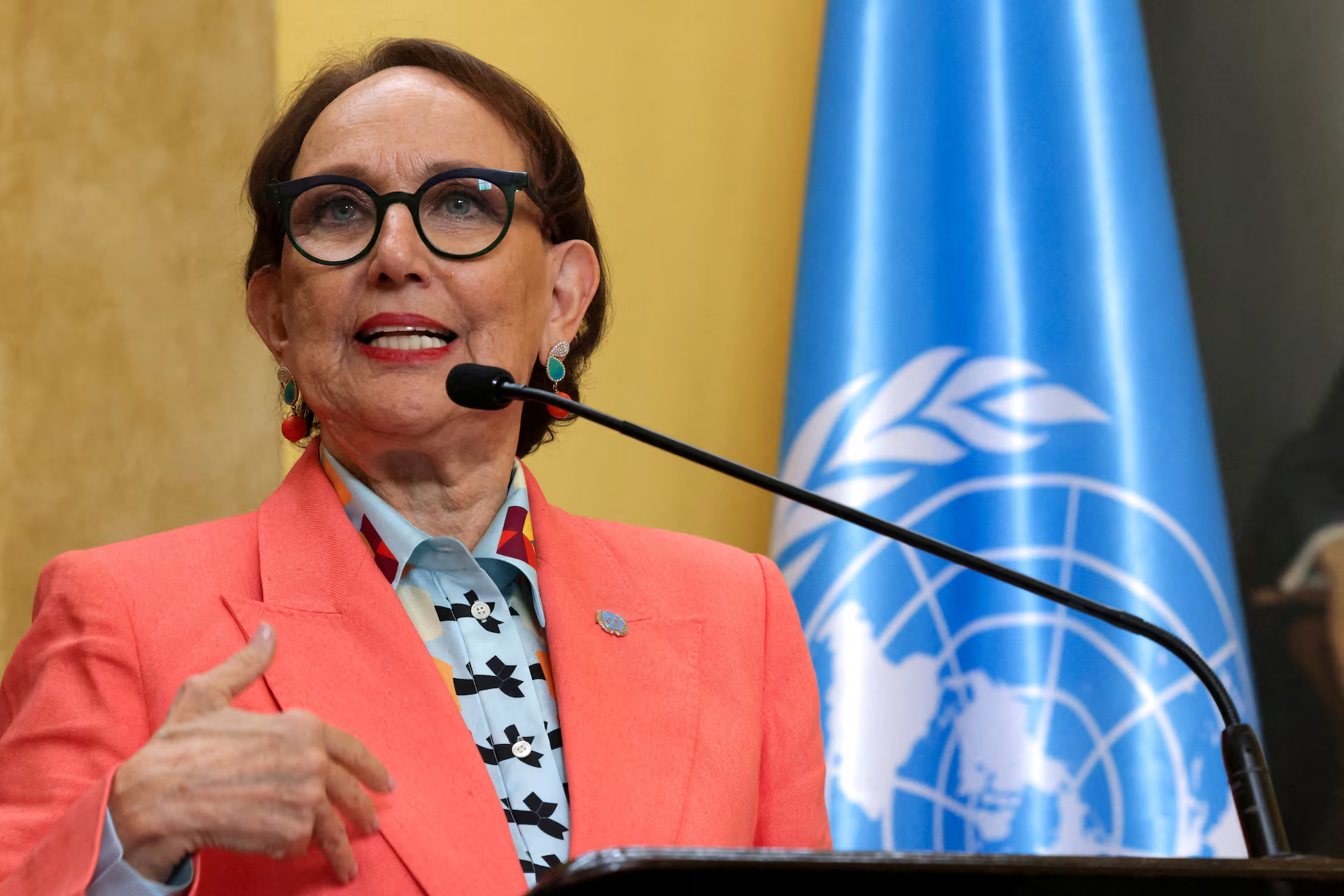
The Costa Rican candidate has momentum, but permanent member politics still control the path forward.
New York
Rebeca Grynspan has emerged as the candidate with the strongest support in the latest informal voting for the next secretary general of the United Nations. The Costa Rican economist and current head of UN Trade and Development received nine favorable votes in the third Security Council straw poll, placing her ahead of Guyana’s Carolyn Rodrigues Birkett and Argentina’s Rafael Grossi.
The result strengthens Grynspan’s position but does not guarantee her selection. To advance, a candidate must secure at least nine votes in the 15 member Security Council and avoid a veto from any of the five permanent members: the United States, China, Russia, France and the United Kingdom. That requirement means geopolitical alignment remains as important as the numerical vote count.
In the September 18 round, Grynspan received nine votes in favor, five against and one expression of no opinion. Rodrigues Birkett followed with eight favorable votes and six against, while Grossi obtained five favorable votes, eight against and two neutral responses. Those numbers confirmed that Grynspan had the broadest support at that stage, while also revealing significant resistance within the Council.
The competition has increasingly become entangled with relations among the permanent members. Washington has shown support for Grossi, while China and Russia have emphasized the case for electing a woman and for increasing representation from Latin America and the Caribbean. That regional and gender dimension has become particularly relevant because no woman has ever served as UN secretary general.
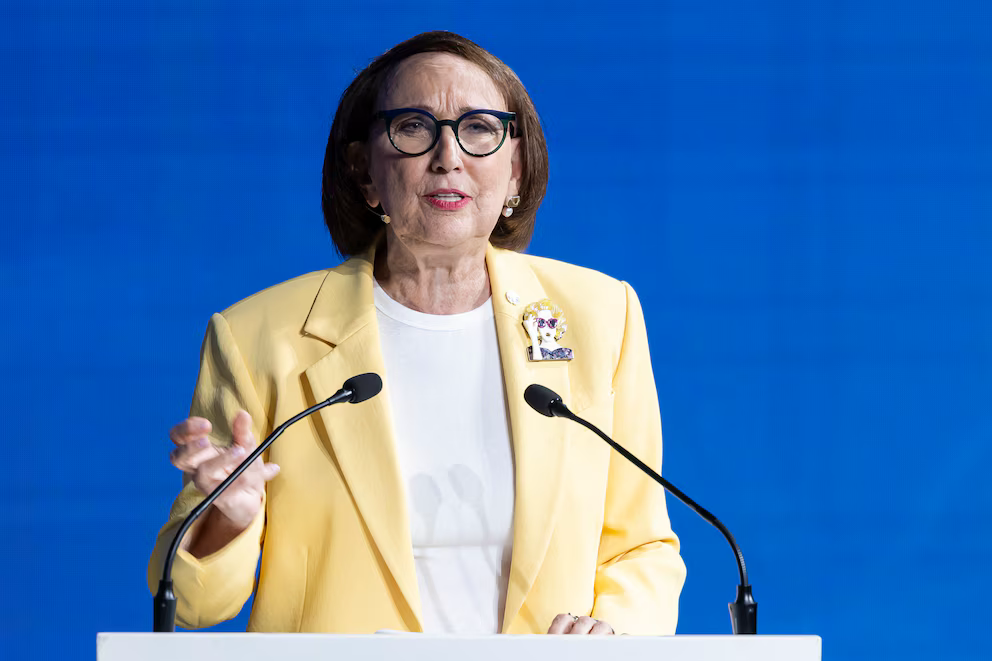
Grynspan’s candidacy combines multilateral experience, economic expertise and senior leadership within the UN system. She previously served as vice president of Costa Rica and has held senior positions within the United Nations Development Programme before becoming secretary general of UN Trade and Development.
The process, however, remains open. Informal straw polls are intended to test support and identify candidates likely to face resistance before the Security Council makes a formal recommendation to the General Assembly. A single veto from a permanent member can effectively end a candidacy, regardless of broader support.
The race is therefore entering its most political stage. Grynspan currently holds the strongest voting position, but the final decision will depend on whether that support can survive the strategic calculations of the five permanent members.
Geopolitics, unmasked.