

 Phoenix 24
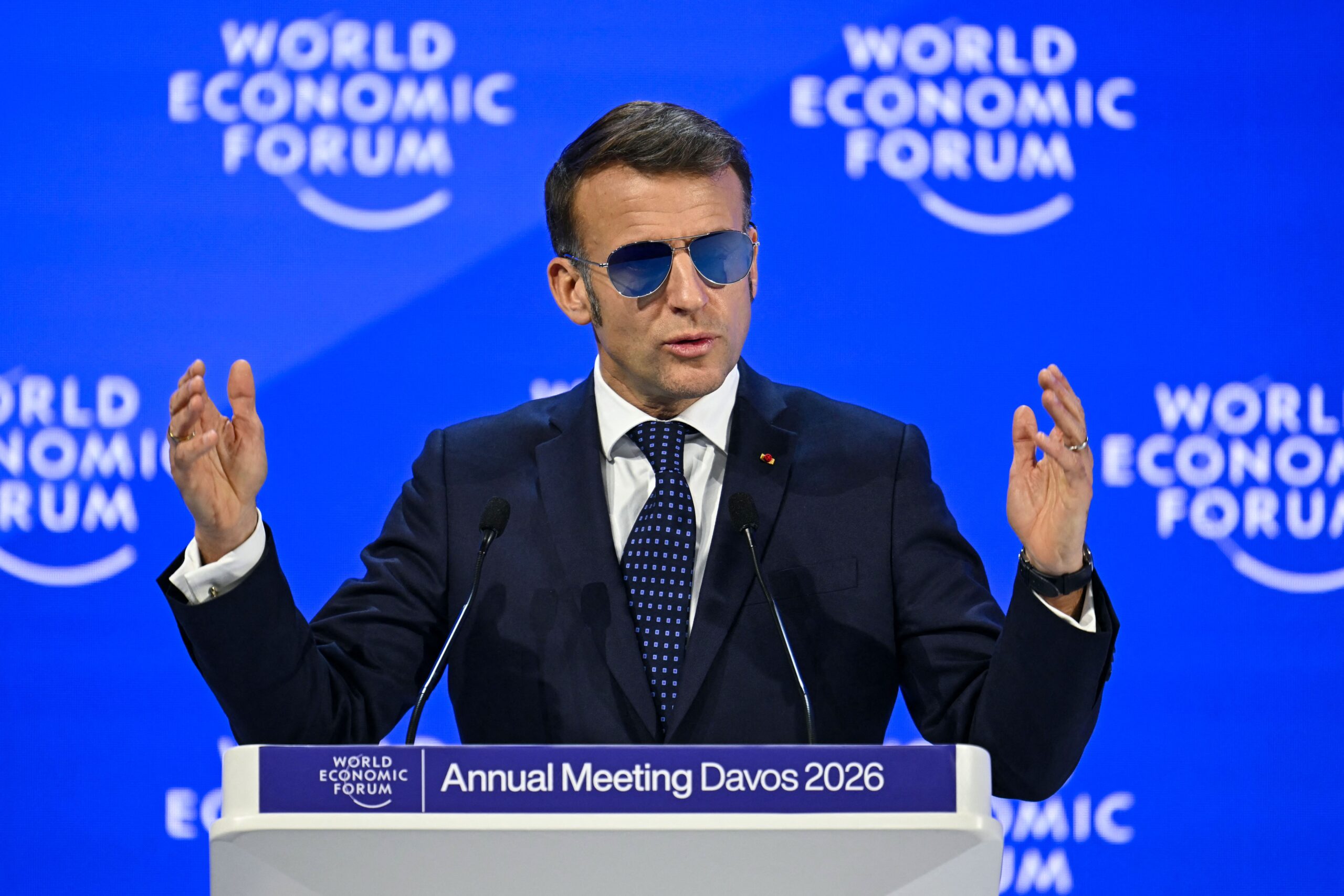
Symbolic optics trigger global political reading.
Davos, January 2026.
A pair of aviator-style glasses worn by the French president during a high-profile forum speech has become a global social phenomenon, transcending mere fashion commentary and prompting interpretations that range from cultural resonance to geopolitical signaling. What began as a casual accessory choice turned into a symbolic focal point in online discourse across multiple continents, illustrating how visual elements in political communication can acquire unintended layers of meaning in an era where imagery and narrative intertwine for international audiences.
The widespread attention to the glasses occurred shortly after the president delivered remarks that combined economic confidence with rhetoric about technological sovereignty and cross-border cooperation. In a setting historically reserved for heavyweight policy announcements, the optics of personal presentation collided with substantive content, generating a dual narrative that spread rapidly across digital platforms and traditional media outlets in Europe, North America, and Asia. Users in East Asian social networks linked the aesthetic to ideas of leadership poise, while commentators in North American outlets debated the strategic balance between style and substance in modern statesmanship.
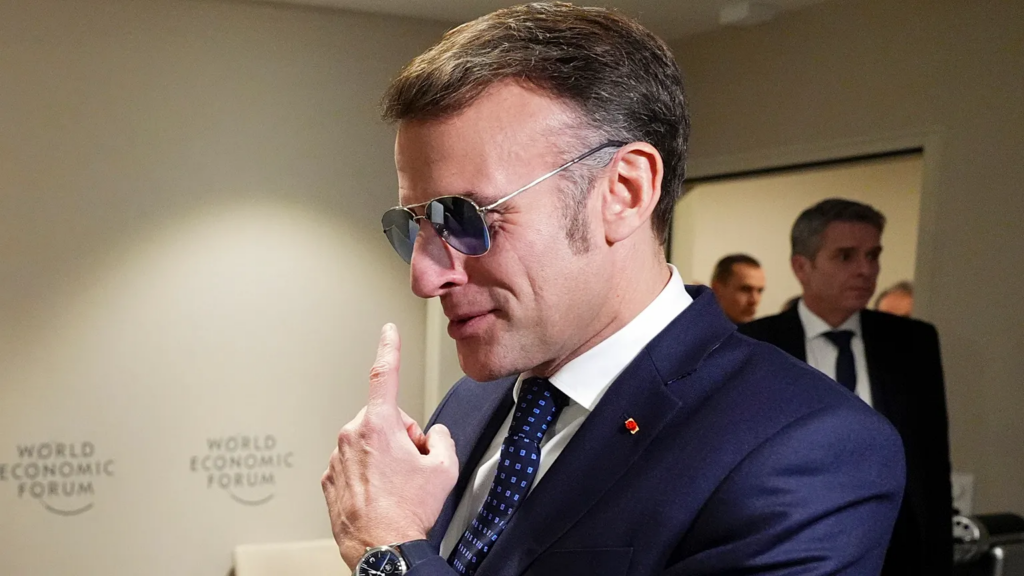
In Europe the phenomenon was interpreted through a cultural lens, with pundits noting that the choice of eyewear complemented a broader shift toward more assertive visual communication by several Western leaders. Some commentators argued that such details reflect an adaptive media strategy where political figures implicitly acknowledge that audiences today consume politics as both substance and spectacle. Others cautioned that an overemphasis on style risks overshadowing policy messages, especially when serious geopolitical issues are at stake.
Across the Mediterranean and in parts of the Middle East, observers noted that the viral attention to attire highlights differing cultural expectations regarding leadership presentation. In a region where political legitimacy is often intertwined with traditional symbolism and local modes of representation, the uptake of a seemingly trivial fashion element from a European leader sparked debate about regional perspectives on authority and persona. This cross-regional engagement underscores how global audiences reframe the same visual cue through distinct cultural filters.
Behind the social media chatter, communication analysts emphasize that the glasses episode reveals deeper dynamics in the politics of image management. In an age where leaders seek to project narratives of resilience, innovation, and adaptability, visual cues become another layer of semiotic engagement. The glasses functioned not simply as eyewear but as a catalyst for discussion about the intersection of leadership identity and public perception, a dynamic that communication strategists track closely in global capitals from Washington to Tokyo.
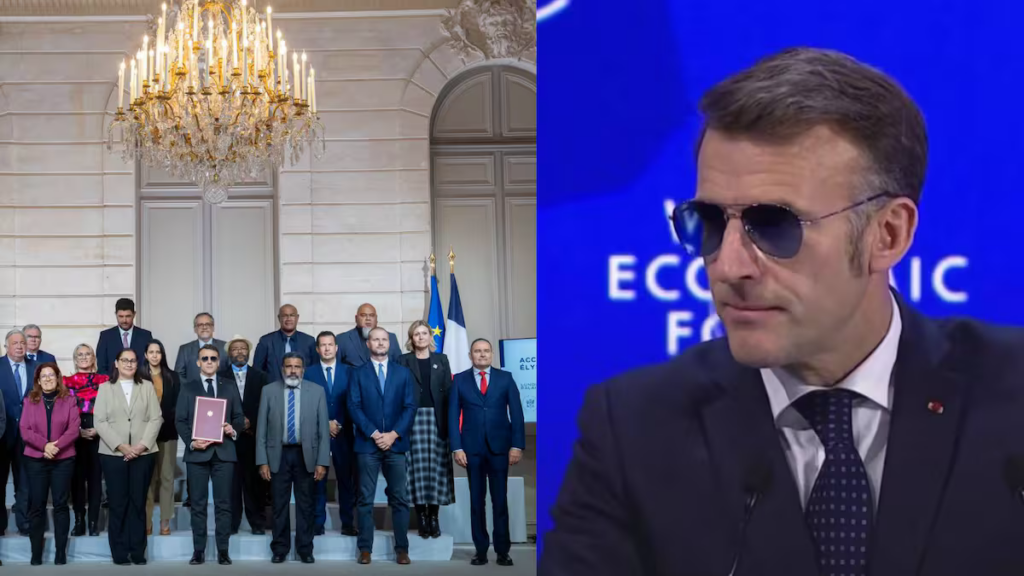
Despite the lighthearted tones in some commentary, the broader context cannot be separated from the substantive agenda that framed the speech itself. Economic realignment, questions of energy transition, and strategic alliances were central points of emphasis. For audiences in South America, where multifaceted political leadership styles have long incorporated symbolic elements, the conversation about eyewear quickly dovetailed with discussions about regional leadership identity, media framing, and the role of public image in diplomatic influence.
Some analysts caution against overinterpretation. They argue that what went viral may tell us more about the mechanics of contemporary digital culture than about any intentional messaging by the president. In this view, the phenomenon is best understood as an accidental amplification rather than a deliberate communicative maneuver. Nevertheless, once an image detaches from its original context and acquires global traction, it becomes part of a broader narrative ecology that actors cannot simply dismiss.
The episode also intersects with debates about authenticity and mediated politics. In parts of Africa, commentators juxtaposed the viral glasses with local leaders’ engagements, questioning whether political figures can maintain credibility while engaging in highly curated visual narratives. Such discussions point to a growing transnational conversation about the balance between personal branding and institutional substance in public office.
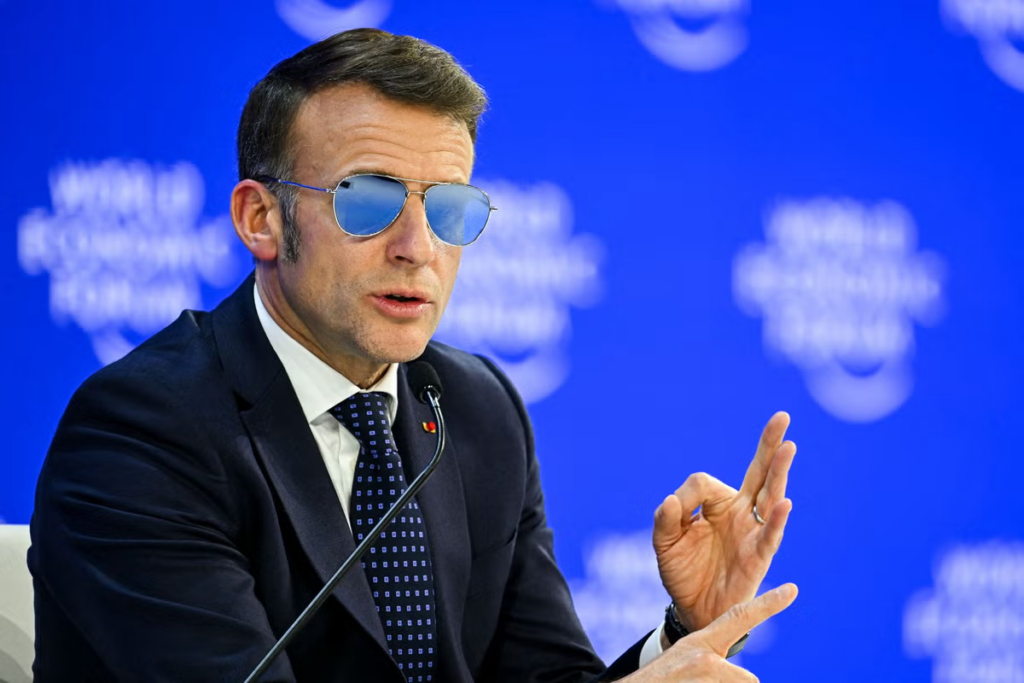
What is clear is that the viral attention did not diminish interest in the key policy messages delivered during the address. If anything, the dual focus on optics and agenda amplified public engagement, drawing readers, viewers, and social audiences to examine both form and content. For communication scholars who study political semiotics, the event offers a case study in how even minor visual details can become a prism through which larger narratives are refracted.
In the end, the story of the aviator glasses is not simply about style. It illustrates the evolving nature of political communication in a globally networked environment where images circulate with unprecedented speed and where audiences across regions simultaneously consume, reinterpret, and repurpose political cues. The phenomenon highlights how leaders operate within a media ecosystem that demands fluency in both substantive policy articulation and visual semiotic awareness.
As the discourse settles, the viral trend may fade, but its implications for mediated leadership will persist. It signals that in a world where perception and power are increasingly intertwined, seemingly incidental elements of presentation can become vectors of broader analytical reflection. Political imagery, once a peripheral concern, has solidified its place at the heart of how global publics engage with leadership and with the narratives that shape collective understanding.
La verdad es estructura, no ruido. / Truth is structure, not noise.