

 Phoenix 24
Judicial closure meets lingering national trauma.
Tokyo, January 2026.
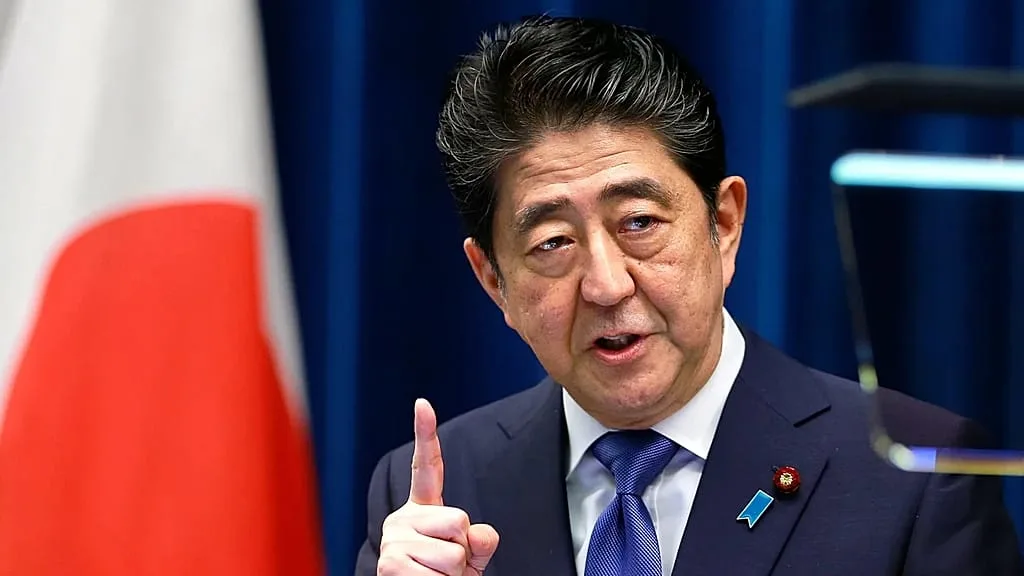
Japan’s criminal justice system delivered a life-long prison sentence to a 45-year-old man convicted of assassinating former Prime Minister Shinzō Abe in 2022, closing a chapter of violence that both shocked the nation and exposed deep socio-political fault lines. The Nara District Court concluded that the killing, carried out during a public campaign appearance with a homemade firearm, constituted an exceptional criminal act in a country where lethal violence remains extremely rare and firearm crimes are tightly controlled.
The sentencing brings formal closure to a trial that began late in 2025 and was marked by intense public scrutiny not only because of Abe’s prominence but also because of the motives articulated by the perpetrator. Prosecutors characterised the act as premeditated with profound social consequences, while the defence had sought leniency on the basis of personal hardship linked to the defendant’s family background. The court’s decision to impose life imprisonment reflects a determination to treat the assassination as a crime with enduring ramifications for democratic norms and public safety.

The attack on Abe, who served twice as premier and was Japan’s longest-serving leader in the postwar era, reverberated well beyond domestic politics. At the time of the shooting in 2022, global audiences were reminded that even advanced democracies can be shaken by singular acts of calculated violence, especially when they intersect with perceptions of political influence and institutional privilege. The national shock underscored how a society conditioned by strict regulatory regimes and low levels of violent crime processes threats that are both unexpected and symbolically laden.
Abe’s death prompted broader reflection on the networks of influence surrounding political elites, particularly regarding interactions between party figures and social organisations. That discourse persisted through the trial and influenced public conversation about accountability, social cohesion and the boundaries of legitimate political expression. The sentencing, while a legal endpoint, did not erase those dialogues; it repositioned them within Japan’s collective memory and its civic institutions’ capacity to resolve conflict through law rather than disorder.
International observers have noted that the case also tested global perceptions of Japanese stability. A figure of Abe’s stature was known for amplifying Japan’s strategic role on the world stage, building relationships across Asia, Europe and the United States. His absence reshaped political alignments and prompted both domestic and foreign actors to reassess Japan’s trajectory in areas such as regional security, economic policy and diplomatic engagement. The life sentence now affixed to his killer becomes part of that unfolding legacy, blending legal consequence with geopolitical narrative.
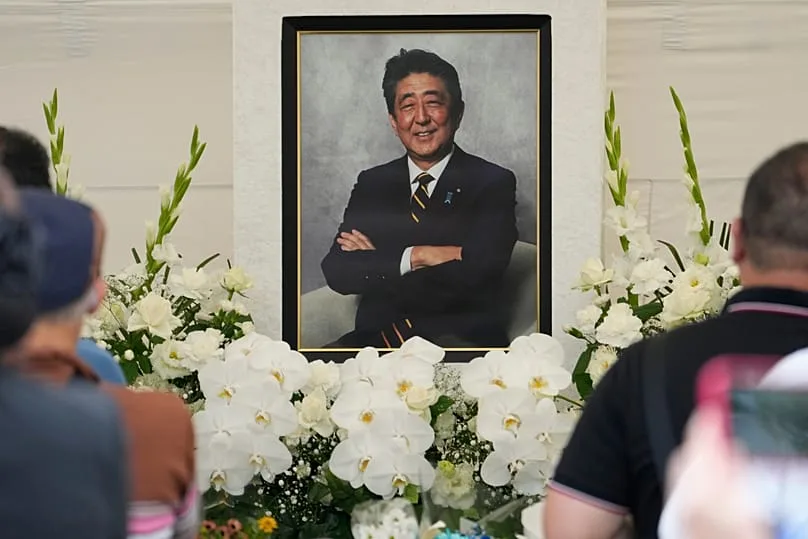
The judicial outcome further reinforces Japan’s commitment to rule of law even amid high-impact security incidents. By opting for life imprisonment over capital punishment, the court echoed longstanding legal traditions that reserve the harshest penalties for only the most extreme cases defined by multiple fatalities or demonstrable threat to public order. This choice reflects normative restraint embedded in the nation’s penal framework and its broader cultural disposition toward measured responses to violence.
Families of victims and segments of the public have expressed a range of reactions, from relief at the conclusion of formal procedures to contemplation of deeper societal questions about grievance, influence and the channels through which individuals navigate perceived injustices. The trial and its outcome have become reference points for ongoing discussions about how democracies manage the tension between individual agency and collective stability.
As Japan continues to process the political and emotional reverberations of Abe’s assassination and subsequent sentencing, the life term stands as both legal closure and enduring prompt for institutional self-examination. It marks an inflection in how high-profile violence is adjudicated and remembered, and it reinforces that, within rule-based societies, the judiciary remains pivotal in balancing accountability with societal continuity.
La verdad es estructura, no ruido. / Truth is structure, not noise