

 Phoenix 24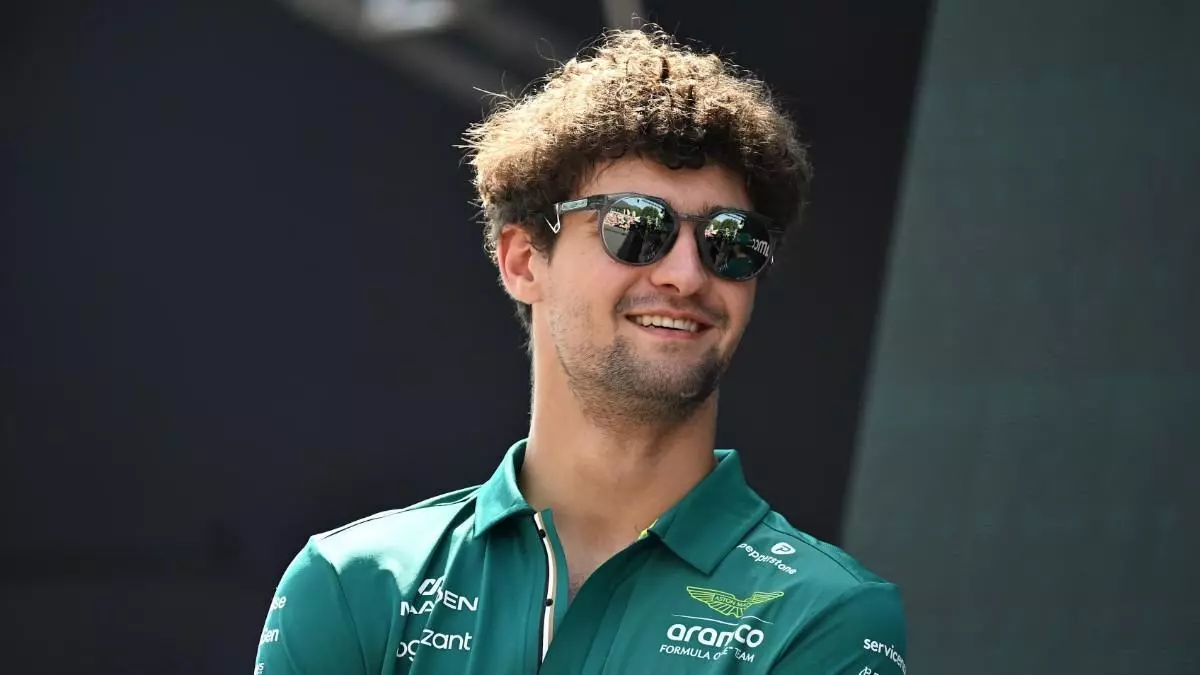
A demanding circuit becomes another audition for Formula One.
Spa-Francorchamps | July 2026
Jak Crawford will return to the cockpit of Aston Martin’s Formula One car during the opening practice session of the Belgian Grand Prix. The American reserve driver will take Fernando Alonso’s place in the AMR26 before the two-time world champion resumes his normal duties from the second practice session.
The appearance forms part of Formula One’s mandatory young-driver program. Teams must assign practice sessions to drivers with limited Grand Prix experience, allowing emerging talent to operate contemporary machinery while engineers collect additional technical information. These outings also help teams evaluate potential future drivers under the pressures of an official race weekend.
Crawford previously drove Aston Martin’s 2026 car during practice in Austria, where he temporarily replaced Lance Stroll. His return at Spa-Francorchamps will place him inside a far more demanding environment, combining high speeds, abrupt elevation changes and unpredictable weather.
The Belgian circuit is one of Formula One’s most technically complex venues. Drivers must maintain confidence through fast corners such as Eau Rouge, Raidillon, Pouhon and Blanchimont while managing aerodynamic balance across long straights. Small errors can carry serious consequences because many sections are approached at exceptionally high speed.
For a reserve driver, the objective is not simply to produce an impressive lap time. Crawford must follow Aston Martin’s planned testing program, provide precise feedback and avoid damaging a car required for the remainder of the weekend. His performance will be evaluated through consistency, technical communication and the quality of data delivered to the engineering team.
The opening session may include aerodynamic measurements, tire comparisons, energy-management tests and adjustments to the car’s mechanical balance. Crawford will need to execute these tasks while rapidly adapting to circuit conditions and traffic. Practice sessions often provide limited uninterrupted running, especially when teams are testing several components simultaneously.
His work will be especially important because Fernando Alonso will miss the first opportunity to experience the Belgian track in the AMR26. Engineers must therefore ensure that Crawford’s observations can be translated into a useful starting configuration for the Spanish driver. The handover between reserve and race driver becomes part of the team’s operational challenge.
Alonso is expected to return for the second practice session and complete the preparations required for qualifying and the race. Losing one hour of track time can be significant, but teams strategically select sessions where the benefits of testing a developing driver outweigh the temporary disadvantage for the regular competitor.
Crawford entered Aston Martin’s driver development structure after previously belonging to Red Bull’s junior program. His progression through Formula 3 and Formula 2 established him as one of the most experienced young American drivers seeking a permanent Formula One opportunity. He finished runner-up in the 2025 Formula 2 championship before becoming Aston Martin’s reserve driver for 2026.
That position requires more than appearing at race circuits. Reserve drivers contribute through simulator work, technical meetings, factory development and preparation for the possibility of replacing a regular competitor with little warning. Their value depends partly on understanding the car’s systems well enough to transition from virtual development to track operation.
Every official practice appearance therefore carries strategic significance for Crawford. Formula One seats remain extremely limited, and teams increasingly assess candidates over extended development programs rather than isolated performances. A disciplined session can strengthen confidence even without producing a headline lap time.
The Belgian opportunity also arrives during an important phase for Aston Martin. The team is attempting to improve the competitiveness of its 2026 package while adapting to a new technical era involving revised aerodynamics, greater electrical power and its partnership with Honda. Track data remains essential as engineers compare simulation results with the car’s actual behavior.
Spa-Francorchamps can expose weaknesses that are less visible elsewhere. Cars require sufficient aerodynamic efficiency for the long full-throttle sections while retaining enough downforce for the middle sector. Excessive drag damages straight-line performance, but insufficient stability can make the high-speed corners difficult to control.
Weather represents another variable. Conditions can change rapidly across the circuit, with rain affecting one section while another remains dry. A young driver may therefore encounter a session in which learning the car becomes inseparable from interpreting an evolving track.
Crawford’s first responsibility will be to protect the team’s program rather than chase personal recognition. A crash or technical error could reduce Alonso’s running and force mechanics into urgent repairs. Conversely, clean execution and detailed feedback could make the session valuable even if the final classification appears modest.
Comparisons with Alonso must also be treated carefully. Practice results depend on fuel loads, tire compounds, engine settings and specific testing assignments. A reserve driver can finish behind the established competitors while still completing precisely the work requested by the team.
The session nevertheless offers Crawford another opportunity to demonstrate that he can manage Formula One’s operational complexity. Driving speed is only one requirement at this level. Teams also demand technical literacy, emotional control, adaptability and the ability to communicate accurately while operating under intense physical pressure.
For Aston Martin, the appearance supports both regulatory compliance and long-term succession planning. Alonso and Stroll remain the team’s regular drivers, but maintaining a prepared reserve is essential throughout a demanding season. Developing Crawford also gives the organization an internal option as it evaluates its future driver structure.
Spa will not determine his Formula One career in a single hour. It will add another body of evidence to the team’s assessment of his readiness. Each successful session reduces the distance between being a promising junior and becoming a credible candidate for a permanent Grand Prix seat.
Crawford will return the AMR26 to Alonso after the opening practice, but the opportunity carries consequences beyond the Belgian weekend. At one of motorsport’s most unforgiving circuits, he must show that he can combine speed with discipline and transform limited track time into information the team can trust.
La velocidad abre puertas, la precisión las mantiene. / Speed opens doors, precision keeps them open.