

 Phoenix 24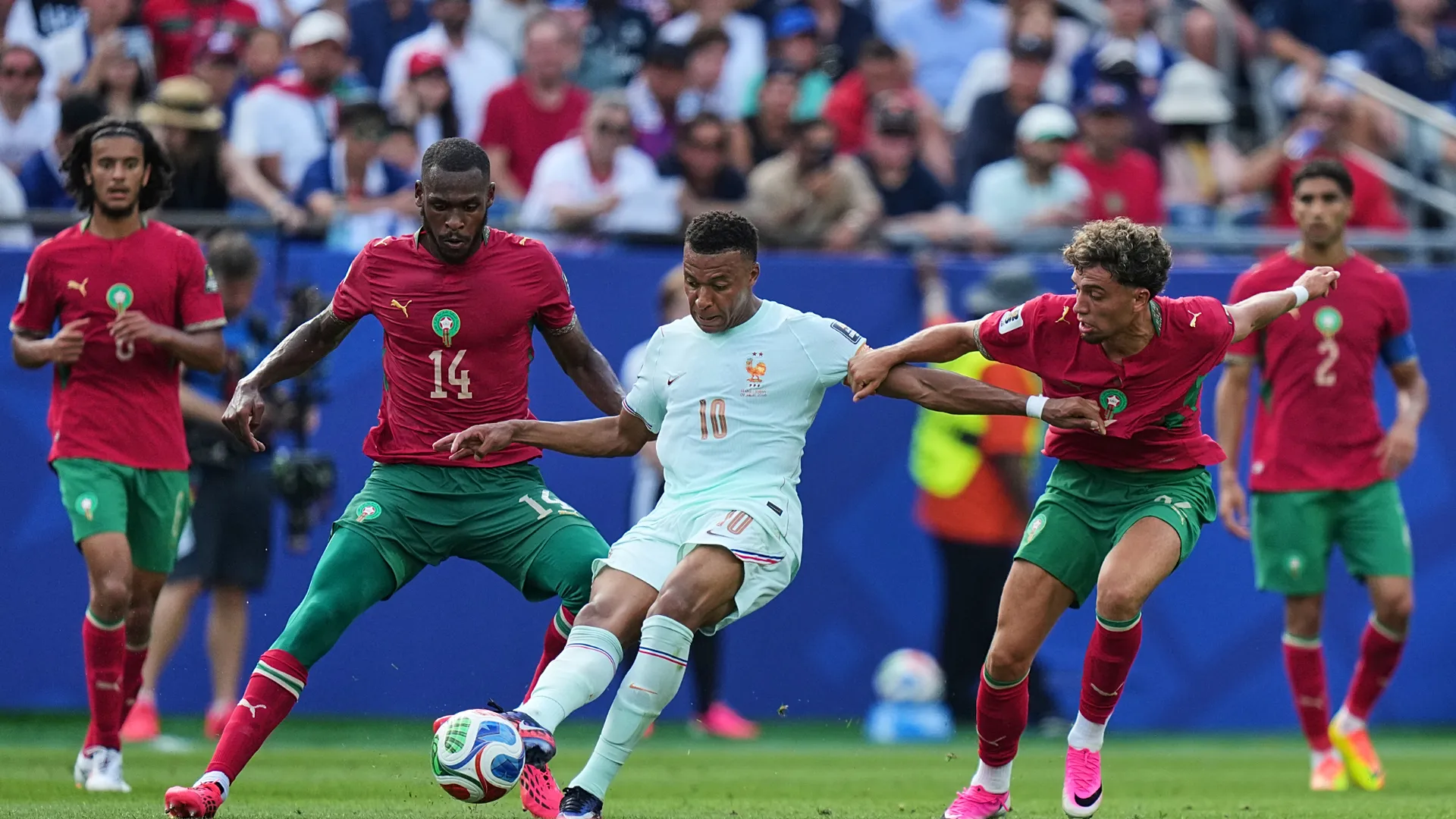
Stadiums are becoming instruments of national influence.
Rabat | July 2026
Morocco is using football to strengthen its international influence as it prepares to co-host the 2030 FIFA World Cup with Spain and Portugal. The strategy reaches far beyond sporting competition, combining infrastructure, tourism, diplomacy and national branding. Rabat increasingly treats major tournaments as platforms through which the country can present itself as a stable bridge between Africa, Europe and the Arab world.
The transformation became globally visible during the 2022 World Cup, when Morocco became the first African and Arab nation to reach the semifinals. That achievement changed international perceptions of Moroccan football and demonstrated that an African team could compete consistently against the sport’s traditional powers. It also gave the country a form of visibility that conventional diplomatic campaigns would have struggled to reproduce.
Sporting success has since become part of a broader national narrative. Morocco presents itself as ambitious, modern and capable of organizing complex international events. Football offers a shared emotional language through which the country can communicate with foreign audiences without depending exclusively on political speeches or traditional foreign policy.
This is the essence of soft power. A country increases its influence not only through military capacity or economic pressure, but also through culture, reputation and attraction. Morocco’s football development allows it to generate admiration while expanding relationships with international federations, investors, governments and sporting institutions.
The 2030 World Cup will become the largest test of that strategy. Hosting matches alongside Spain and Portugal places Morocco inside a transcontinental tournament connecting Europe and Africa. The arrangement reinforces its geographical identity as a gateway between two regions while giving the country a central role in one of the world’s most watched events.
Preparing for the tournament requires extensive investment in stadiums, training centers and sporting technology. Morocco has developed modern facilities while expanding local playing fields intended to increase youth access to sport. The objective is not limited to producing elite footballers, but includes social participation, talent identification and community development.
The infrastructure program extends beyond the stadium gates. Roads, rail networks, airports, urban transportation and digital systems must be prepared to manage millions of visitors. Hotel capacity, restaurants, entertainment districts and tourism services will also need to expand before the tournament begins.
These investments can generate employment and stimulate regional economies, but their long-term value will depend on what remains after the final match. Stadiums that become expensive and underused would weaken the development argument. Infrastructure integrated into transportation, tourism and community life could continue producing economic benefits for decades.
Morocco has attempted to distribute sporting investment across several regions rather than concentrating every major project in one city. Its territorial development approach seeks to create regional centers capable of hosting competitions and attracting private investment. The strategy also aims to reduce disparities in access to sporting and public infrastructure.
Football has become closely linked to tourism promotion. International competitions expose viewers to Moroccan cities, landscapes, architecture and cultural traditions. Supporters who travel for matches may later return as tourists, while televised images can influence audiences who have never previously considered visiting the country.
The sport also strengthens Morocco’s commercial positioning. Major events attract sponsors, construction companies, hospitality groups and technology providers. Domestic businesses can gain access to global networks, while foreign investors receive a highly visible demonstration of the country’s logistical and organizational capabilities.
Diplomatically, successful tournament hosting can expand Morocco’s influence within Africa. The country has invested in football partnerships, training programs and institutional cooperation across the continent. These relationships support a wider effort to present Rabat as an African development partner with technical resources and international connections.
The strategy also reinforces Morocco’s relations with Europe. Co-hosting the World Cup requires sustained coordination with Spain and Portugal on transportation, security, tourism and event management. That cooperation can deepen practical ties even when political disagreements emerge in other areas.
Morocco benefits from several structural advantages. Its proximity to Europe facilitates travel, while its Atlantic and Mediterranean connections support trade and tourism. A young population, established hospitality industry and relative political stability strengthen its capacity to attract visitors and organize large international gatherings.
Yet soft power cannot depend entirely on spectacle. International attention generated by football may also increase scrutiny of social inequality, labor conditions, public spending and political rights. The same tournament that displays modern infrastructure can invite questions about whether national development is benefiting citizens beyond the most visible urban centers.
The financial scale of World Cup preparation creates another challenge. Governments must balance sporting ambition with investment in education, healthcare, housing and public services. Public support may weaken when communities believe prestigious projects are receiving resources that should address more immediate needs.
Morocco must therefore demonstrate that the tournament is a development project rather than an isolated celebration. Transport networks should serve residents after 2030, hotels should strengthen local employment and sporting facilities should remain accessible to young people. The legitimacy of the investment will depend on whether ordinary citizens experience lasting improvements.
The country’s football strategy reflects a long-term political vision associated with King Mohammed VI. Sport has been integrated into economic planning, youth development and international projection. This continuity has allowed Morocco to accumulate capabilities over several years rather than relying on last-minute construction before a single tournament.
The results have already changed the country’s position within international football. Morocco is no longer viewed only as a competitive regional team or an occasional tournament host. It increasingly appears as an institutional actor capable of influencing the direction of African football and participating in the governance of major global events.
The 2030 World Cup will provide Morocco with a stage far larger than any traditional diplomatic summit. Billions of viewers will encounter its cities, symbols and national story through football. Whether that attention becomes enduring influence will depend on organization, credibility and the ability to connect sporting prestige with inclusive development.
Morocco is building more than stadiums as 2030 approaches. It is constructing a narrative of modernity, regional leadership and transcontinental relevance. Football supplies the emotion, but the strategic objective is power generated through attraction rather than force.
Información que anticipa futuros. / Information that anticipates futures.