

 Phoenix 24
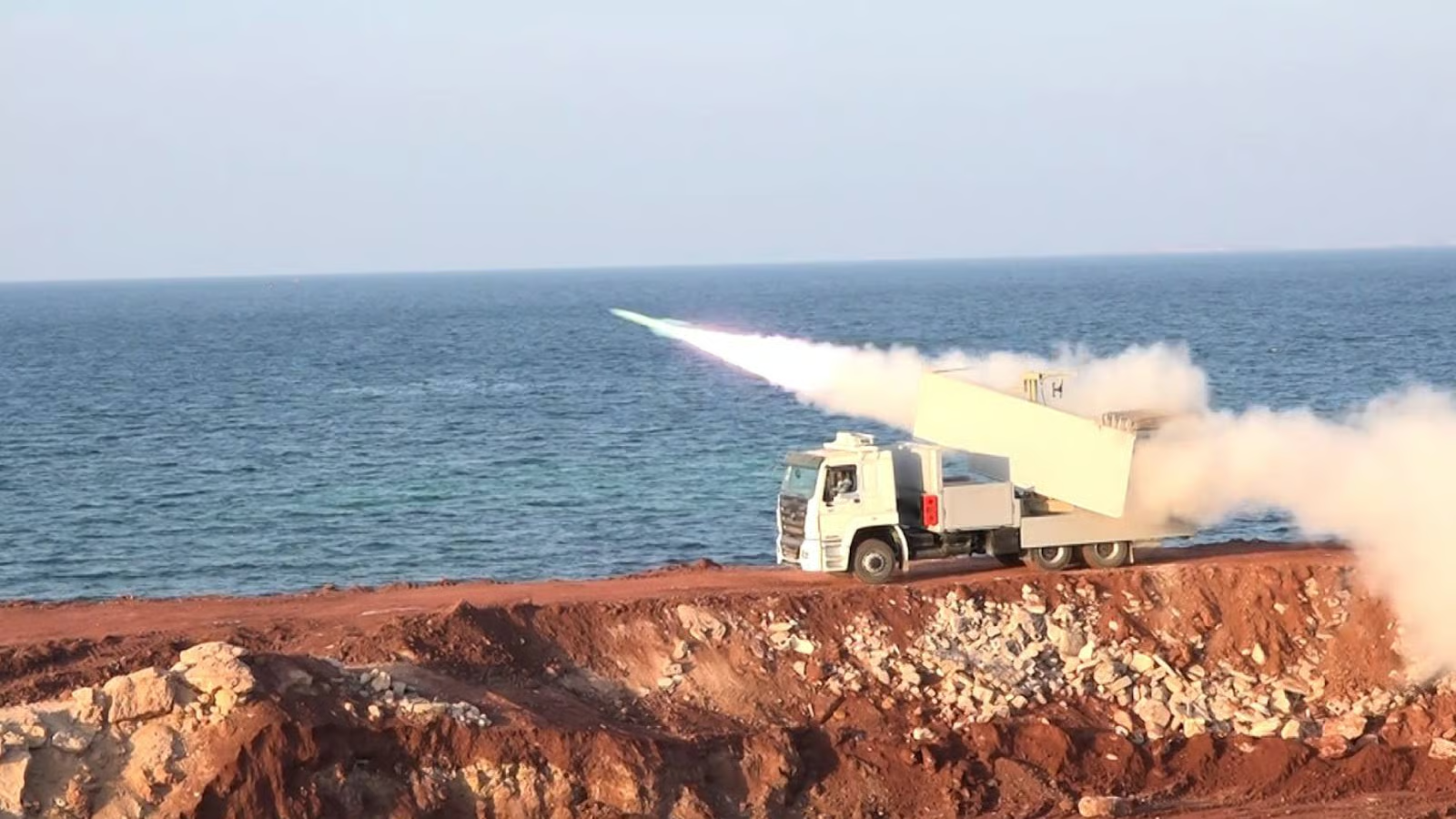
Negotiation now moves under maritime coercion.
Tehran, April 2026
Iran’s Revolutionary Guard has made clear that any negotiation over the Strait of Hormuz will unfold on Tehran’s terms, not under the assumptions of open navigation long defended by global energy markets and Western naval doctrine. By insisting that the strait will not be reopened to enemies even as diplomatic messaging intensifies, the Guards are doing more than issuing another threat. They are redefining the negotiation itself. The waterway is no longer being treated as a neutral corridor whose normal function should be restored after crisis. It is being used as a strategic bargaining instrument, one meant to convert geography into leverage before any ceasefire architecture can stabilize.
That matters because Hormuz is not simply a military chokepoint. It is one of the central pressure valves of the global energy system, where regional conflict can rapidly become worldwide economic anxiety. When the Revolutionary Guard frames access in explicitly political and civilizational terms, the signal is unmistakable. Tehran is not approaching the strait as a technical issue of deescalation. It is approaching it as a sovereign weapon, one that can be opened selectively, delayed deliberately, and folded into a wider argument about who has the right to move through the Gulf under wartime conditions.
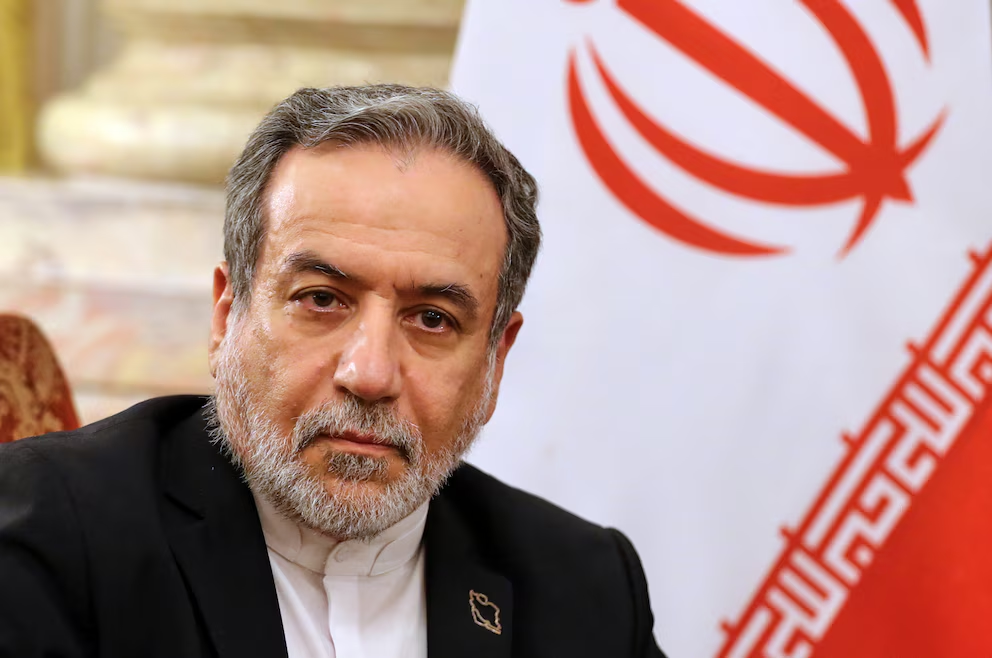
This posture also exposes the internal hierarchy of Iranian power. Whatever diplomatic language may emerge from formal state channels, the Revolutionary Guard continues to behave as the real guardian of escalation thresholds. That has always been part of the Islamic Republic’s structure, but the current crisis sharpens it. The Guards are not merely backing diplomacy from the sidelines. They are defining its outer limits in advance. Any foreign government listening to Iranian signals now has to distinguish between the language of negotiation and the language of control, and in Iran those are not always spoken by the same actor with equal authority.
The timing is especially important. Trump has tried to revive the idea that the war could move toward some form of containment, even while demanding that Hormuz be made open, free, and secure before any meaningful ceasefire can be entertained. Iran has answered not with accommodation, but with conditional defiance. The message from Tehran is that reopening the strait cannot be imposed from outside or treated as a precondition set unilaterally by Washington. In strategic terms, that means both sides are still speaking in the vocabulary of negotiation while preserving the mechanics of coercion.
This is why the current diplomatic moment remains far more fragile than market optimism or public signaling may suggest. A ceasefire usually depends on reducing the number of active instruments through which one side can threaten the other. Here, one of the most consequential instruments is being openly preserved. As long as the Revolutionary Guard insists that Hormuz remains unavailable to hostile actors, diplomacy is forced to operate inside a battlefield logic rather than above it. That does not make talks impossible. It makes them structurally unstable from the outset.

There is also a broader regional consequence. Gulf states, European governments, and Asian energy importers are all watching the same lesson unfold in real time: the Strait of Hormuz is no longer only a trade route exposed to war. It is becoming the centerpiece of a new politics of selective access. That distinction matters because it pushes the crisis beyond temporary disruption. If passage through the strait is politically filtered according to alignment, then the old principle of shared navigational interest begins to give way to something harsher, more transactional, and more openly securitized.
The Revolutionary Guard understands the psychological value of that shift. Even before a final military balance is determined, Tehran can still demonstrate that it retains the power to alter the economic mood of the world. It can force foreign capitals to reckon with inflation risk, insurance shocks, shipping paralysis, and the reputational cost of strategic dependence on a corridor they do not control. In that sense, the Guards are not simply blocking an enemy. They are widening the circle of pressure until neutral and allied states alike begin to feel the burden of unresolved confrontation.
What emerges is a clearer picture of the conflict’s next phase. The struggle is no longer only about military retaliation, proxy exchanges, or the search for an exit formula. It is about whether core infrastructures of the international system can be turned into political filters without triggering a larger realignment of power. Iran is betting that Hormuz gives it that option. The Guards are saying, in effect, that geography itself remains one of the few strategic languages the Islamic Republic can still speak with undeniable force. And until that language is answered convincingly, diplomacy will keep arriving under armed conditions.
Phoenix24: clarity in the grey zone. / Phoenix24: claridad en la zona gris.